รูปแบบการพัฒนาภาวะผู้นำทางหลักสูตรของผู้บริหารสถานศึกษา สังกัดสำนักงานเขตพื้นที่การศึกษาประถมศึกษาขอนแก่น เขต 1
Article Sidebar
Main Article Content
บทคัดย่อ
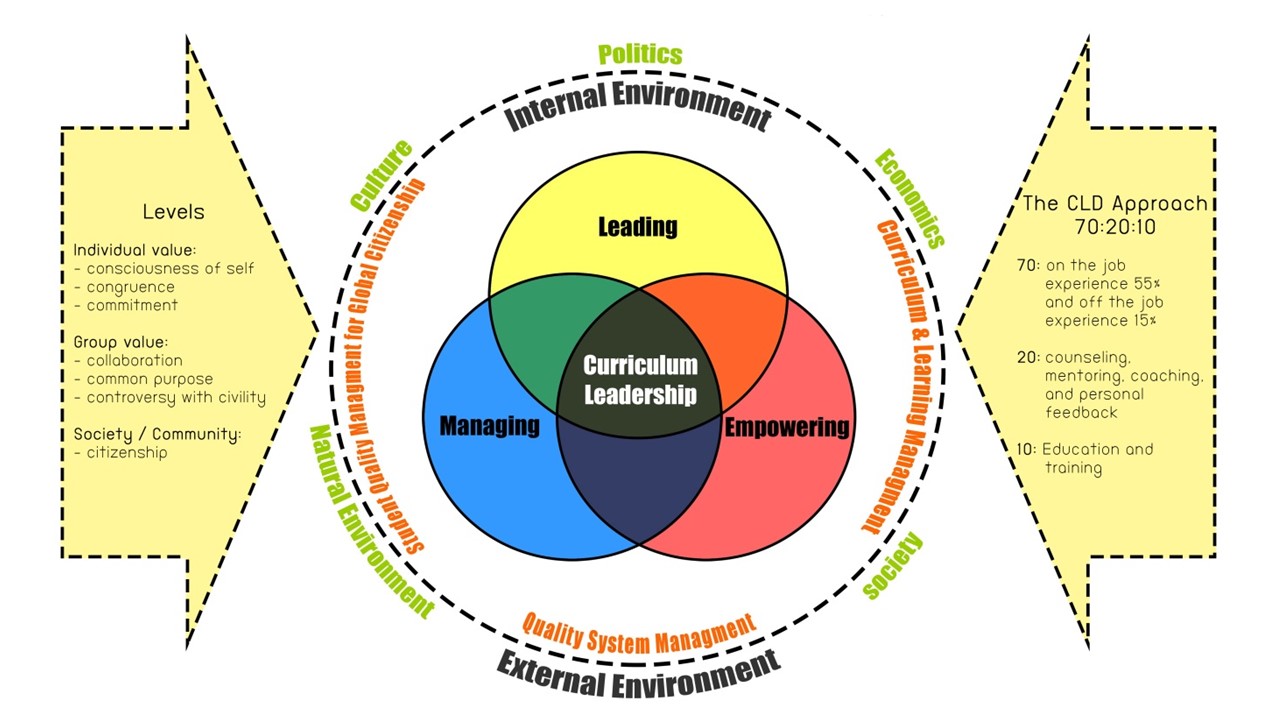
การวิจัยครั้งนี้มีวัตถุประสงค์เพื่อ (1) ศึกษาพฤติกรรมภาวะผู้นำทางหลักสูตรของผู้บริหารสถานศึกษา สังกัดสำนักงานเขตพื้นที่การศึกษาประถมศึกษาขอนแก่น เขต 1 (2) วิเคราะห์องค์ประกอบภาวะผู้นำทางหลักสูตรของผู้บริหารสถานศึกษา สังกัดสำนักงานเขตพื้นที่การศึกษาประถมศึกษาขอนแก่น เขต 1 และ(3) สร้างและประเมินรูปแบบการพัฒนาภาวะผู้นำทางหลักสูตรของผู้บริหารสถานศึกษา สังกัดสำนักงานเขตพื้นที่การศึกษาประถมศึกษาขอนแก่น เขต 1 เป็นการวิจัยแบบผสมผสานวิธีแบบแผนเชิงอธิบายตามลำดับ กลุ่มตัวอย่าง ได้แก่ ผู้บริหารสถานศึกษาและครูในโรงเรียนสังกัดสำนักงานเขตพื้นที่การศึกษาประถมศึกษาขอนแก่น เขต 1 จำนวน 260 คน กำหนดกลุ่มตัวอย่างตามสัดส่วนต่อพารามิเตอร์โดยการสุ่มแบบแบ่งชั้น เครื่องมือที่ใช้ในการเก็บข้อมูล คือ แบบสอบถามมาตรประมาณค่า 5 ระดับ มีค่า IOC ตั้งแต่ 0.60-1.00 มีค่าความเชื่อมั่นเท่ากับ 0.985 วิเคราะห์ข้อมูลโดยใช้สถิติพรรณา และสถิติอ้างอิงโดยโปรแกรม LISREL และประเมินความเหมาะสม ความเป็นไปได้ และความเป็นประโยชน์โดยผู้ทรงคุณวุฒิ ผลการวิจัย พบว่า (1) พฤติกรรมภาวะผู้นำทางหลักสูตรของผู้บริหารสถานศึกษาโดยภาพรวมและรายด้านอยู่ในระดับปานกลาง (2) องค์ประกอบภาวะผู้นำทางหลักสูตรมีความสอดคล้องกับข้อมูลเชิงประจักษ์โดยมีค่าไค-สแควร์ (c2) เท่ากับ 3.98 ค่าองศาอิสระ (df) เท่ากับ 5 ค่านัยสำคัญทางสถิติ (P-value) เท่ากับ 0.06 ค่าดัชนีวัดระดับความสอดคล้อง (GFI) เท่ากับ 1.00 ค่าดัชนีวัดระดับความสอดคล้องที่ปรับแก้แล้ว (AGFI) เท่ากับ 0.98 และค่าความคลาดเคลื่อนในการประมาณค่าพารามิเตอร์ (RMSEA) เท่ากับ 0.00 และ(3) รูปแบบการพัฒนาภาวะผู้นำทางหลักสูตร (The CLD Model) ประกอบด้วย 3 มิติ และ3 กลไกในการพัฒนา โดยมีผลการประเมินความเหมาะสม ความเป็นไปได้ และความเป็นประโยชน์ อยู่ในระดับมาก
Article Details

อนุญาตภายใต้เงื่อนไข Creative Commons Attribution-NonCommercial-NoDerivatives 4.0 International License.
เนื้อหาและข้อมูลในบทความที่ลงตีพิมพ์ในวารสารศูนย์ดัชนีการอ้างอิงวารสารไทย ถือเป็นข้อคิดเห็นและความรับผิดชอบของผู้เขียนบทความโดยตรงซึ่งกองบรรณาธิการวารสาร ไม่จำเป็นต้องเห็นด้วย หรือร่วมรับผิดชอบใด ๆ
บทความ ข้อมูล เนื้อหา รูปภาพ ฯลฯ ที่ได้รับการตีพิมพ์ในวารสารศูนย์ดัชนีการอ้างอิงวารสารไทย ถือเป็นลิขสิทธิ์ของวารสารศูนย์ดัชนีการอ้างอิงวารสารไทย หากบุคคลหรือหน่วยงานใดต้องการนำทั้งหมดหรือส่วนหนึ่งส่วนใดไปเผยแพร่ต่อหรือเพื่อกระทำการใด จะต้องได้รับอนุญาตเป็นลายลักอักษรจากวารสารศูนย์ดัชนีการอ้างอิงวารสารไทยก่อนเท่านั้น
เอกสารอ้างอิง
ปวีณา บุทธิจักร์, วัฒนา สุวรรณไตรย์, และจินดา ลาโพธิ์. (2564). ภาวะผู้นำทางวิชาการของผู้บริหารสถานศึกษาที่ส่งผลต่อประสิทธิผลการบริหารงานวิชาการ ของโรงเรียนสังกัดสำนักงานเขตพื้นที่การศึกษามัธยมศึกษา เขต 21. วารสารการบริหารการศึกษาและภาวะผู้นำ มหาวิทยาลัยราชภัฎสกลนคร, 10(37), 210-220.
พิมล ป้องเรือ และสุธิดา หอวัฒนกุล. (2565). โมเดลการพัฒนาคุณลักษณะผู้นำทางวิชาการในการบริหารสถานศึกษา ต้นศตวรรษที่ 21 สำนักงานเขตพื้นที่การศึกษาประถมศึกษา ภาคตะวันออกเฉียงเหนือ. วารสารวิชาการมหาวิทยาลัยนอร์ทกรุงเทพ, 11(1), 123-134.
ศาลินา บุญเกื้อ. (2554). การวิเคราะห์ภาวะผู้นำในการบริหารงานวิชาการของผู้บริหารโรงเรียนต้นแบบการใช้หลักสูตรแกนกลาง การศึกษาขั้นพื้นฐาน พุทธศักราช 2551. วิทยานิพนธ์หลักสูตรปริญญาครุศาสตรดุษฎีบัณฑิต สาขาวิชาบริหารการศึกษา จุฬาลงกรณ์มหาวิทยาลัย.
สถาบันส่งเสริมการสอนวิทยาศาสตร์และเทคโนโลยี. (2561). คู่มือการใชัหลักสูตรรายวิชาพื้นฐานวิทยาศาสตร์ กลุ่มสาระเรียนรู้วิทยาศาสตร์ (ฉบับปรับปรุง พ.ศ. 2560) ตามหลักสูตรแกนกลางการศึกษาขั้นพื้นฐาน พุทธศักราช 2551 ระดับมัธยมต้น. https://www.scimath.org/ebook-science/item/8923-2018-10-01-01-59-16
สัมฤทธิ์ กางเพ็ง และสรายุทธ กันหลง. (2560). การวิจัยแบบผสมวิธี : กระบวนทัศน์การวิจัยในศตวรรษที่ 21. (พิมพ์ครั้งที่ 3). มหาสารคาม : อภิชาติการพิมพ์.
สัมฤทธิ์ กางเพ็ง, สรายุทธ กันหลง, และสุรชัย อนุตระกูลชัย. (2561). โมเดลพัฒนาภาวะผู้นำทางหลักสูตรในศตวรรษที่ 21 สำหรับผู้บริหารสถานศึกษาสังกัดสำนักงานคณะกรรมการการศึกษาขั้นพื้นฐาน. วารสารนานาชาติ มหาวิทยาลัยขอนแก่น สาขามนุษยศาสตร์และสังคมศาสตร์, 8(2), 54-72.
สำนักงานเขตพื้นที่การศึกษาประถมศึกษาขอนแก่น เขต 1. (2566). แผนปฏิบัติการประจำปีงบประมาณ 2566 สำนักงานเขตพื้นที่การศึกษาประถมศึกษาขอนแก่น เขต 1. ขอนแก่น: กลุ่มนโยบายและแผน.
อัษฎาวุธ บุญเกิด, ทรงเดช สอนใจ, และวสันต์ชัย กากแก้ว. (2565). แนวทางการพัฒนาภาวะผู้นำทางวิชาการในศตวรรษที่ 21 ของผู้บริหารสถานศึกษา สังกัดสำนักงานเขตพื้นที่การศึกษาประถมศึกษาสุรินทร์ เขต 3. วารสาร มจร อุบลปริทรรศน์, 7(3), 755-766.
Bradley, L.H. (2004). Curriculum Leadership: Beyond Boilerplate Standards. Lanham, ML: Scarecrow Education.
Brubaker, D.L. (2004). Creative Curriculum Leadership: Inspiring and Empowering Your School Community. 2nd ed. Thousand Oaks, CA: Corwin Press.
Campbell, S. &Samiec, E. (2005). 5-D Leadership: Key Dimensions for Leading in the Real World. Mountain View, California: Davies-Black.
Chan, T., Ridley, A., and Morris, R. (2022). Principals’ Perception of Their Roles as Curriculum Leaders: A Comparison of High, Middle and Elementary Schools. Educational Research and Development Journal, 25(1), 82-98. https://files.eric.ed.gov/fulltext/EJ1360925.pdf
Creswell, J. (2015). Educational Research: Planning, Conducting, and Evaluating Quantitative and Qualitative Research. New York: Pearson.
Day, C., et al. (2009). The Impact of School Leadership on Pupils’ Outcomes: Final Report. University of Nottingham Press, Nottingham.
DeCuir-Gunby, J., & Schutz, P. (2017). Developing a Mixed Methods Proposal: A Practical Guide for Beginning Researchers. SAGE Publications, Inc., https://doi.org/10.4135/9781483399980
DuBrin, A. J. (2010). Principles of Leadership. 6th ed. Canada: South-Western, Cengage Learning.
English, F. and Steffy, B. (2005). Curriculum Leadership: The Administrative Survival Skill in a Test Driven Culture and Competitive Educational Marketplace. In F. English (Ed). The SAGE Handbook of Educational Leadership. (pp.407-429). Thousand Oaks, CA: SAGE.
Glatthorn, A. A., Jailall, J. M. S., & Jailall, J. K. (2017). The Principal as Curriculum Leader: Shaping What is Taught and Tested. Fourth edition. Thousand Oaks, California, Corwin, a SAGE Publishing Company.
Harvard Business School. (2006). The Essentials of Power, Influence, and Persuasion. Business Literacy for HR Professionals. (Editor). Boston: Harvard Business School Press.
Hemdemhall, M.E., Osland, J.S., Bird, A., Oddou, G.R., Maznevski, M.L., Stevens, M.J., and Stahl, G.K. (2013). Global Leadership: Research, Practice, and Development. 2nd ed. New York, NY: Routledge.
Maxwell, J.C. (2011). The 5 Levels of Leadership: Proven Steps to Maximize Your Potential. 4th ed. New York, NY: Center Street.
Null, W. (2017). Curriculum: From Theory to Practice. 2nd ed. Lanham, ML: Rowman & Littlefield.
Parkay, F.W., Anctil, E.J., and Hass, G. (2014). Curriculum Leadership: Reading for Developing Quality Educational Programs. 10th ed. Upper Saddle River, NJ: Pearson Education.
Sorenson, R.D., Goldsmith, L.M., Mendez, Z.Y., and Maxwell, K.T. (2011). The Principal’s Guide to Curriculum Leadership. Thousand Oaks, CA: Corwin Press.
U.S. Department of Education. (2004). A Guide to Education and No Child Left Behind. Retrieved June 10, 2017, from https://www2.ed.gov/nclb/overview/intro/guide/ guide.pdf.
Wiles, J. (2009). Developing Successful K-8 School: A Principal’s Guide. Thousand Oaks, CA: Corwin Press.
Ylimaki, R.M. (2011). Critical Curriculum Leadership: A Framework for Progressive Education. New York, NY: Routledge.
