การสร้างความเปลี่ยนแปลงทางเจตคติเชิงบวกแก่นักเรียนด้วยหลักพุทธธรรม
Article Sidebar
Main Article Content
บทคัดย่อ
การวิจัยครั้งนี้ มีวัตถุประสงค์เพื่อ 1) ศึกษาสภาพทางเจตคติของนักเรียน 2) เปรียบเทียบสภาพทางเจตคติของนักเรียน 3) นำเสนอแนวทางการสร้างความเปลี่ยนแปลงทางเจตคติเชิงบวกด้วยหลักพุทธธรรมให้แก่นักเรียน 4) สร้างความเปลี่ยนแปลงเจตคติเชิงบวกด้วยหลักพุทธธรรมให้แก่นักเรียน เป็นการวิจัยเชิงปริมาณ กลุ่มตัวอย่าง คือ นักเรียนชั้นมัธยมศึกษาปีที่ 1-3 โรงเรียนชุมชนบ้านทุ่งโพธิ์ จำนวน 141 คน เครื่องมือวิจัยเป็นแบบสอบถามและแบบประเมินความคิดเห็น สถิติที่ใช้ในการวิเคราะห์ข้อมูล ได้แก่ การแจกแจงความถี่ ร้อยละ ค่าเฉลี่ย ส่วนเบี่ยงเบนมาตรฐาน การทดสอบสมมติฐานด้วยการทดสอบค่าที การวิเคราะห์ความแปรปรวนทางเดียว และทดสอบความแตกต่างเป็นรายคู่ด้วยวิธีการของเชฟเฟ่ และวิเคราะห์เชิงพรรณนา
ผลการวิจัยพบว่า
1. สภาพทางเจตคติของนักเรียน โดยภาพรวมอยู่ในระดับมาก ( = 3.85, S.D. = 0.20) รายด้านที่มีค่าเฉลี่ยสูงสุด คือ ด้านการพัฒนาตนเองด้านสุนทรียภาพ (
= 4.18, S.D. = 0.22) ด้านที่มีค่าเฉลี่ยต่ำสุด คือ ด้านคุณธรรมในสังคม (
= 3.68, S.D. = 0.27)
2. ผลการเปรียบเทียบสภาพทางเจตคติของนักเรียน โดยภาพรวมและรายด้านมีค่าเฉลี่ยไม่แตกต่างกัน เมื่อจำแนกตามอายุ โดยภาพรวมมีค่าเฉลี่ยแตกต่างกันอย่างมีนัยสำคัญทางสถิติที่ระดับ 0.05
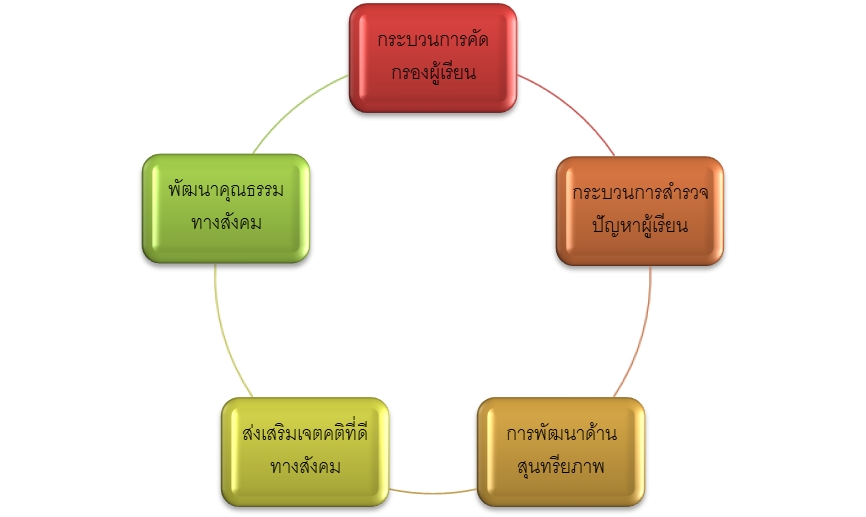
3. แนวทางการสร้างความเปลี่ยนแปลงทางเจตคติเชิงบวกของนักเรียนด้วยหลักพุทธธรรม ผู้บริหารสถานศึกษาควรคัดกรองหรือสำรวจปัญหาของนักเรียนแต่ละระดับชั้นให้ทราบปัญหาที่สำคัญ และนำมาเป็นแนวทางการประชุมเครือข่ายผู้บริหาร ผู้ปกครอง ผู้เชี่ยวชาญ นักจิตวิทยาเพื่อนำไปจัดกิจกรรมแก้ปัญหาเพื่อพัฒนาได้จริง
4. การสร้างความเปลี่ยนแปลงเจตคติเชิงบวกของนักเรียนด้วยหลักพุทธธรรม โดยรวมอยู่ในระดับมาก ( = 4.21, S.D. = 0.22) รายด้านที่มีค่าเฉลี่ยสูงสุด คือ ด้านการพัฒนาตนเองด้านสุนทรียภาพ (
= 4.34, S.D. = 0.34) ด้านที่มีค่าเฉลี่ยต่ำสุด คือ ด้านคุณธรรมในสังคม (
= 4.09, S.D. = 0.39)
Article Details

อนุญาตภายใต้เงื่อนไข Creative Commons Attribution-NonCommercial-NoDerivatives 4.0 International License.
เพื่อให้เป็นไปตามกฎหมายลิขสิทธิ์ ผู้นิพนธ์ทุกท่านต้องลงลายมือชื่อในแบบฟอร์มใบมอบลิขสิทธิ์บทความ ให้แก่วารสารฯ พร้อมกับบทความต้นฉบับที่ได้แก้ไขครั้งสุดท้าย นอกจากนี้ ผู้นิพนธ์ทุกท่านต้องยืนยันว่าบทความ ต้นฉบับที่ส่งมาตีพิมพ์นั้น ได้ส่งมาตีพิมพ์เฉพาะในวารสาร วิชาการธรรม ทรรศน์ เพียงแห่งเดียวเท่านั้น หากมีการใช้ ภาพหรือตารางของผู้นิพนธ์อื่นที่ปรากฏในสิ่งตีพิมพ์อื่นมาแล้ว ผู้นิพนธ์ต้องขออนุญาตเจ้าของลิขสิทธิ์ก่อน พร้อมทั้ง แสดงหนังสือที่ได้รับการยินยอมต่อบรรณาธิการ ก่อนที่บทความจะได้รับการตีพิมพ์เอกสารอ้างอิง
กรมการศาสนา กระทรวงวัฒนธรรม. (2552). คู่มือการดำเนินงานเสริมสร้างศีลธรรมสำหรับเด็กและเยาวชน. กรุงเทพฯ: สำนักพัฒนาคุณธรรมจริยธรรม.
กรมวิชาการ กระทรวงศึกษาธิการ. (2544). หลักสูตรมัธยมศึกษาตอนต้น. กรุงเทพฯ: กระทรวงศึกษาธิการ.
กรมสุขภาพจิต กระทรวงสาธารณสุข. (2544). คู่มือวิทยากรระบบการดูแลช่วยเหลือนักเรียน. กรุงเทพฯ: ยูเรนัสอิมเมจกรุ๊ป.
เกวลี ศรีบุรี. (2560). การส่งเสริมพฤติกรรมการกล้าแสดงออกโดยใช้กระบวนการเรียนรู้แบบมีส่วนร่วม สำหรับนักเรียนชั้นมัธยมศึกษาปีที่ 6 โรงเรียนผดุงนารี. (วิทยานิพนธ์ครุศาสตรมหาบัณฑิต). มหาสารคาม: มหาวิทยาลัยราชภัฏมหาสารคาม.
เจษฎาวัลย์ ปลงใจ. (2561). จริยกับความเป็นครู. วารสารบัณฑิตศึกษาปริทรรศน์ มหาวิทยาลัยจุฬาลงกรณราชวิทยาลัย วิทยาเขตแพร่, 4(1), 113-123. http://ojs.mcu.ac.th/index.php/JGMP/article/view/3339/2610
นิรุธ มะโนมัย, ทรงสุดา หมื่นไธสง, วิไลพร พลสูงเนิน, สันติ ยุทธยง และฉวีวรรณ ศรีดาวเรือง. (2563). ความสัมพันธ์ระหว่างเจตคติต่อการเรียนกับพฤติกรรมการเรียนของนักเรียนที่หนีเรียนชั้นมัธยมศึกษาตอนต้น อำเภอเมือง จังหวัดอุดรธานี. ราชาวดีสาร วิทยาลัยพยาบาลบรมราชชนนี สุรินทร์, 10(2), 69-79. https://he01.tci-thaijo.org/index.php/bcnsurin/article/view/243241
บุญชม ศรีสะอาด, สมนึก ภัททิยธนี, มนตรี อนันตรักษ์, นุชวนา เหลืองอังกูร, อรนุช ศรีสะอาด, สมบัติ ท้ายเรือคำ, ประวิต เอราวรรณ์ และทรงศักดิ์ ภูสีอ่อน. (2551). พื้นฐานการวิจัยการศึกษา. กาฬสินธุ์: ประสานการพิมพ์.
บุญมี โททำ. (2561). รูปแบบพัฒนาพฤติกรรมเชิงจริยธรรมของนักศึกษามหาวิทยาลัยราชภัฏ ในเขตภาคตะวันออกเฉียงเหนือ. (วิทยานิพนธ์รัฐประศาสนศาสตรดุษฎีบัณฑิต). มหาสารคาม: มหาวิทยาลัยราชภัฏมหาสารคาม.
ปรียาพร วงศ์อนุตรโรจน์. (2546). จิตวิทยาการศึกษา. กรุงเทพฯ: พิมพ์ดี.
ภาสกร เรืองรอง, ประหยัด จิระวงพงศ์, วณิชชา แม่นยำ, วิลาวัลย์ สมยาโรน, ศรันยู หมื่นเดช, ชไมพร ศรีสุราช. (2556). เทคโนโลยีการศึกษากับครูไทยในศตวรรษที่ 21. พิษณุโลก: ภาควิชาเทคโนโลยีและการสื่อสาร มหาวิทยาลัยนเรศวร.
มนตรี รอดแก้ว, พระมหาไทยน้อย สลางสิงห์, วิญญู เถาถาวงษ์, อาทิตย์ ชูชัย และอาทิตย์ แสงเฉวก. (2566). การพัฒนากิจกรรมการปรับพฤติกรรมเชิงจริยธรรมด้านความมีวินัยในตนเอง ทักษะชีวิต และความรู้สึกเห็นคุณค่าในตนเองของนักศึกษามหาวิทยาลัยมหามกุฏราชวิทยาลัย. วารสารสถาบันวิจัยพิมลธรรม, 10(2), 37-50. https://so06.tci-thaijo.org/index.php/prij/article/view/264070
โรงเรียนชุมชนบ้านทุ่งโพธิ์. (2568). ข้อมูลนักเรียนโรงเรียนชุมชนบ้านทุ่งโพธิ์. เข้าถึงได้จาก http://www.ccbtp.ac.th/datashow_206624
วีรวิท คงศักดิ์. (2555). คุณธรรมกับสังคมไทย. กรุงเทพฯ: แว่นแก้ว เอ็ดดูเทนเมนท์.
สถาบันส่งเสริมการสอนวิทยาศาสตร์และเทคโนโลยี. (2555). การวัดผลประเมินผลวิทยาศาสตร์. กรุงเทพฯ: ซีเอ็ดยูนิเคชั่น.
เสาวนีย์ เสนาสุ. (2532). งานอาสาสมัครและกิจกรรมเยาวชน. กรุงเทพฯ: โอเอ พริ้นติ้งเฮ้าท์.
Bloom, B. S., Engelhart, M. D., Furst, E. J., Hill, W. H., & Krathwohl, D. R. (1956). Taxonomy of educational objectives: The classification of educational goals. Handbook I: Cognitive domain. New York: David McKay Company.
Duke, D. L. (2004). The challenges of educational change. Boston: Pearson Education, Inc.
Joyce, B., Weil, M., & Calhoun, E. (2004). Models of teaching. (7th ed.). Boston: Allyn and Bacon.
Likert, R. (1974). The method of constructing an attitude scale. In G. Maranell (Ed.), Scaling: A sourcebook for behavioral scientists (pp. 90-95). Chicago, IL: Aldine Publishing Company.
Shaftel, F., & Shaftel, G. (1967). Role playing for social values: Decision making in the social studies. Englewood Cliffs, NJ: Prentice-Hall.
