An Analysis of the Concept of Sakta-Sakti in Hindu Philosophy and Its Influence on Thai Society
Article Sidebar
Main Article Content
Abstract
The objectives of this research are: 1) to study the concept of Sakta-Sakti in Hindu philosophy, 2) to study the concept of Sakta-Sakti in Thai society, and 3) to analyze the influence of the concept of Sakta-Sakti in Hindu philosophy on Thai society. This is a qualitative research study, collecting data from primary and secondary sources. The key informants consisted of 30 individuals, and the analysis was done through descriptive analysis using an inductive approach.
The research findings are as follows:
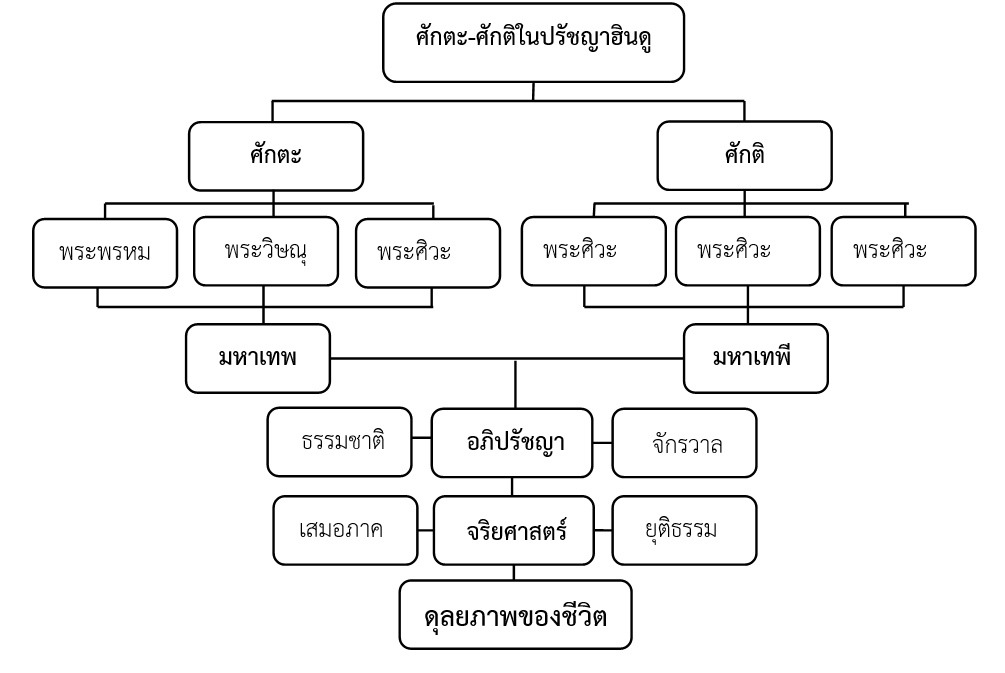
1. Sakta refers to the Trimurti gods, consisting of Brahma, the creator, with Saraswati as the Sakti goddess of knowledge; Vishnu, the preserver, with Lakshmi as the Sakti goddess of prosperity; and Shiva, the destroyer, with Uma as the Sakti goddess of beauty and power.
2. Sakta-Sakti in Thai society reflects belief in the power of gods and goddesses, which is connected to daily life. Sakta signifies the power and energy of the Trimurti gods and their consort goddesses that help protect and foster prosperity in people's lives. The worship of Sakti goddesses in Thai society reflects respect for the balance between creation and destruction.
3. Sakta-Sakti in Thai society serves as a symbol with influence in many areas, including: religion and belief, reflecting the power to protect and enhance daily life; governance and authority, showing the connection between the gods and rulers; art and culture, used to create works with deep meanings; education and philosophy, reflecting the belief in the development of knowledge and self; and daily life and rituals, playing a role in creating peace and balance in life.
Article Details

This work is licensed under a Creative Commons Attribution-NonCommercial-NoDerivatives 4.0 International License.
เพื่อให้เป็นไปตามกฎหมายลิขสิทธิ์ ผู้นิพนธ์ทุกท่านต้องลงลายมือชื่อในแบบฟอร์มใบมอบลิขสิทธิ์บทความ ให้แก่วารสารฯ พร้อมกับบทความต้นฉบับที่ได้แก้ไขครั้งสุดท้าย นอกจากนี้ ผู้นิพนธ์ทุกท่านต้องยืนยันว่าบทความ ต้นฉบับที่ส่งมาตีพิมพ์นั้น ได้ส่งมาตีพิมพ์เฉพาะในวารสาร วิชาการธรรม ทรรศน์ เพียงแห่งเดียวเท่านั้น หากมีการใช้ ภาพหรือตารางของผู้นิพนธ์อื่นที่ปรากฏในสิ่งตีพิมพ์อื่นมาแล้ว ผู้นิพนธ์ต้องขออนุญาตเจ้าของลิขสิทธิ์ก่อน พร้อมทั้ง แสดงหนังสือที่ได้รับการยินยอมต่อบรรณาธิการ ก่อนที่บทความจะได้รับการตีพิมพ์References
กรุณา-เรืองอุไร กุศลาสัย. (2550). ภารตวิทยา. (พิมพ์ครั้งที่ 6). กรุงเทพฯ: ศยาม.
กฤติยา วโรดม. (2560). ปัจจัยเสริมสร้างการบูชาเทพฮินดูอย่างสัมมาทิฏฐิในสังคมไทย. วารสารสันติศึกษาปริทรรศน์ มจร, 5(3), 160-171. https://so03.tci-thaijo.org/index.php/journal-peace/article/view/78291/83856
จรัส ลีกา, สุมิตรา ไอยรา และดาริกาญจน์ วิชาเดช. (2564). ศักตะ-ศักติ: พลังอำนาจ. วารสารสถาบันวิจัยพิมลธรรม, 8(2), 185-196. https://so06.tci-thaijo.org/index.php/prij/article/view/251875
ชนาภัทร์ วงศ์โรจนภรณ์. (2554). การศึกษาวิเคราะห์อิทธิพลของคำสอนเรื่องพรหมในคัมภีร์พระพุทธศาสนาที่มีต่อสังคมไทย. (วิทยานิพนธ์พุทธศาสตรมหาบัณฑิต). พระนครศรีอยุธยา: มหาวิทยาลัยมหาจุฬาลงกรณราชวิทยาลัย.
ณัฎฐจิตต์ เลาห์วีระ. (2548). ศักติในพุทธตรันตระ. พระนครศรีอยุธยา: มหาวิทยาลัยมหาจุฬาลงกรณราชวิทยาลัย.
นราวัลย์ พูลพิพัฒน์. (2562). เทพเจ้าในวรรณคดีไทย: บทบาทในฐานะผู้สร้างและผู้ทำลาย. พิฆเนศวร์สาร, 15(2), 69-82. https://so01.tci-thaijo.org/index.php/pikanasan/article/view/203918
นักรบ นาคสุวรรณ์. (2562). พระแม่พหุชระเทพผู้คุ้มครองความหลากหลายทางเพศ. กรุงเทพฯ: วิทยาลัยดุสิตธานี.
บำรุง คำเอก. (2558). อิทธิพลของศาสนาพราหมณ์-ฮินดูในสมัยรัตนโกสินทร์ตอนต้น. Veridian E-Journal, Silpakorn University, 8(2), 2399-2421. https://he02.tci-thaijo.org/index.php/Veridian-E-Journal/article/view/45461/37604
พระชาติชาย ชาตวุฑฺโฒ (สุขเอก). (2550). การศึกษาแนวคิดเกี่ยวกับสังสารวัฏในปรัชญาฮินดู. (วิทยานิพนธ์พุทธศาสตรมหาบัณฑิต). พระนครศรีอยุธยา: มหาวิทยาลัยมหาจุฬาลงกรณราชวิทยาลัย.
พระมหาบุญทัน ธีรงกุโร (จำปาทอง). (2558). ศึกษาเปรียบเทียบตรีมูรติในศาสนาพราหมณ์-ฮินดูกับตรีกายในพุทธศาสนามหายาน. (วิทยานิพนธ์พุทธศาสตรมหาบัณฑิต). พระนครศรีอยุธยา: มหาวิทยาลัยมหาจุฬาลงกรณราชวิทยาลัย.
พระยาอนุมานราชธน (เสฐียรโกเศศ). (2507). ลัทธิของเพื่อน ฉบับสมบูรณ์. พระนคร: ก้าวหน้า.
วิจิตตรี ธรรมรักษ์, สุวิน ทองปั้น และจักรพรรณ วงศ์พรพวัณ. (2567). การศึกษาวิเคราะห์เทพเจ้าในปรัชญาฮินดูที่มีอิทธิพลต่อสังคมไทย. วารสารวิชาการธรรมทรรศน์์, 24(1), 295-310 . https://so06.tci-thaijo.org/index.php/dhammathas/article/view/267355/182230
สุมาลี มหณรงค์ชัย. (2546). ฮินดู-พุทธ จุดยืนที่แตกต่าง. กรุงเทพฯ: สุขภาพใจ.
