
สื่อการเรียนรู้โขนสำหรับคนรุ่นใหม่: การนำเสนอผ่านพหุสัมผัสด้วยขนมอบและคุกกี้โขนกินได้
Article Sidebar
Main Article Content
บทคัดย่อ
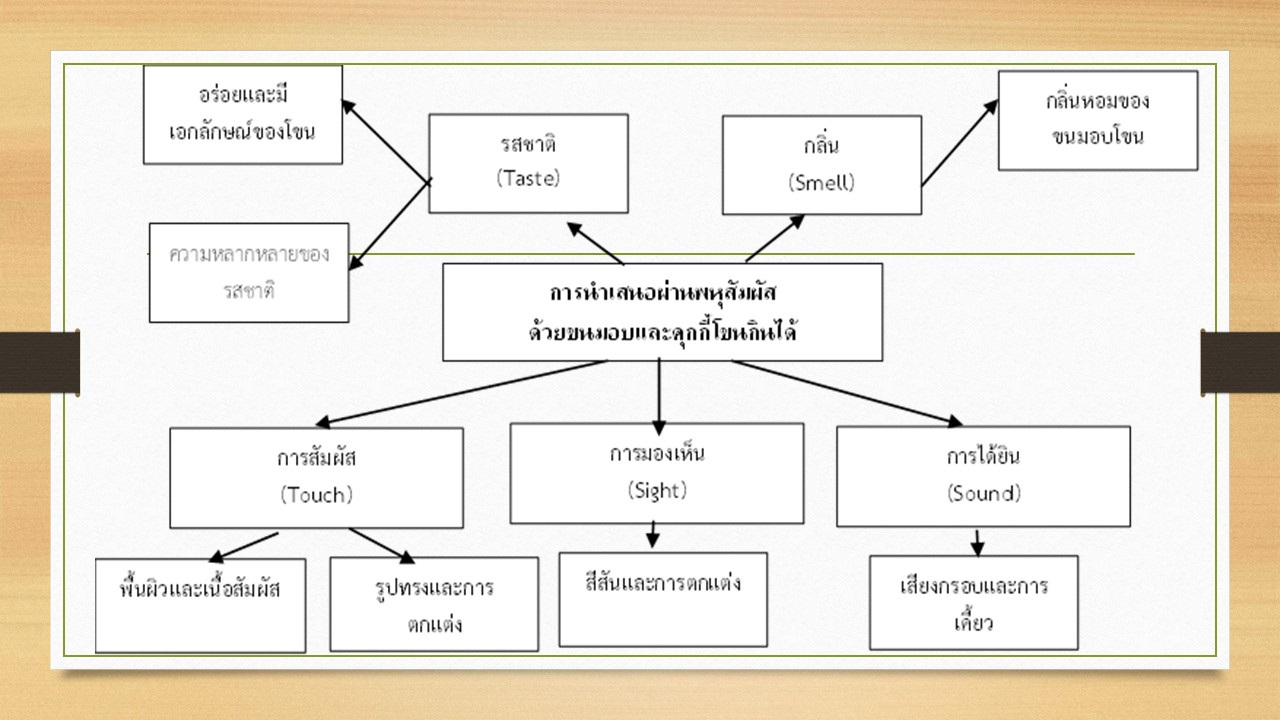
การเรียนรู้ผ่านพหุสัมผัสมีความสำคัญในการสร้างประสบการณ์การเรียนรู้ที่มีประสิทธิภาพ ซึ่งช่วยให้ผู้เรียนสามารถรับข้อมูลจากหลากหลายช่องทางของประสาทสัมผัสพร้อมกันและเสริมสร้างความเข้าใจที่ลึกซึ้งและครอบคลุมมากยิ่งขึ้น เช่น การมองเห็น การได้ยิน การสัมผัส การลิ้มรส และการดมกลิ่น การเรียนรู้ผ่านพหุสัมผัสมีบทบาทสำคัญในการกระตุ้นความสนใจและช่วยให้ผู้เรียนสามารถจดจำข้อมูลได้ดีขึ้น เนื่องจากการมีส่วนร่วมของประสาทสัมผัสหลายประเภทพร้อมกันช่วยเสริมสร้างการเชื่อมโยงระหว่างข้อมูลใหม่และความรู้ที่มีอยู่เดิม ในขณะที่การใช้พหุสัมผัสในอาหารและการส่งเสริมวัฒนธรรมสามารถสร้างประสบการณ์การเรียนรู้ที่มีความหมาย ในกรณีของขนมอบและคุกกี้โขนกินได้ซึ่งเป็นตัวอย่างที่ดีของการใช้พหุสัมผัส การสัมผัสจากรูปร่างและพื้นผิวของขนม การรับรสจากรสชาติของอาหาร และการมองเห็นการตกแต่งหรือการออกแบบของขนม ช่วยให้ผู้เรียนเรียนรู้วัฒนธรรมโขน สามารถสัมผัสและเข้าใจผ่านการมีส่วนร่วมในกิจกรรม การใช้ขนมอบและคุกกี้โขนกินได้เป็นเครื่องมือในการสื่อสารวัฒนธรรมทำให้ผู้เรียนสามารถเข้าใจและสัมผัสได้ถึงความหลากหลายและความสำคัญของวัฒนธรรมโขนในยุคปัจจุบัน
Article Details

อนุญาตภายใต้เงื่อนไข Creative Commons Attribution-NonCommercial-NoDerivatives 4.0 International License.
เอกสารอ้างอิง
กรมศิลปากร. (2552). โขน. พิมพ์ในงานพระราชทางเพลิงพระศพ พระเจ้าวรวงศ์เธอพระองค์เจ้า เฉลิมเขตรมง ณ เมรุวัดเทพศิรินทราวาส.
ธนิต อยู่โพธิ์. (2493). โอกาสที่มีแสดงโขน. ศิลปากร 3, 6 (เมษายน) : 40-45.
นงค์นุช ไพรพิบูลยกิจ. (2541). หุ่นกระบอก. กรุงเทพฯ:บริษัทเอส.ที.พี.เวิลด์ มีเดีย.
ปาริชาติ จึงวัฒนาภรณ์. (2549). จากเวทีละครสู่เวทีการวิจารณ์. มหาสารคาม : สำนักพิมพ์มหาวิทยาลัยมหาสารคาม.
พหลยุทธ กนิษฐบุตร และอนุกูล โรจนสุขสมบูรณ์. (2564). การเขียนหน้าและการแต่งหน้าโขน, วารสารมนุษยศาสตร์และสังคมศาสตร์ มหาวิทยาลัยราชภัฎอุบลราชธานี, 12(2),101-124.
ไพฑูรย์ เข้มแข็ง. (2563). จารีตการฝึกหัดและการแสดงโขนตัวพระราม, บัณฑิตวิทยาลัย: จุฬาลงกรณ์มหาวิทยาลัย.
Birsh. (2005). Multisensory teaching of basic language skills. Baltimore, Maryland: Paul H.Brookes.
Chen and Phakdeephirot. (2021). Comparison and Analysis of the Methods for Measuring the Sustainability of Farmers’ Livelihoods. International Journal of Multidisciplinary in Management and Tourism, 5(2), 87–99. https://doi.org/10.14456/ijmmt.2021.9
Dunn. (1983). Sibling relationships in early childhood. Child Development, 54(4), 787–811. https://doi.org/10.2307/1129886.
Dunn. (1984). A Nursing Care Plan for the Handicapped Student. Journal of School Health, 54(8), 302-305. https://doi.org/10.1111/j.1746-1561.1984.tb08940.x
Dwyer. (1994). Motivation and impacts of foreign tourism investment. Annals of Tourism Research, 21 (3), 512–37.
Gore. (2002). A Study of the Effect of Multisensory Writing Instruction on the Writen Expression of the Dyslexia Elementary Child. USA. Louisiana State University.
Jensen. (1998). The G Factor: The Science of Mental Ability. Westport, CT: Praeger/Greenwood.
McIntosh and Peck. (2005). Multisensory Strategies. USA: Scholastic Inc.
Mildred McGinnis. (2001). Aphasic Children: Identification and Treatment by Association Method. USA. Alexander Graham Bell Association.
Na Nakorn. (2022). The Strategic Management for Competitive Advantage Improvement of Halal Food Business in Pattani Province. Journal of Arts Management, 6(1), 33–46. Retrieved from https://so02.tci-thaijo.org/index.php/jam/article/view/252016
Nelson. (1979). Remembering pictures and words: Appearance, significance, and name. In L. S. Cermak, & F. I. M. Craik (Eds.), Levels of processing in human memory (pp. 45-75). Hillsdale, NJ: Erlbaum.
Po Chu Ng. (2007). A Multi–Sensory Approach to Enhancing Writing in Chinese. China: Hong Kong Baptist University.
Reid. (1987). The Learning Style Preferences of ESL Students. TESOL Quarterly, 21, 87-111. http://dx.doi.org/10.2307/3586356
Reinert. (1976). One picture is worth a thousand words? Not necessarily. Modern Language Journal, 60(4), 160–168.https://doi.org/10.2307/326308
Roger et al. (1995). Diffusion of Innovations. 4th Edition, the Free Press, New York.
Sadoski. (2005). A dual coding view of vocabulary learning. Reading & Writing Quarterly, 21, 221-238.
Wallop Yoodee. (2009). Death of the Traditional Family. Consumer Affairs Editor. Daily Telegraph.
