
Consumer Protection in Dietary Supplements through Online Advertising
Article Sidebar
Main Article Content
Abstract
This research is to study the concept Theory regarding consumer protection of dietary supplements through online advertising. Analyze legal mechanisms to protect consumers of dietary supplements from online and find solutions to legal problems in protecting consumers of dietary supplements from online advertising.
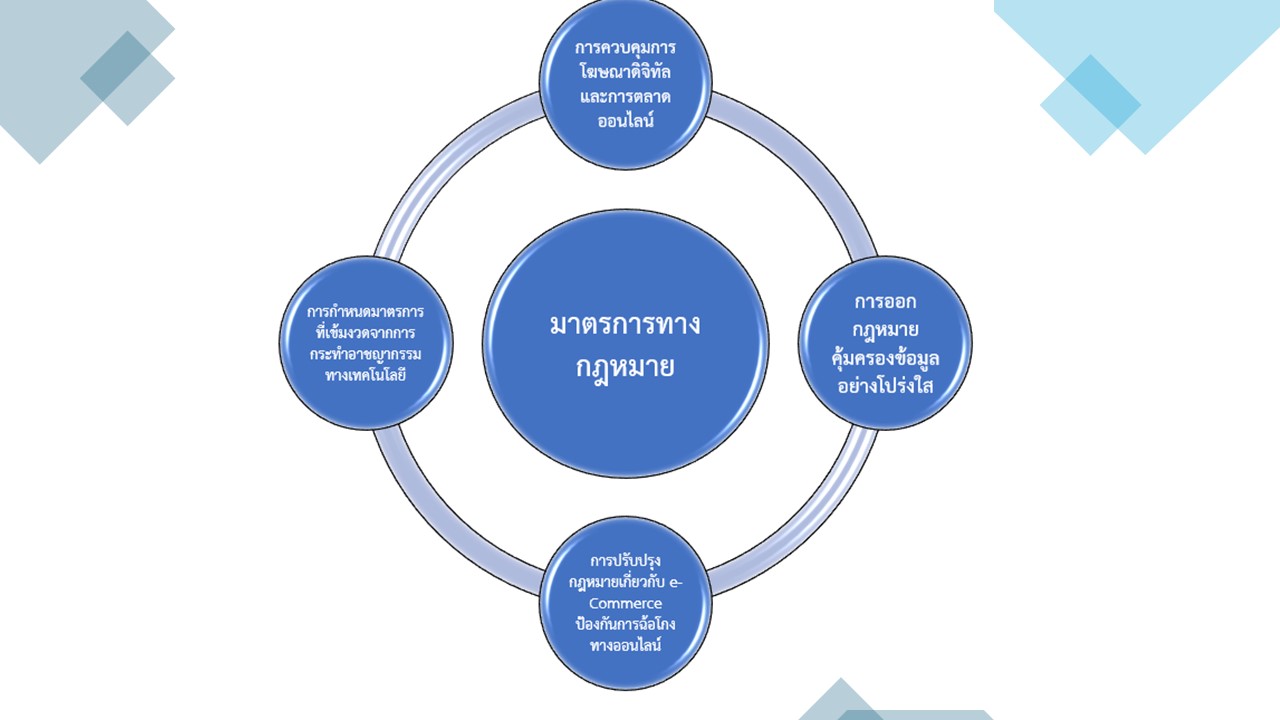
The results of the research found that nowadays society has developed regarding the advertising of dietary supplements through the media. widely online But the laws are outdated and not comprehensive, causing manufacturers and product distributors to Seek benefits for yourself and your friends. There is exaggerated propaganda. In addition, the state has mechanisms Supervision of agencies with insufficient knowledge and skills in protecting consumers in various products. Therefore, it is recommended to amend the Consumer Protection Act, B.E. 2522 and the Food Act, B.E. 2522, by filling gaps in laws that are not comprehensive and are outdated. Severe penalties have been amended in cases where manufacturers and distributors violate the law. In particular, strictly controlling or reducing fraudulent or illegal online advertising. There should be an agency to supervise products. Food Supplement has expertise in various dietary supplements. Including improving laws regarding e-Commerce, preventing online fraud and protecting personal information.
Article Details
References
ฐิติพร อินศร. (2562). การศึกษาเรื่องผลกระทบของกฎหมายควบคุมโฆษณาผลิตภัณฑ์เสริมอาหารต่อ
พฤติกรรมการบริโภคของผู้บริโภคในประเทศไทย. https://he02.tci- haijo.org/index.php/RDHSJ/article/download/255214/173391
ธนพงศ์ ภูผาลี, วิมาน กฤตพลวิมาน, จิตตศุภางค์ ตันติภิรมย์. (2564). การวิเคราะห์เนื้อหาโฆษณา
ผลิตภัณฑ์เสริมอาหารในสื่อโซเชียลมีเดีย. https://he01.tcithaijo.org/index.php/TJPP/article/download/248371/169099/917379
เพลินใจ ตังคณะกุล. (2554). ผลิตภัณฑ์อาหารเสริมสุขภาพคืออะไร. นิตยสารอิเล็กทรอนิกส์ สำนัก
บริการคอมพิวเตอร์ มหาวิทยาลัยเกษตรศาสตร์. http://www.ku.ac.th/e- magazine/april45/know/food.html
รติยา จันทวี. (2565). ความรู้ ทัศนคติ และพฤติกรรมของผู้บริโภคต่อการโฆษณาผลิตภัณฑ์เสริม
อาหารลดน้ำหนักโดยใช้บุคคลต้นแบบ. chrome://externalfile/httpsnuir.lib.nu.ac.
สุชัญญา พลเพชร. (2562). การศึกษาแนวทางการกำกับดูแลโฆษณาผลิตภัณฑ์เสริมอาหารออนไลน์
ที่มีประสิทธิภาพ, https://he02.tci-thaijo.org/index.php/RDHSJ/article/download/255137/173326/927636
สุรันทร์ จงดีประเสริฐ. (2554). ปัจจัยที่ส่งผลต่อการตัดสินใจซื้อผลิตภัณฑ์เสริมอาหารเพื่อสุขภาพชนิด
แคปซูลของคนวัยทำงานในกรุงเทพมหานคร.บริหารธุรกิจมหาบัณฑิต มหาวิทยาลัยกรุงเทพ
สมชาย ปัญญาวงค์. (2563). ศึกษาผลกระทบของการบังคับใช้กฎหมายคุ้มครองผู้บริโภคในประเทศไทย.
จุฬาลงกรณ์มหาวิทยาลัย.
อาณดี นิติธรรมยง. (2547). อาหารเพื่อสุขภาพโภชนาการ. http:/library.christian ac th/opac/showsearch_bk.php? pointer-T020283
Smith, J. (2019). The Mediating Role of Risk, Credibility, and Convenience in the Relationship
between Initial Trust and Purchase Intention in Online Shopping. Journal of Marketing
Research.
Jones, A., & Taylor, B. (2020). Comparative Analysis of Online Advertising Regulations
Journal of Internet Law.
Williams, L., & Brown, M. (2021). "Adapting ICT Laws to Emerging Technologies: AI and Data
Privacy." International Journal of Technology Law.
Davis, M., & Moore, S. (2021). Case Studies on Successful Online Advertising Regulations:
Insights from the EU, USA, and UK. Journal of Regulatory Policy.
Johnson, A., & Smith, T. (2023). "AI and Blockchain in Advertising: Regulatory
Challenges and Opportunities." Journal of Digital Innovation.
Regulating False Advertising in Dietary Supplements.
Green & Jones. (2020). Social Media and Its Influence on Customer Relationship
Management (2020).
Laura White (2022). Regulation of Online Health Advertising: LegalFrameworks
and Best Practices.
