
ภาวะผู้นำทางวิชาการของครูโรงเรียนโสตศึกษา ภาคกลาง สังกัดสำนักบริหารงานการศึกษาพิเศษ
Article Sidebar
Main Article Content
บทคัดย่อ
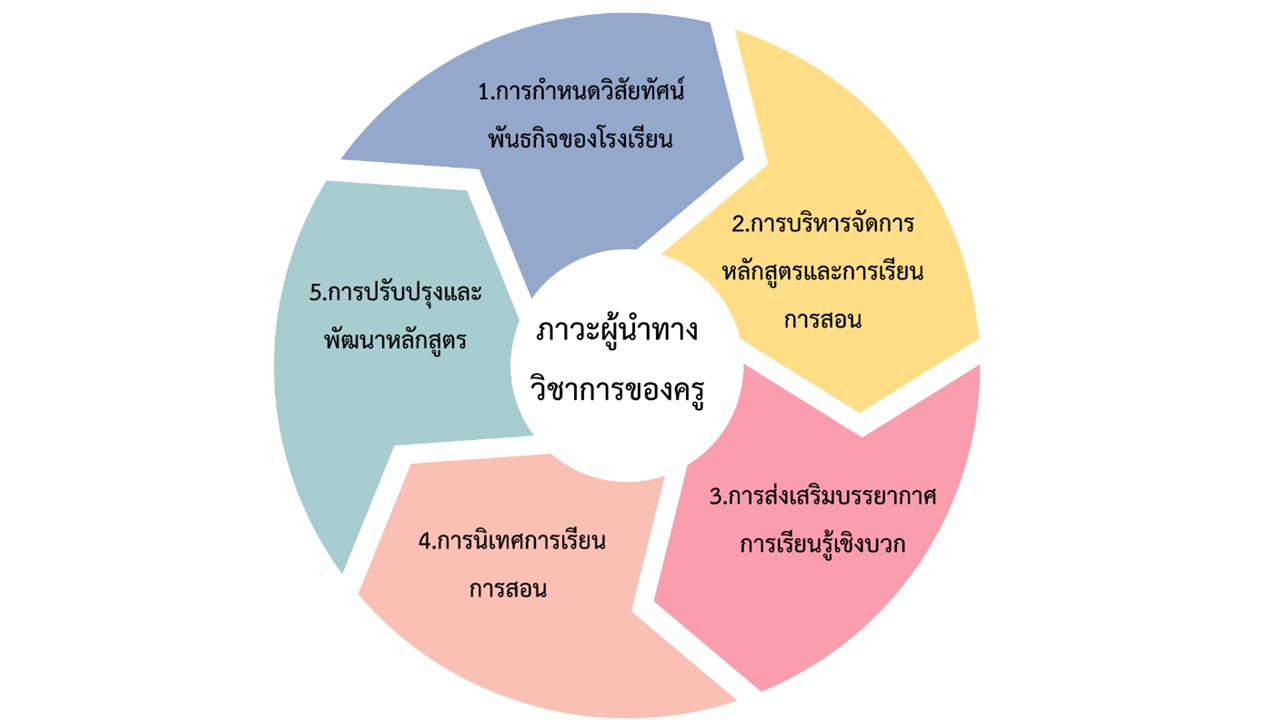
การวิจัยครั้งนี้ มีวัตถุประสงค์เพื่อศึกษาและเปรียบเทียบภาวะผู้นำทางวิชาการของครูโรงเรียนโสตศึกษา ภาคกลาง สังกัดสำนักบริหารงานการศึกษาพิเศษ ด้านการกำหนดวิสัยทัศน์ และพันธกิจของโรงเรียน ด้านการบริหารจัดการหลักสูตรและการเรียนการสอน ด้านการส่งเสริมบรรยากาศการเรียนรู้เชิงบวก ด้านการนิเทศการเรียนการสอน และด้านการปรับปรุงและพัฒนาหลักสูตร โดยรวมและในแต่ละด้าน จำแนกตามเพศ ประสบการณ์ในการทำงาน และระดับการศึกษา กลุ่มตัวอย่างที่ใช้ในการวิจัยครั้งนี้ ได้แก่ ครู โรงเรียน
โสตศึกษา ภาคกลาง สำนักบริหารงานการศึกษาพิเศษ ปีการศึกษา 2567 จำนวน 163 คน เครื่องมือที่ใช้ในการวิจัยเป็นแบบสอบถามแบบมาตราส่วนประมาณค่า 5 ระดับ มีค่าความเชื่อมั่นของเครื่องมือทั้งฉบับเท่ากับ .98 สถิติที่ใช้ในการวิเคราะห์ข้อมูล ได้แก่ ความถี่ ค่าร้อยละ ค่าเฉลี่ย ค่าความเบี่ยงเบนมาตรฐาน
การทดสอบที การวิเคราะห์ความแปรปรวนทางเดียว และการทดสอบค่าเฉลี่ยเป็นรายคู่โดยวิธีของเชฟเฟ่ ผลการวิจัย พบว่า 1) ภาวะผู้นำทางวิชาการของครูโรงเรียนโสตศึกษา ภาคกลาง สังกัดสำนักบริหารงานการศึกษา โดยรวมและในแต่ละด้านอยู่ในระดับมาก 2) ครูเพศชายและเพศหญิงมีภาวะผู้นำทางวิชาการ โดยรวม ไม่แตกต่างกัน เมื่อพิจารณาเป็นรายด้าน พบว่า ด้านการกำหนดวิสัยทัศน์ และพันธกิจของโรงเรียน และด้านการส่งเสริมบรรยากาศการเรียนรู้เชิงบวก แตกต่างกันอย่างมีนัยสำคัญทางสถิติที่ระดับ .05 ส่วนด้านอื่น ๆ ไม่พบความแตกต่าง 3) ครูที่มีระดับการศึกษาแตกต่างกัน มีภาวะผู้นำทางวิชาการโดยรวมและในแต่ละด้าน แตกต่างกันอย่างมีนัยสำคัญทางสถิติที่ระดับ .05 4) ครูที่มีประสบการณ์ในการทำงานแตกต่างกันมีภาวะผู้นำทางวิชาการโดยรวมและในแต่ละด้าน แตกต่างกันอย่างมีนัยสำคัญทางสถิติที่ระดับ .05
Article Details

อนุญาตภายใต้เงื่อนไข Creative Commons Attribution-NonCommercial-NoDerivatives 4.0 International License.
เอกสารอ้างอิง
กัญญาภัทร ดำชม, & จิติมา วรรณศรี. (2565). ความสัมพันธ์ระหว่างภาวะผู้นำทางวิชาการของครูกับคุณภาพการจัดการเรียนการสอนของครูในสถานศึกษา สังกัดสำนักงานเขตพื้นที่การศึกษาประถมศึกษาอุตรดิตถ์ เขต 1. Journal of Roi Kaensarn Academi, 7(6), 297-298.
กัณญารัตน์ แรกรุ่น. (2562). รูปแบบการพัฒนาภาวะผู้นำทางวิชาการของครูในสถานศึกษาขั้นพื้นฐาน สังกัดสำนักงานเขตพื้นที่การศึกษาประถมศึกษานครศรีธรรมราช เขต 1. วารสารศึกษาศาสตร์, 30(2), 54-69.
ขนิษฐา สุขทิพย์. (2559). ภาวะผู้นำทางวิชาการของครูเพื่อการเรียนรู้ในศตวรรษที่ 21 ในสถานศึกษาระดับ มัธยมศึกษาสหวิทยาเขตทุ่งใหญ่สังกัดสำนักงานเขตพื้นที่การศึกษามัธยมศึกษา เขต 12 จังหวัดนครศรีธรรมราช [การค้นคว้าอิสระ ศษ.ม., มหาวิทยาลัยสุโขทัยธรรมาธิราช]. ฐานข้อมูลเครือข่าย ThaiLis.
จรูญ บุญธรรม, สุเทพ ตระหง่าน, & คณิต สุขรัตน์. (2567). ภาวะผู้นำทางวิชาการของครู สังกัดสำนักงานเขตพื้นที่การศึกษาประถมศึกษาปทุมธานี เขต 1. วารสารมณีเชษฐาราม วัดจอมมณี, 7(4), 92-113.
ธีรศักดิ์ (อุปรมัย) อุปไมยอธิชัย. (2563). ความเป็นครู แนวทางการพัฒนาจากทฤษฎีสู่การปฏิบัติ. โรงพิมพ์แห่งจุฬาลงกรณ์มหาวิทยาลัย.
นรีรัตน์ เทศกาล. (2560). ภาวะผู้นำทางวิชาการของครูในสหวิทยาเขตสตาร์บุษ จังหวัดจันทบุรี สังกัดสำนักงานเขตพื้นที่การศึกษามัธยมศึกษา เขต 17 [วิทยานิพนธ์ กศ.ม., มหาวิทยาลัยบูรพา]. ฐานข้อมูลเครือข่าย ThaiLis.
บุญชม ศรีสะอาด. (2554). หลักการวิจัยเบื้องต้น (พิมพ์ครั้งที่ 9.). สุวิริยาสาส์น.
พรรณอร อุชุภาพ. (2561). การศึกษาและวิชาชีพครู. โรงพิมพ์แห่งจุฬาลงกรณ์มหาวิทยาลัย.
มลิวัลย์ ธรรมแสง. (2550). ผลสัมฤทธิ์ทางการเรียนของเด็กหูหนวกและระบบวิธีสอน : ฝากไว้ให้คิดถึง. มูลนิธิอนุเคราะห์คนหูหนวกแห่งประเทศไทย.
รชยา เรือนสอน. (2564). แนวทางการพัฒนาภาวะผู้นำทางวิชาการของครูโรงเรียนเทศบาล 1 (ป่าแดด) [วิทยานิพนธ์ปริญญามหาบัณฑิต, มหาวิทยาลัยราชภัฏเชียงราย].
รัตนา ดวงแก้ว. (2564). หน่วยที่ 13 ภาวะผู้นำทางการเรียนการสอน. มหาวิทยาลัยสุโขทัยธรรมาธิราช.
เรวดี มนตรีพิลา. (2563). การพัฒนาภาวะผู้นำทางวิชาการของครูในสถานศึกษาขั้นพื้นฐาน [วิทยานิพนธ์ กศ.ด., มหาวิทยาลัยมหาสารคาม]. ฐานข้อมูลเครือข่าย ThaiLis.
วิโรจน์ สารรัตนะ. (2557). แนวคิด ทฤษฎีและประเด็นเพื่อการบริหารทางการศึกษา. ซีเอ็ดบุ๊คเซ็นเตอร์.
สันติ บุญภิรมย์. (2557). ความเป็นครู Self-Actualization for Teachers. ทริปเพิ้ล เอ็ดดูเคชั่น.
สำนักงานคณะกรรมการข้าราชการครูและบุคลากรทางการศึกษา. (2564a). ประกาศหลักเกณฑ์และวิธีการประเมินตำแหน่งและวิทยฐานะข้าราชการครูและบุคลากรทางการศึกษา ตำแหน่งครู.
สำนักงานคณะกรรมการข้าราชการครูและบุคลากรทางการศึกษา. (2564b). มาตรฐานตำแหน่งและมาตรฐานวิทยฐานะของข้าราชการครูและบุคลากรทางการศึกษา.
สำนักงานเลขาธิการสภาการศึกษา. (2560). แผนการศึกษาแห่งชาติ พ.ศ. 2560 – 2579. บริษัท พริกหวานกราฟฟิค จำกัด.
สำนักบริหารงานการศึกษาพิเศษ. (2561). การจัดการศึกษาสำหรับบุคคลที่มีความบกพร่องทางการได้ยิน. สำนักบริหารงานการศึกษาพิเศษ.
สำนักบริหารงานการศึกษาพิเศษ. (2564). รายงานผลการดำเนินงาน ประจำปีงบประมาณ พ.ศ. 2564. สำนักบริหารงานการศึกษาพิเศษ.
สำนักบริหารงานการศึกษาพิเศษ. (2566). รายงานจำนวนตามประเภทบุคลากร ของโรงเรียนเฉพาะความพิการ http://www.specialset.bopp.go.th/set_index/index.php?page=person-deform.php
สุทธนู ศรีไสย์. (2551). สถิติประยุกต์สำหรับงานวิจัยทางสังคมศาสตร์ (พิมพ์ครั้งที่ 3). จุฬาลงกรณ์มหาวิทยาลัย.
David Willetts. (2023, October). How Higher Education can Boost People-Powered Growth https://economy2030.resolutionfoundation.org/wp-content/uploads/2023/10/How-higher-education-can-boost-people-powered-growth.pdf
Francis, L. A. (2012). Teacher Leadership for the 21st Century: Teacher Leaders' Experiences in Supporting the Pedagogical Practice of Academic Rigor Fielding Graduate University].
Hallinger, P., Heck, R. H.,. (2010). Collaborative Leadership and School Improvement: Understanding the Impact on School Capacity and Student Learning. School Leadership & Management, 30(2), 95-110.
Indeed Editorial Team. (2023, 17 February). What Is Academic Leadership? (And How to Be a Better Leader) https://ca.indeed.com/career-advice/career-development/academic-leadership
Jennifer Jacobs. (2021, 26 October). What does It Mean to be a Teacher Leader? https://www.usf.edu/education/blog/2021/what-does-it-mean-to-be-a-teacher-leader.aspx
Leon P. (2023, 8 February). The Importance of Strong Leadership Skills in Teachers https://www.linkedin.com/pulse/importance-strong-leadership-skills-teachers-leon-pennicooke?trk=article-ssr-frontend-pulse_more-articles_related-content-card
Oleksandra Mamchii. (2023, 24 October). What is Educational Leadership and Why Is It Significant? https://bestdiplomats.org/educational-leadership/
Rudolf T. Vecaldo. (2019). Instructional Leadership Beliefs of Filipino Pre-Service Teachers. International Journal of Evaluation and Research in Education (IJERE), 8(4), 596-603.
Siti Noor Ismail, & other. (2018). Instructional Leadership and Teachers’ Functional Competency across the 21st Century Learning. International Journal of Instruction, 11(2), 135-152.
Stephanie K. Rehbock. (2020). Academic Leadership: Challenges and Opportunities for Leaders and Leadership Development in Higher Education. Modern Day Challenges in Academia, 252-264.
Tara Kini, & Anne Podolsky. (2016, 3 June). Does Teaching Experience Increase Teacher Effectiveness? A Review of the Research https://learningpolicyinstitute.org/product/does-teaching-experience-increase-teacher-effectiveness-review-research
University of San Diego. (2022, 3 November). Teacher Leadership in Education: 5 Must-Have Skills for Educators https://pce.sandiego.edu/teacher-leadership/
Vu Thi Mai Huaong. (2019). Factors Affecting Instructional Leadership in Secondary Schools to Meet Vietnam’s General Education Innovation. International Education Studies, 13(2), 48-60.
