
กลยุทธ์การบริหารการศึกษาเพื่อรับรองมาตรฐานของสถาบันส่งเสริมและพัฒนาคุณภาพชีวิตคนตาบอดภาคตะวันออกเฉียงเหนือ
Article Sidebar
Main Article Content
บทคัดย่อ
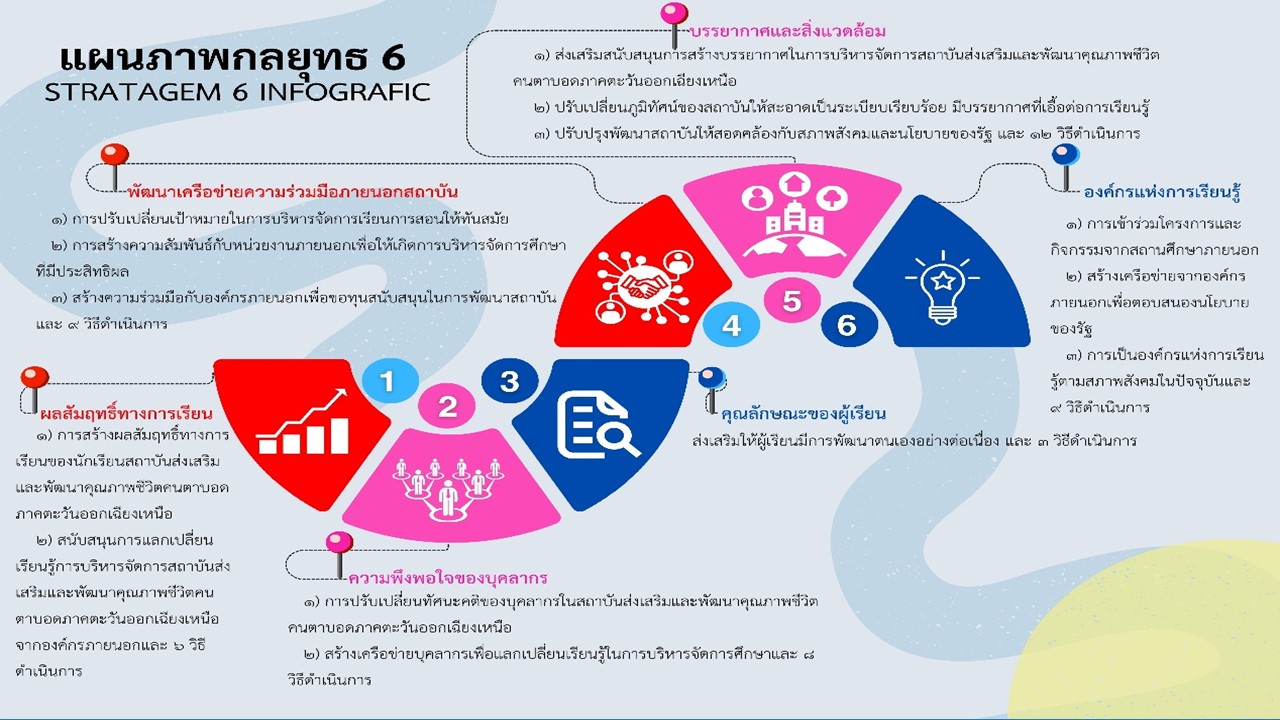
การวิจัยครั้งนี้มีวัตถุประสงค์เพื่อ 1) ศึกษาสภาพปัจจุบัน สภาพที่พึงประสงค์ และความต้องการจำเป็นในการบริหารจัดการที่มีประสิทธิผลของสถาบันส่งเสริมและพัฒนาคุณภาพชีวิตคนตาบอดภาคตะวันออกเฉียงเหนือ 2) พัฒนากลยุทธ์การบริหารจัดการที่มีประสิทธิผล 3) ประเมินกลยุทธ์ดังกล่าว โดยใช้ระเบียบวิธีวิจัยแบบผสมผสาน ทั้งเชิงปริมาณและเชิงคุณภาพ เครื่องมือที่ใช้ ได้แก่ แบบสอบถาม และแบบประเมินความเหมาะสม ความเป็นไปได้ และความเป็นประโยชน์ กลุ่มตัวอย่างเชิงปริมาณ คือ ครูและคณะกรรมการสถานศึกษา จำนวน 231 คน วิเคราะห์ข้อมูลด้วยค่าเฉลี่ย ส่วนเบี่ยงเบนมาตรฐาน ความถี่ และร้อยละ กลุ่มข้อมูลเชิงคุณภาพ ได้แก่ 1) ผู้ทรงคุณวุฒิ 15 คน โดยการสนทนากลุ่ม (Focus Group Discussion) และ 2) ผู้มีส่วนได้เสีย 11 คน โดยการประเมินกลยุทธ์ (Connoisseurship) ผลการวิจัยพบว่า 1) สภาพที่พึงประสงค์สูงกว่าสภาพปัจจุบันในทุกด้าน โดยด้านที่มีความต้องการจำเป็นเร่งด่วนที่สุดคือ ความพึงพอใจของบุคลากร รองลงมาคือ การเป็นองค์กรแห่งการเรียนรู้ ผลสัมฤทธิ์ทางการเรียน บรรยากาศและสิ่งแวดล้อม คุณลักษณะของผู้เรียน และการพัฒนาสถานศึกษา 2) กลยุทธ์การบริหารจัดการที่พัฒนาขึ้นประกอบด้วย 6 กลยุทธ์หลัก 14 กลยุทธ์รอง และ 47 วิธีดำเนินการ 3) ผลการประเมินกลยุทธ์ พบว่ามีความเหมาะสม ความเป็นไปได้ และความเป็นประโยชน์ในระดับมากที่สุด และสามารถนำไปใช้ในการพัฒนาได้จริง
Article Details
เอกสารอ้างอิง
กระทรวงศึกษาธิการ. (2567). พระราชบัญญัติการศึกษาแห่งชาติ พ.ศ. 2542. https://kku.world/oyh7m1
กิติมา ปรีดีดิลก. (2532). การบริหารและการนิเทศการศึกษาเบื้องต้น. กรุงเทพฯ: อักษราพิพัฒน์.
ณัฐกานต์ พวงไพบูลย์, แม้นวาด รชนีกรไกรลาศ. (2564). กลยุทธ์การบริหารวิชาการของสถาบันอุดมศึกษาในประเทศไทยเพื่อส่งเสริมการพัฒนาที่ยั่งยืน. วารสารพุุทธศาสตร์ศึกษา, 12(1). 1-19.
บุญชม ศรีสะอาด. (2545). การวิจัยเบื้องต้น. (พิมพ์ครั้งที่ 7). กรุงเทพมหานคร : สุวีริยาสาสน์.
บุญชม ศรีสะอาด. (2550). วิธีการทางสถิติสำหรับการวิจัย เล่ม 1. กรุงเทพมหานคร : สุวิริยาสาสน์.
ปรียาพร วงศ์อนุตรโรจน์. (2546). การบริหารงานวิชาการ. กรุงเทพฯ: ศูนย์สื่อเสริมกรุงเทพ.
พระสมุห์สมพร อุชุธมฺโม(นิ่มนวล). (2564). หลักการบริหารงานวิชาการในสถานศึกษา. วารสารบัณฑิตศึกษาปริทรรศน์ วิทยาลัยสงฆ์นครสวรรค์, 9(3), 67-80.
พลกฤษณ์ กั้วสิทธิ์. (2563). กลยุทธ์การบริหารสถานศึกษา สังกัดสำนักงานเขตพื้นที่การศึกษามัธยมศึกษาในภาคตะวันออกเฉียงเหนือ. วารสารวิชาการธรรมทรรศน์, 20(3), 110-119.
รุจีร์ ภู่สาระ และจันทรานี สงวนนาม. (2545). การบริหารหลักสูตรในสถานศึกษา. กรุงเทพฯ: บุ๊คพอยท์.
สำนักงานบริหารงานบุคคลและนิติการ (2563). คู่มือหลักสูตรการพัฒนาข้าราชการครูและบุคลากรทางการศึกษาก่อนแต่งตั้งให้ดำรงตำแหน่งผู้อำนวยการสถานศึกษา. กรุงเทพมหานคร : สำนักงานการศึกษาขั้นพื้นฐาน.
สำนักงานเลขาธิการสภาการศึกษา (2560). แผนการศึกษาแห่งชาติ พ.ศ. 2560 – 2579. กรุงเทพมหานคร : บริษัท พริกหวานกราฟฟิค จำกัด.
อาทิตยา โปณะทอง. (2562). การพัฒนาหลักสูตรอบรมเพื่อเสริมสร้างภาวะผู้นำการเปลี่ยนแปลงสำหรับนักศึกษาสถาบันอุดมศึกษา. วารสารสันติศึกษาปริทรรศน์ มจร. 7(2). 332-347.
Cronbach, L. J. (1990). Essentials of psychological testing. (5th ed.). New York : Harper Collins Publishers.
Fullan, M. (2001). Leading in a culture of change. San Francisco, CA: Jossey-Bass.
Hoy, W., & Miskel, C. (2012). Educational Administration: Theory, Research, and Practice (9th ed.). New York, NY: McGraw-Hill.
Mintzberg, H. (2000). The rise and fall of strategic planning: Reconceiving roles for planning, plans, planners. Toronto: Free Press.
Rovinelli, R.J. (1976). Methods for Validating Criterion-Referenced Test Items. Unpublished Doctoral Dissertation. University of Massachusetts Amherst.
Senge, P. (1990). The Fifth Discipline: The Art and Practice of the Learning Organization. New York: Doubleday/Currency.
