
การพัฒนาแพลตฟอร์มดิจิทัลที่ขับเคลื่อนด้วยปัญญาประดิษฐ์เพื่อสนับสนุนการออกแบบการเรียนการสอนและการเรียนรู้แบบ STEM สำหรับครู
Article Sidebar
Main Article Content
บทคัดย่อ
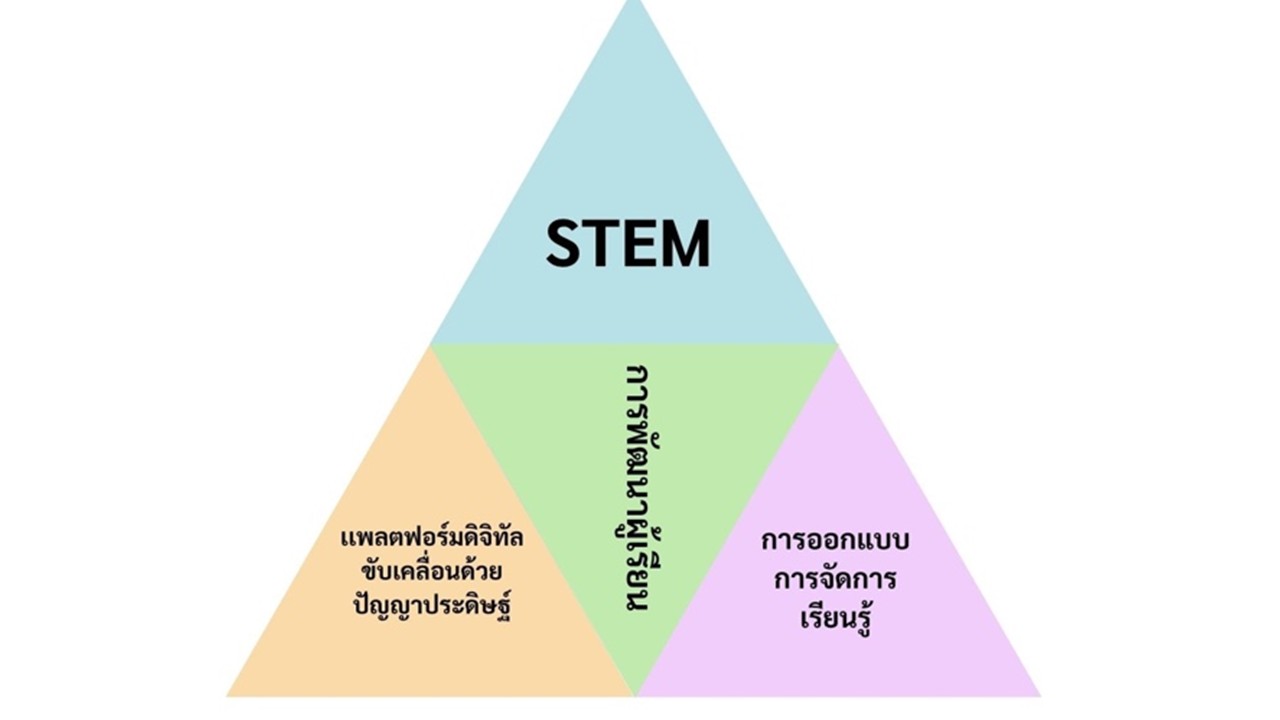
การวิจัยครั้งนี้เป็นการวิจัยและพัฒนา มีวัตถุประสงค์เพื่อ 1) ศึกษาสภาพปัจจุบัน ปัญหา และความต้องการของครูในการจัดการเรียนรู้แบบ STEM 2) ออกแบบและพัฒนาแพลตฟอร์มดิจิทัลที่ขับเคลื่อนด้วยปัญญาประดิษฐ์ (AI-driven platform) เพื่อสนับสนุนการออกแบบการจัดการเรียนรู้แบบ STEM และ 3) ศึกษาประสิทธิภาพของแพลตฟอร์มและแนวทางการนำไปใช้ การวิจัยแบ่งเป็น 3 ระยะ ได้แก่ (1) ศึกษาบริบทและความต้องการของครู 30 คน ด้วยแบบสอบถามและสัมภาษณ์เชิงลึก (2) ออกแบบกรอบแนวคิดและพัฒนาแพลตฟอร์ม EDSTEM โดยใช้ Prompt Engineering และเทคโนโลยี Cloud Infrastructure พร้อมประเมินโดยผู้เชี่ยวชาญ และ (3) ประเมินประสิทธิภาพของแพลตฟอร์มโดยผู้เชี่ยวชาญ 3 ด้าน และผู้ใช้จริง 30 คน ผลการวิจัยพบว่า 1) สภาพการจัดการเรียนรู้ STEM อยู่ในระดับปานกลางมีค่าเฉลี่ยเท่ากับ 3.31 โดยครูมีความมั่นใจสูงในด้านการจัดการเรียนการสอนมีค่าเฉลี่ยเท่ากับ 3.97 และการออกแบบกิจกรรมมีค่าเฉลี่ยเท่ากับ 3.77 แต่มีจุดอ่อนด้านการวัดผล ความเข้าใจใน STEM และการได้รับการสนับสนุน 2) กรอบแนวคิดของแพลตฟอร์มได้รับการประเมินว่าสอดคล้องกับทฤษฎีในระดับสูงมากมีค่าเฉลี่ยเท่ากับ 4.53 โดยพัฒนาเครื่องมือหลัก 3 ส่วน ได้แก่ เครื่องมือสร้างแผนการสอน เครื่องมือสร้างแบบทดสอบ และผู้ช่วย AI 3) แพลตฟอร์ม EDSTEM มีประสิทธิภาพสูงทั้งด้านเนื้อหา การออกแบบ และฟังก์ชัน มีค่าเฉลี่ยเท่ากับ 4.40–4.58 ช่วยตอบสนองความต้องการของครูได้อย่างมีประสิทธิภาพ
คำสำคัญ: แพลตฟอร์มดิจิทัล, ปัญญาประดิษฐ์, การเรียนรู้แบบ STEM, การออกแบบการจัดการเรียนรู้
Article Details

อนุญาตภายใต้เงื่อนไข Creative Commons Attribution-NonCommercial-NoDerivatives 4.0 International License.
