
The Study of Emotional Intelligence of School Administrators
Article Sidebar
Main Article Content
Abstract
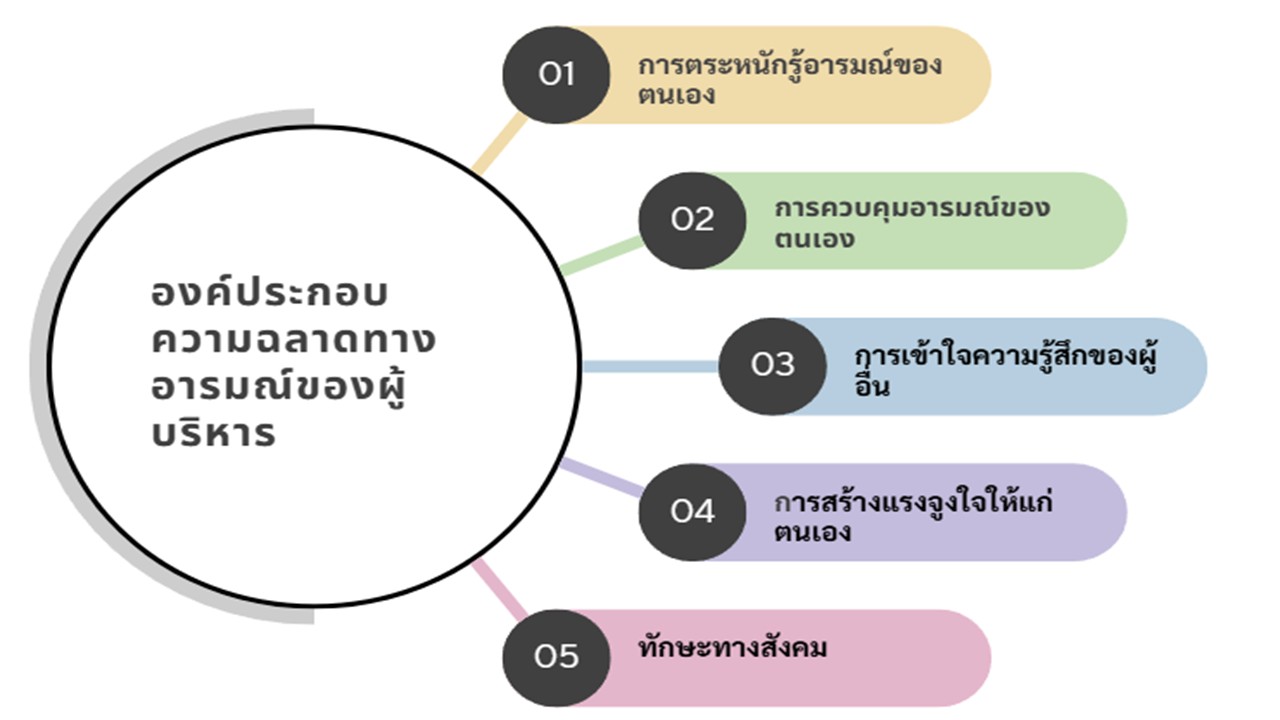
This research article aimed to identify the components of emotional intelligence of school administrators. The process of the study was divided into two steps: 1. Study documents related to concepts, theories, and research from 10 sources in order to synthesize elements; Step 2: assessing the suitability of the components of the emotional intelligence of school administrators by 5 experts. The tools used in the research are: a document synthesis tool and a questionnaire. It is an estimation scale type with 5 statistical levels. Statistics used in data analysis were frequency, percentage, mean, and standard deviation. The research findings revealed that the emotional intelligence of school administrators comprised five components: 1. Self-awareness, 2. Self-regulation, 3. Empathy, 4. Self-motivation, and 5. Social skills. All components were deemed highly appropriate by the participants involved in the assessment. The findings provide valuable implications for both school administrators and supervisory agencies, serving as a foundation for evaluation, development, and strategic planning aimed at enhancing the emotional intelligence of school administrators.
Keywords: Emotional Intelligence, School Administrator, Emotional Self-awareness, Emotional Self-regulation
Article Details

This work is licensed under a Creative Commons Attribution-NonCommercial-NoDerivatives 4.0 International License.
References
กร ศิริโชควัฒนา. (2561). E.Q.การบริหารอารมณ์อย่างฉลาด. กรุงเทพฯ:ซิซินี อินเตอร์เนชั่นแนล.
จีรนันท์ จันทร์เจ็ก. (2564). การศึกษาความฉลาดทางอารมณ์ของผู้บริหารสถานศึกษา สังกัดสำนักงานเขตพื้นที่การศึกษาประถมศึกษานครสวรรค์ เขต 3. วิทยานิพนธ์ ค.ม.นครสวรรค์: มหาวิทยาลัยราชภัฏนครสวรรค์.
ชนิกานต์ สมโภชน์. (2568).การศึกษาความฉลาดทางอารมณ์ของผู้บริหารสถานศึกษา สังกัดสำนักงานเขตพื้นที่การศึกษาประถมศึกษาชัยภูมิ เขต 2.วิทยานิพนธ์ ค.ม.ชัยภูมิ: มหาวิทยาลัยราชภัฏชัยภูมิ.
ชาปิยา สิมลา. (2563).ความฉลาดทางอารมณ์ของผู้บริหารกับคุณภาพชีวิตในการทำงานของครู สังกัดสำนักงานเขตพื้นที่การศึกษาประถมศึกษาสมุทรสาคร.วิทยานิพนธ์ ศษ.ม.นครปฐม: มหาวิทยาลัยศิลปากร.
บุญชม ศรีสะอาด. (2560). การวิจัยเบื้องต้น. (พิมพ์ครั้งที่ 10). กรุงเทพฯ: สุวีริยาสาส์น.
ปฐมวิทย์ วิธิรวาท. (2565).ความฉลาดทางอารมณ์ของผู้บริหารสถานศึกษา สังกัดสำนักงานเขตพื้นที่การศึกษาประถมศึกษาพะเยา เขต 1. วิทยานิพนธ์ ค.ม.พะเยา: มหาวิทยาลัยพะเยา.
ปวีณา บุศยรัตน์. (2565). ความฉลาดทางอารมณ์ของผู้บริหารโรงเรียนสถานศึกษาตามการรับรู้ ของครูผู้สอน
สังกัดสำนักงานเขตพื้นที่การศึกษาประถมศึกษาตราด.วิทยานิพนธ์ ค.ม.จันทบุรี: มหาวิทยาลัยราชภัฏรำไพพรรณี.
วิชญพงศ ไชยธิกุลโรจน์. (2564). ผู้บริหารสถานศึกษากับการพัฒนาตัวบ่งชี้ความฉลาดทาง
อารมณ์และสังคม. วารสารการวัดประเมินผลวิจัยและสถิติทางสังคมศาสตร์. 2(1), 17-26.
อนุพล สนมศรี. (2565).ความฉลาดทางอารมณ์ของผู้บริหารสถานศึกษาที่ส่งผลต่อบรรยากาศ องค์การในโรงเรียน สังกัดสำนักงานเขตพื้นที่การศึกษา ประถมศึกษานครพนม เขต 2.วิทยานิพนธ์ ค.ม.สกลนคร: มหาวิทยาลัยราชภัฏสกลนคร.
อังค์วรา สายแสงจันทร์.(2565). โมเดลสมการโครงสร้างความฉลาดทางอารมณ์ของผู้บริหารสถานศึกษาที่ส่งผลต่อแรงจูงใจในการปฏิบัติงานของครูในโรงเรียนประถมศึกษา สังกัดสานักงานเขตพื้นที่การศึกษาประถมศึกษาขอนแก่น เขต 4.วิทยานิพนธ์ ศษ.ม.ขอนแก่น:มหาวิทยาลัยขอนแก่น.
อัญชลีพร เก้าลิ้ม. (2566).ความฉลาดทางอารมณ์ของผู้บริหารที่ส่งผลต่อการบริหารงานวิชาการในสถานศึกษา สังกัดสำนักงานเขตพื้นที่การศึกษาประถมศึกษา นครปฐม เขต 1.วิทยานิพนธ์ ค.ม.นครปฐม:มหาวิทยาลัยราชภัฏนครปฐม.
Bar-On R. & Parker J. D. A. (2002) .The Handbook of Emotional Intelligence.
SanFrancisco:Jossey-Bass.
Cooper, R. & Sawaf.(1997).Executive E.Q.:Emotional Intelligence in Leadership and Organization. New York : Grosset and Putnam.
Goleman, D. (1995). Emotional intelligence: Why it can matter more than IQ. New York: Bantam Books.
Goleman, B. & McKee. (2004). Primal Leadership: Learning to Lead with Emotional Intelligence. Boston:Harvard Business School Press.
Mayer, J. D., & Salovey, P. (1997). What is emotional intelligence? In D. Goleman
(Ed.), Emotional development and emotional intelligence (pp. 3–31).
New York: Basic Books.
Sholihah et al., (2020). Development of Interactive Multimedia Learning Courseware to
Strengthen Students’ Character. European Journal of Educational Reseach, 9(3),
-1279.
