
ศิลปกรรมร่วมสมัยพหุสัมผัส: การนำเสนอโขนกินได้ผ่านเครื่องดื่มชา
Article Sidebar
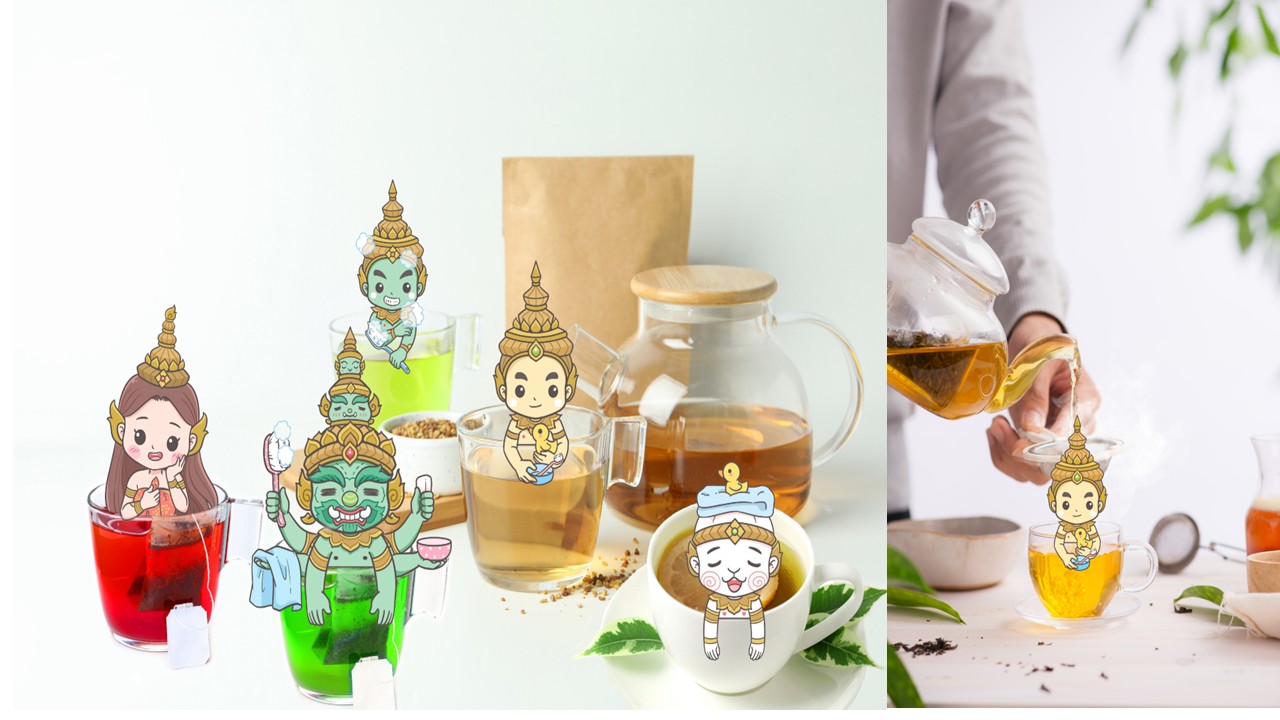
Main Article Content
บทคัดย่อ
ศิลปกรรมร่วมสมัยในยุคปัจจุบันได้ก้าวข้ามขอบเขตเดิมของการมองเห็นและการฟัง โดยเพิ่มการมีส่วนร่วมผ่านประสาทสัมผัสอื่น เช่น การดมกลิ่น การสัมผัส และรสชาติ "ชา" ซึ่งเป็นเครื่องดื่มที่มีบทบาทสำคัญในวัฒนธรรมหลายแห่งทั่วโลก ได้กลายเป็นสื่อกลางสำคัญที่ศิลปินใช้ถ่ายทอดแนวคิดและสร้างสรรค์ผลงาน การดื่มชาถูกยกระดับเป็นประสบการณ์ศิลปะในหลากหลายรูปแบบ เช่น การจัดแสดง "พิธีชาร่วมสมัย" ที่ผสมผสานพิธีกรรมดั้งเดิมเข้ากับองค์ประกอบของศิลปะสมัยใหม่ ผู้ชมไม่เพียงได้รับชมการร่ายรำที่งดงาม แต่ยังได้สัมผัสกลิ่นหอมและรสชาติของชาที่มีการออกแบบพิเศษให้สื่อถึงอารมณ์และเรื่องราวที่ซ่อนอยู่ในงานศิลปะ ในอีกมิติหนึ่งชายังถูกนำมาใช้ในงานศิลปะเชิงทดลอง เช่น การนำใบชามาเป็นส่วนหนึ่งของวัสดุสร้างสรรค์ในงานจิตรกรรม หรือการสร้างกลิ่นชาในห้องจัดแสดงเพื่อกระตุ้นความทรงจำและอารมณ์ของผู้ชม ทำให้ผู้ชมสามารถเชื่อมโยงกับวัฒนธรรมผ่านการรับรู้ที่ลึกซึ้ง ศิลปกรรมร่วมสมัยกับชาจึงเป็นตัวอย่างของการผสมผสานศิลปะ วัฒนธรรม และประสบการณ์พหุสัมผัสที่ลงตัว มันไม่เพียงเปิดมิติใหม่ในการสร้างสรรค์ แต่ยังเป็นการเชื่อมโยงความงามของศิลปะกับวัฒนธรรมแห่งการดื่มชาที่อยู่คู่กับมนุษยชาติมาอย่างยาวนาน
คำสำคัญ: ศิลปกรรมร่วมสมัย, พหุสัมผัส, โขน, เครื่องดื่มชา
Article Details

อนุญาตภายใต้เงื่อนไข Creative Commons Attribution-NonCommercial-NoDerivatives 4.0 International License.
เอกสารอ้างอิง
กิฟลี วรรณจิยี. (2538). จิตวิทยาทั่วไป. กรุงเทพมหานคร: ศูนย์หนังสือเกรียงไกร.
กรินทร์ กรินทสุทธิ์. (2558). ปัจจัยต่อการเปลี่ยนแปลง พัฒนาการ และความหลากหลายของโขน (ทศวรรษที่ 2480 ถึงปัจจุบัน). มหาวิทยาลัยธรรมศาสตร์.
นฐนกร ธงพุทธามนท์. (2565). วาบิ-ซาบิ กับแนวคิดเรื่องความงามในมุมมองสุนทรียศาสตร์. วารสารปณิธาณ, 18(2), 67-99.
พรเพ็ญ ฮั่นตระกูล. (2541). เศรษฐศาสตร์เรื่อง อ้อยและน้ำตาล : การศึกษาในเชิงประวัติศาสตร์. สหวิทยาการของอ้อยและน้ำตาล. กรุงเทพฯ :โรงพิมพ์ตะวันออก.
ภคมน ตั้งจิตติเลิศ. (2565). การเปลี่ยนรูป "ราชธานีศรีวะนาไล"ผ่านวิธีพหุสัมผัส สู่สุนทรียะเชิงสัมพันธ์. มหาวิทยาลัยบูรพา.
ศิริลักษณ์ บัตรประโคน. (2558). วัยใสหัวใจโขน: การสืบทอดและกลวิธีการสืบทอดศิลปะโขนของไทย. วารสารบัณฑิตศึกษา มนุษยศาสตร์ สังคมศาสตร์, 4(1), 89-126.
Agnieszka Kosińska. (2014). Chapter 12 - Antioxidant Capacity of Tea: Effect of Processing and Storage. Processing and Impact on Antioxidants in Beverages 2014, 109-120.
Cottinton. (2011). Modern Art: A Very Short Introduction. Thai Translate by Jaranya Triamanurak. Bangkok: Open worlds.
Fischer-Lichte. (2014). Is everything theatre. Theatre and Performance Studies. English, Oxon: Routledge.
Marchel Duchamp. (1957). The Creative Act. in: Conservation of the American Federation of Arts. Organised by American Federation of Arts. Texas: Shamrock-Hilton (Houston).
Ripples. (2024). Creative Juices: The Fascinating World of Coffee Art Painting. https://www.drinkripples.com/blog/creative-juices-the-fascinating- world-of-coffee- art-painting
Spelke. (1985). The Development of Intermodel Perception, In Handbook of Infant Perception. New York: Academic Press.
YI YUAN LIN. (2562). การออกแบบชุดชงชาเครื่องเคลือบสีขาว “เต๋อฮว่า” ขนาดพกพาสำหรับกลุ่มนักท่องเที่ยววัยรุ่นชาวจีน. มหาวิทยาลัยบูรพา.
