
The Results of Water and Sand Play Activities on Basic Mathematics Skills for Early Childhood Children at Ban Huai Haeng Child Development Center
Article Sidebar
Main Article Content
Abstract
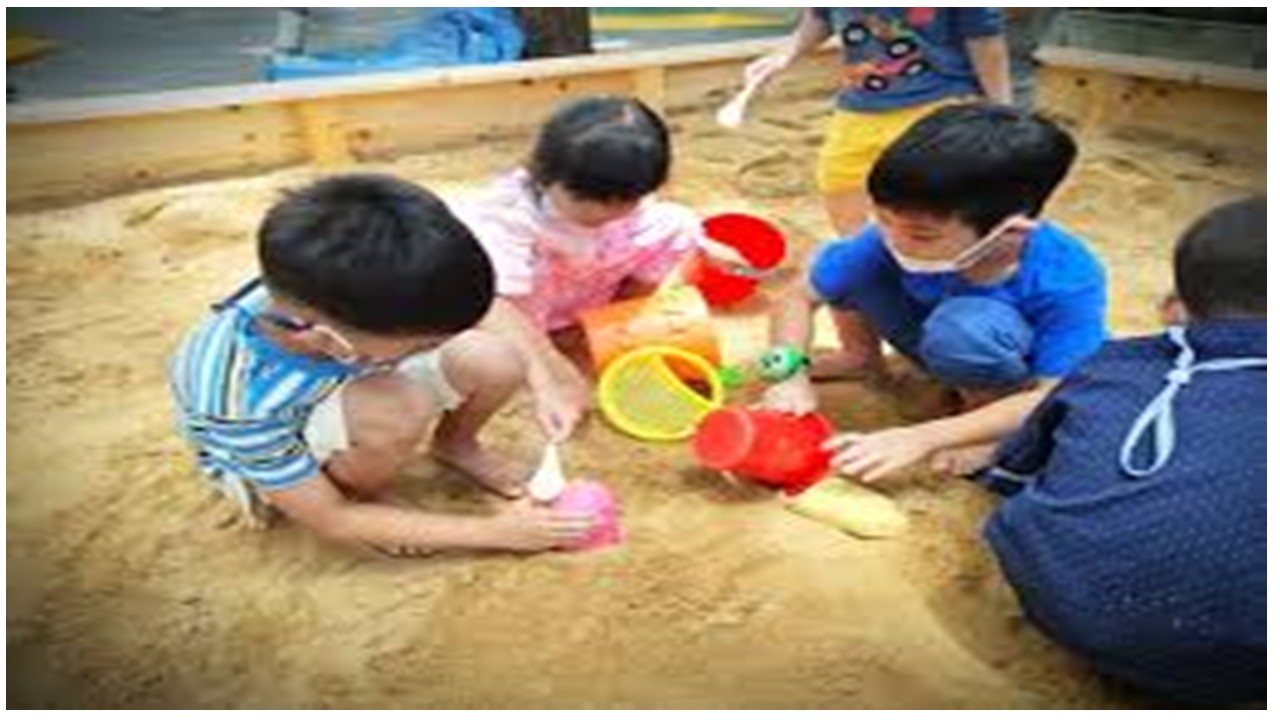
This study aimed to compare the basic mathematics skills of early childhood children before and after participating in water and sand play activities. The sample consisted of 22 preschool children aged 3–4 years studying in Kindergarten 2 during the first semester of the 2025 academic year at Ban Huai Haeng Child Development Center, Khanechi Subdistrict Administrative Organization, Mae Ramat District, Tak Province. The participants were selected by cluster random sampling. The research instruments included (1) a guide for organizing water and sand play activities consisting of 32 lesson plans, conducted twice a week for 30 minutes per session over eight weeks, and (2) a basic mathematics skills test for early childhood children. The test was examined for content validity by experts using the Index of Item-Objective Congruence (IOC). Data were analyzed using mean, standard deviation, and the Sign Test. The results revealed that the basic mathematics skills of preschool children after participating in water and sand play activities were significantly higher than before the experiment at the .01 level.
Keywords: Water and Sand Play Activities, Basic Mathematics Skills, Early Childhood Children
Article Details

This work is licensed under a Creative Commons Attribution-NonCommercial-NoDerivatives 4.0 International License.
References
กระทรวงศึกษาธิการ สำนักงานคณะกรรมการการศึกษาขั้นพื้นฐาน สำนักวิชาการและมาตรฐานการศึกษา. (2561). หลักสูตรการศึกษาปฐมวัย พุทธศักราช 2560. กรุงเทพฯ: โรงพิมพ์คุรุสภา.
กุลยา ตันติผลาชีวะ. (2560). การสอนคณิตศาสตร์สำหรับเด็กปฐมวัย. กรุงเทพฯ: เอดิสันเพรสโปรดักส์.
กุลยา ตันติผลาชีวะ. (2561). การจัดประสบการณ์การเรียนรู้สำหรับเด็กปฐมวัย. กรุงเทพฯ: เอดิสันเพรสโปรดักส์.
คมขวัญ อ่อนบึงพร้าว. (2560). การพัฒนาทักษะพื้นทางคณิตศาสตร์เด็กปฐมวัยโดยใช้รูปแบบกิจกรรมศิลปะสร้างสรรค์เพื่อการเรียนรู้. การศึกษามหาบัณฑิต สาขาวิชาหลักการศึกษาปฐมวัย มหาวิทยาลัยศรีนครินทรวิโรฒ.
บุปผา เรืองรอง. (2561). การวิจัยและพัฒนาเพื่อพัฒนาครูและโรงเรียนเครือข่ายการฝึกประสบการณ์วิชาชีพครู ของมหาวิทยาลัยราชภัฏนครศรีธรรมราช. คณะศึกษาศาสตร์ มหาวิทยาลัยราชภัฏนครศรีธรรมราช.
ประพันธ์สิริ สุเสารัจ. (2563). การพัฒนาการคิด (ฉบับปรับปรุงใหม่).กรุงเทพฯ. สำนักพิมพ์:ศุนย์หนังสือจุฬา.
พัชรี ผลโยธิน. (25560). แหล่งเรียนรู้เพื่อส่งเสริมการเล่นสำหรับเด็กปฐมวัย. ในประมวลสาระวิชา การเล่น ของเล่นและเครื่องเล่นสำหรับเด็กปฐมวัย. หน่วยที่ 15. (พิมพ์ครั้งที่ 2). นนทบุรีสาขาวิชาศึกษาศาสตร์ มหาวิทยาลัยสุโขทัยธรรมาธิราช.
รุ่งนภา อัมรัตน์. (2565). การจัดประสบการณ์เรียนรู้โดยใช้กิจกรรมการเล่นทรายเพื่อพัฒนาความสามารถ ด้านการใช้กล้ามเนื้อเล็กของนักเรียนระดับอนุบาลปีที่ 2 โรงเรียนบ้านแพงสะพัง. กรุงเทพฯ: คุรุสภาวิทยาจารย์.
สำนักงานรับรองมาตรฐานและประเมินคุณภาพการศึกษา. (2566). รายงานการประเมินคุณภาพภายนอกรอบสี่ (พ.ศ. 2562-2566) โรงเรียนบ้านโชคชัยพัฒนา กรุงเทพฯ:
สิริมา ภิญโญอนันตพงษ์. (2560). การศึกษาปฐมวัย. กรุเทพฯ : มหาวิทยาลัยราชภัฏสวนดุสิต.
อารมณ์ สุวรรณปาล. (2560). การจัดประสบการณ์เพื่อพัฒนาเด็กปฐมวัยดามความคิดสร้างสรรค์. ในประมวลสาระชุดวิชาการจัดประสบการณ์สำหรับเด็กปฐมวัย. หน่วย ที่ 8. (พิมพ์ครั้งที่ 3). นนทบุรี: สาขาวิชาศึกษาศาสตร์ มหาวิทยาลัยสุโขทัย ธรรมาธิราช.
Masiow,A.H. and Rogers,C.R.(1970). Motivation and personality.2. ed.New York: Harper & Row.
Torrance, E.P. (1962). Education and Creative Potential Minneapolis. The University of Minnesota Press.
UNESCO-UNEP. (1983). Glossary of environmental education terms. Paris: UNESC.
