Leadership Strategies and Local Management for Sustainable Collaborative Smart City Development
Keywords:
Leader, Local Administration, Smart City, SustainabilityAbstract
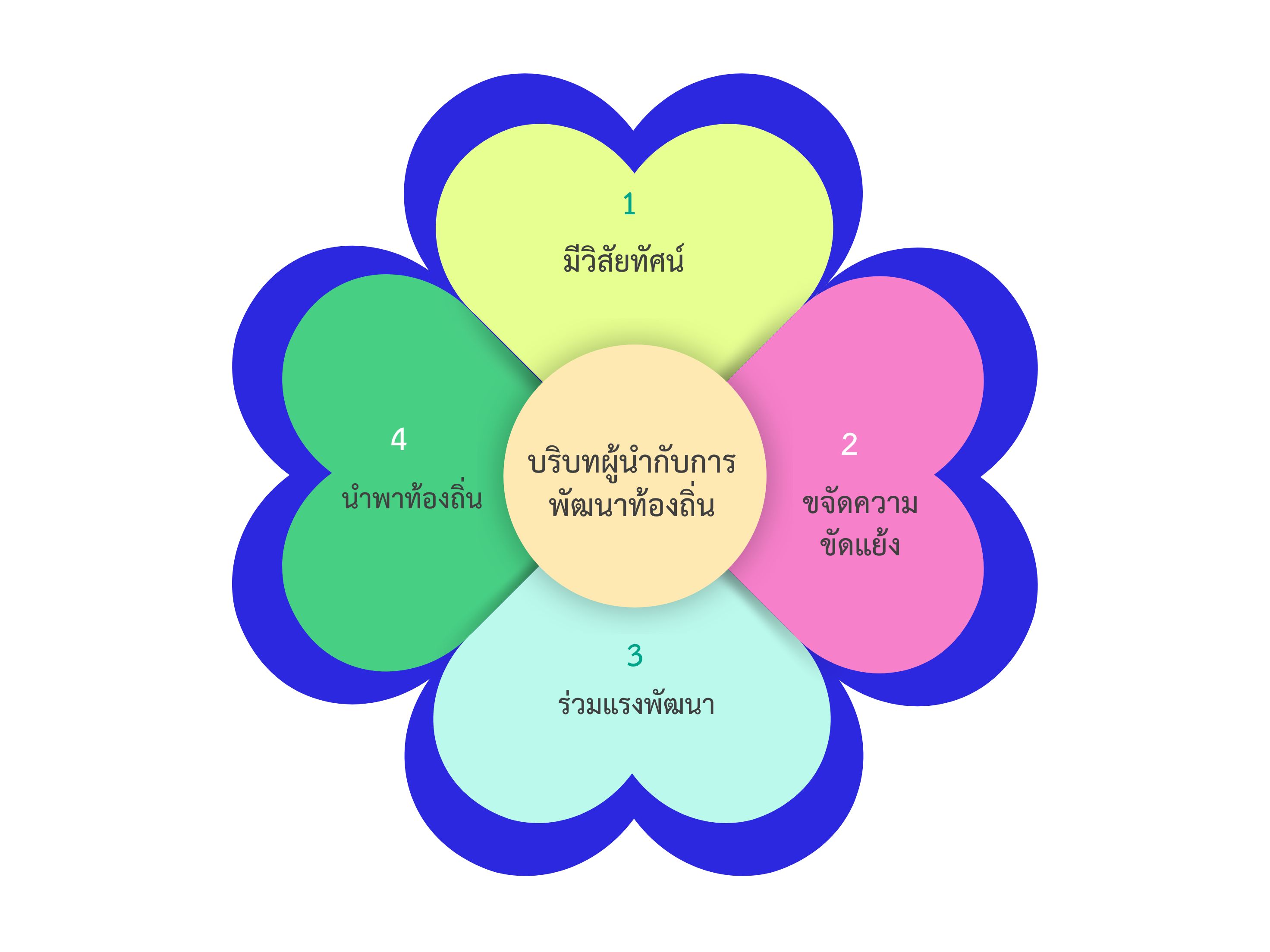
In this academic article, the author has studied the leadership strategies in local management for sustainable collaborative smart city development with the objective of studying the important role of leaders in building partnerships and sustainability and the important duties of leaders in local management for smart city development Leaders must have a clear vision and greater responsibility to formulate and promote appropriate development policies and approaches for smart cities, striving to create a sustainable society and connected to the needs of local people, with the creation of Confidence and understanding of plans and policies that create smart cities by providing opportunities for citizens to participate in decision-making. Leaders should focus on communication and creating appropriate channels for participation in the decision-making process. Because leadership plays an important role in the context of local development to ensure the economic, social, and environmental well-being of citizens of a specific geographic area such as a city, region, or community, effective leadership is essential for guiding it. and facilitating leadership development is an important component of local development. Leaders in this context must have a vision. community oriented Collaborate to drive positive change and improve wellbeing in their area. Good leaders can manage resources and personnel professionally, plan and operate in line with national goals and strategies, can show credibility and play an important role in the development of local communities, being an example for local people and able to persuade them. Follow this to build confidence among local people.
References
จรูญ เจริญเนตรกุล และคณะ. (2564). การพัฒนาศักยภาพพื้นที่เมืองและโครงสร้างพื้นฐานรองรับยุทธศาสตร์เมืองอัจฉริยะของเทศบาลนครสงขลา. (รายงานการวิจัย). สงขลา: มหาวิทยาลัยเทคโนโลยีราชมงคลศรีวิชัย.
นฤมล จิตรเอื้อ. (2560). บทบาทภาวะผู้นำในการพัฒนาองค์การสู่องค์การแห่งการเรียนรู้. วารสารมหาวิทยาลัยเทคโนโลยีราชมงคลธัญบุรี ฉบับภาษาไทย สาขามนุษยศาสตร์ สังคมศาสตร์ และศิลปะ, 10(2), 1738-1754.
พระธรรมปิฎก (ป.อ.ปยุตโต). (2546). ภาวะผู้นำความสำคัญต่อการพัฒนาคน พัฒนาประเทศ. กรุงเทพฯ: ธรรมสภา.
พิชญ์ณิฐา พรรณศิลป์ และคณะ. (2558). บทบาทของผู้บริหารท้องถิ่นในศตวรรษที่ 21. วารสารสันติศึกษาปริทรรศน์ มจร, 3(2), 146-161.
มหาวิทยาลัยรังสิต. (2566). ทัศนวิสัยของผู้นำที่ดี. เข้าถึงได้จาก https://rbs.rsu.ac.th
วงษ์สิริ เรืองศรี และคณะ. (2565). การเสริมศักยภาพผู้นําจิตอาสาเพื่อการพัฒนาที่ยั่งยืนในบริบทชุมชนประเทศไทย. วารสารสังคมศาสตร์และมานุษยวิทยาเชิงพุทธ, 7(7), 16-32.
สมพงษ์ เกศานุช และคณะ. (2562). บทบาทผู้นำกับกระบวนทัศน์ในการพัฒนาชุมชน. วารสารศิลปศาสตร์ราชมงคลสุวรรณภูมิ, 1(3), 293-306.
อรทัย ก๊กผล. (2552). คู่คิด คู่มือการมีส่วนร่วมของประชาชน สำหรับนักบริหารท้องถิ่น. กรุงเทพฯ: จรัญสนิทวงศ์.