การพัฒนารูปแบบโรงเรียนคุณธรรมเพื่อส่งเสริมคุณภาพผู้เรียนในยุคดิจิทัล โรงเรียนขามสะแกแสง สำนักงานเขตพื้นที่การศึกษามัธยมศึกษานครราชสีมา
คำสำคัญ:
การพัฒนารูปแบบ, โรงเรียนคุณธรรม, คุณภาพผู้เรียนในยุคดิจิทัลบทคัดย่อ
การวิจัยครั้งนี้ มีวัตถุประสงค์เพื่อ 1) ศึกษาข้อมูลพื้นฐานรูปแบบโรงเรียนคุณธรรมเพื่อส่งเสริมคุณภาพผู้เรียนในยุคดิจิทัล 2) สร้างและพัฒนารูปแบบโรงเรียนคุณธรรมเพื่อส่งเสริมคุณภาพผู้เรียนในยุคดิจิทัล 3) ทดลองใช้รูปแบบโรงเรียนคุณธรรมเพื่อส่งเสริมคุณภาพผู้เรียนในยุคดิจิทัล และ 4) ประเมินคุณภาพผู้เรียนและรูปแบบโรงเรียนคุณธรรมเพื่อส่งเสริมคุณภาพผู้เรียนในยุคดิจิทัล เป็นการวิจัยและพัฒนา (R&D) กลุ่มเป้าหมาย ได้แก่ ผู้บริหารสถานศึกษา และครู จำนวน 68 คน ผู้เชี่ยวชาญ 5 คน ศึกษาจากโรงเรียนคุณธรรมต้นแบบ 1 โรงเรียน และผู้เชี่ยวชาญในการสนทนากลุ่ม 10 คน โดยการเลือกแบบเจาะจง เครื่องมือที่ใช้ในการวิจัย ได้แก่ แบบสอบถาม แบบสัมภาษณ์แบบกึ่งมีโครงสร้าง แบบบันทึกการสนทนากลุ่มผู้เชี่ยวชาญ มีค่าความเชื่อมั่นเท่ากับ .91 สถิติที่ใช้ในการวิเคราะห์ข้อมูล ได้แก่ ค่าความถี่ ค่าร้อยละ ค่าเฉลี่ย ส่วนเบี่ยงเบนมาตรฐาน ค่า PNI modified การวิเคราะห์เนื้อหา
ผลการวิจัยพบว่า
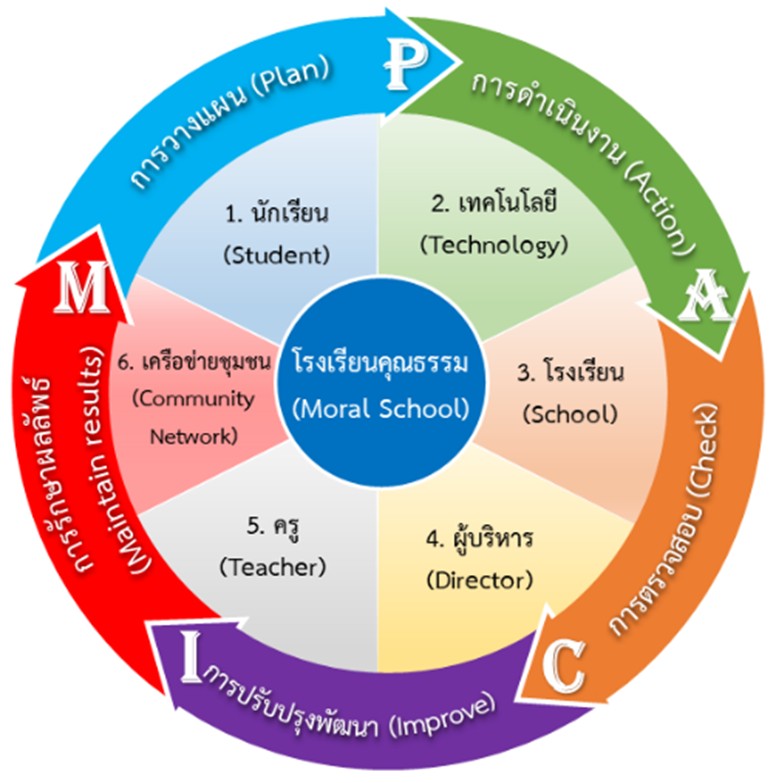
1. ข้อมูลพื้นฐานรูปแบบโรงเรียนคุณธรรมเพื่อส่งเสริมคุณภาพผู้เรียนในยุคดิจิทัล พบว่า 1) องค์ประกอบของรูปแบบโรงเรียนคุณธรรม มี 6 องค์ประกอบ 2) มาตรฐานโรงเรียนคุณธรรม มี 6 ด้าน 3) กระบวนการพัฒนาโรงเรียนคุณธรรมด้วย PACIM Model มี 5 ขั้นตอน 4) การประเมินองค์ประกอบโดยผู้เชี่ยวชาญ 5) สภาพที่เป็นจริงและสภาพที่ควรจะเป็น และ 6) แนวปฏิบัติที่ดี (Best Practice)
2. รูปแบบการพัฒนาโรงเรียนคุณธรรม มี 6 องค์ประกอบ ได้แก่ 1) หลักการของรูปแบบ 2) วัตถุประสงค์ของรูปแบบ 3) เนื้อหาของรูปแบบ 4) วิธีดำเนินการของรูปแบบ 5) การประเมินรูปแบบ และ 6) เงื่อนไขสำหรับการนำรูปแบบไปใช้ และคู่มือการใช้รูปแบบ มีทั้งหมด 4 ส่วน คือ 1) บทนำ 2) สาระของรูปแบบ 3) การนำรูปแบบไปใช้ และ 4) เกณฑ์การประเมิน
3. ทดลองใช้รูปแบบโรงเรียนคุณธรรมเพื่อส่งเสริมคุณภาพผู้เรียนในยุคดิจิทัล พบว่า ผู้เข้ารับการอบรมมีความรู้เกี่ยวกับเนื้อหาสาระของรูปแบบ และความเข้าใจในบทบาทหน้าที่ตนเองตามองค์ประกอบหลักของรูปแบบสูงขึ้น
4. ประเมินคุณภาพผู้เรียนและรูปแบบโรงเรียนคุณธรรมเพื่อส่งเสริมคุณภาพผู้เรียนในยุคดิจิทัล พบว่า ผลการประเมินความเป็นไปได้อยู่ในระดับมาก และความเป็นประโยชน์ของการพัฒนาโรงเรียน โดยภาพรวมอยู่ในระดับมากที่สุด
เอกสารอ้างอิง
กระทรวงศึกษาธิการ. (2564). ประกาศกระทรวงศึกษาธิการ เรื่อง นโยบายและจุดเน้นของกระทรวงศึกษาธิการ ประจำปีงบประมาณ พ.ศ. 2566 (27 ธันวาคม 2562ข). ม.ป.ท.
จุฑามาศ พันสวรรค์. (2562). การพัฒนารูปแบบการมีส่วนร่วมของคณะกรรมการสถานศึกษาในการบริหารจัดการศูนย์พัฒนาเด็กเล็ก เทศบาลนครเชียงใหม่. (วิทยานิพนธ์ครุศาสตรมหาบัณฑิต). เชียงใหม่: มหาวิทยาลัยราชภัฏเชียงใหม่.
ชาญชิต ทัพหมี. (2564). รูปแบบการพัฒนาการบริหารโรงเรียนคุณธรรม สังกัดสำนักงานเขตพื้นที่การศึกษาประถมศึกษาในเขตภาคเหนือ. (วิทยานิพนธ์การศึกษาดุษฎีบัณฑิต). พิษณุโลก: มหาวิทยาลัยนเรศวร.
ธิตินัดดา สิงห์แก้ว. (2562). การพัฒนาระบบดูแลช่วยเหลือนักเรียนโดยใช้วงจร PDCA: กรณีศึกษา โรงเรียนวัดป่าตึงห้วยยาบ อำเภอบ้านธิ จังหวัดลำพูน. (วิทยานิพนธ์ครุศาสตรมหาบัณฑิต). เชียงใหม่: มหาวิทยาลัยราชภัฏเชียงใหม่.
บุญชม ศรีสะอาด. (2543). การวิจัยเบื้องต้น. กรุงเทพฯ: สุวีรยาสาส์น.
บุษยมาศ ช่วงชู. (2565). การวิจัยและพัฒนาความเป็นโรงเรียนคุณธรรมของโรงเรียนบางตะบูนวิทยา สังกัดสำนักงานเขตพื้นที่การศึกษามัธยมศึกษาเพชรบุรี. วารสาร มจร อุบลปริทรรศน์, 8(2), 1451-1468.
สำนักงานสภาพัฒนาการเศรษฐกิจและสังคมแห่งชาติ. (2565). เป้าหมายที่ 12 สร้างหลักประกันให้มีแบบแผนการผลิตและการบริโภคที่ยั่งยืน. เข้าถึงได้จาก http://sdgs.nesdc.go.th