Media and Thai Politics
Keywords:
Media, Politics ThaiAbstract
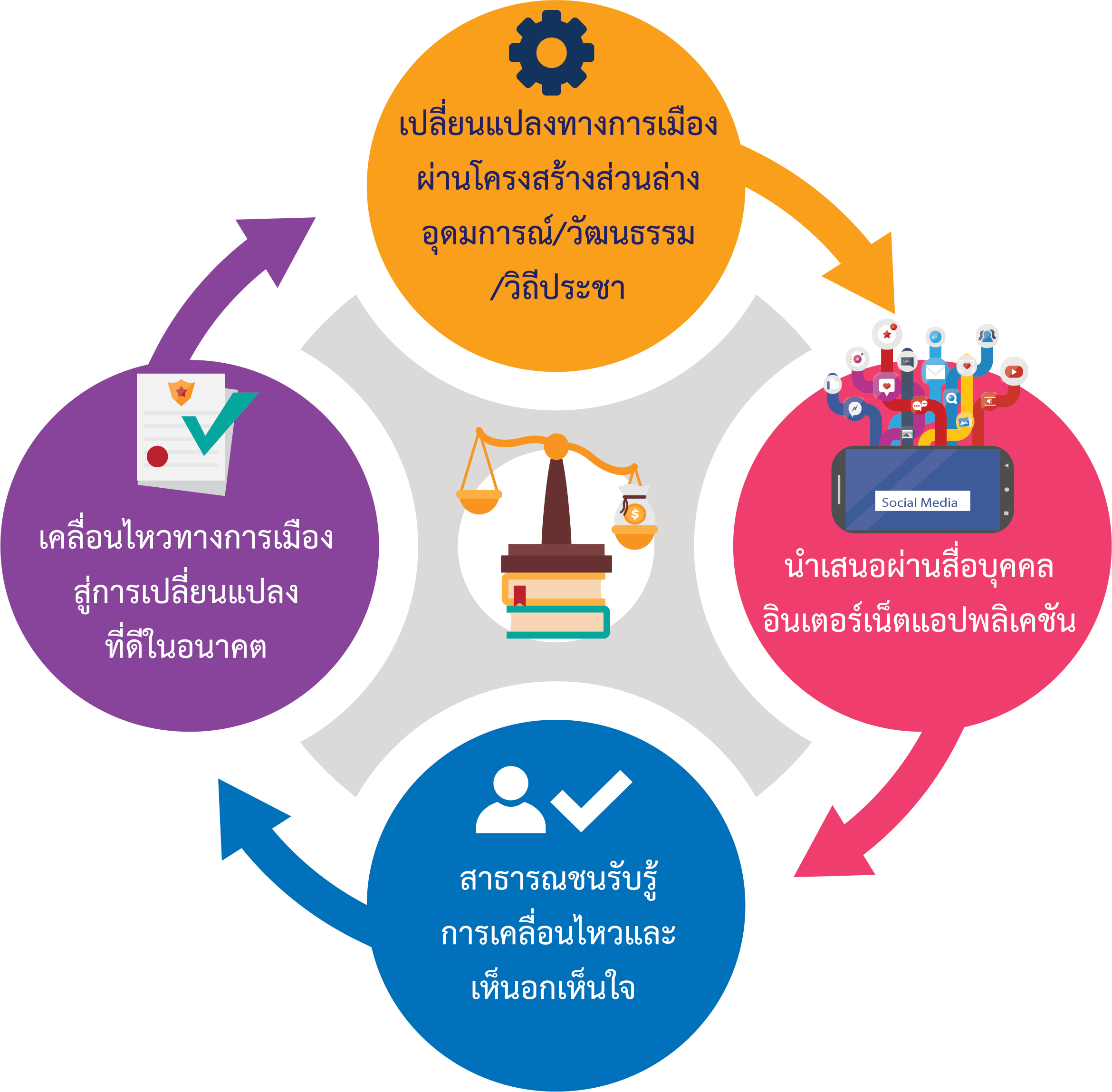
This academic article examines the role of media in the context of Thai politics through secondary data, including research articles, academic papers, and books. The objectives are to: 1) present perspectives on the media's influence on Thai politics, 2) understand the meaning of "media" as a political process impacting individuals, mass media, traditional and new social media, and online platforms, and 3) explore the development of the relationship between media and Thai politics from 1992 to 2024.
The findings indicate that the Media Ethics Act of 2018 has facilitated the media's significant role in political campaigns, including electioneering, image building, and vote attraction, while providing a platform for public participation in national development issues and public policy critiques. Key phenomena include the use of hashtags on online media, flash mob protests, and protest dispersals, which reflect the use of media to create trends and advocate for political party policies.
This article highlights the influence of media in political communication processes and proposes opportunities for further comparative studies on the role of media in future Thai political scenarios.
References
กาญจนา แก้วเทพ. (2547). การศึกษาสื่อสารมวลชนด้วยทฤษฎีวิพากษ์. กรุงเทพฯ: เลิฟ แอนด์ลิฟ.
คันธิรา ฉายาวงศ์. (2564). แนวโน้มการเมืองไทยกับสื่อสังคมออนไลน์ในศตวรรษที่ 21. วารสารเทคโนโลยีสื่อสารมวลชน มทร.พระนคร, 6(1), 97-107.
ฐิตินัน บุญภาพ คอมมอน. (2556). บทบาทของสื่อใหม่ในการสร้างค่านิยมทางสังคมและอัตลักษณ์ของเยาวชนไทยในเขตกรุงเทพมหานคร. (รายงานการวิจัย). กรุงเทพฯ: มหาวิทยาลัยธุรกิจบัณฑิตย์.
นเรศ บัวลอย. (2561). การสื่อสารเพื่อสร้างและต่อรองความหมายของสื่อสาธารณะเพื่อกลุ่มคนชายขอบ: กรณีศึกษาผู้ติดเชื้อเอชไอวี. วารสารมหาวิทยาลัยราชภัฏลำปาง, 7(2), 56-64.
นิพพิชฌน์ เครื่องสนุก. (2567). ยุทธวิธีการเคลื่อนไหวทางการเมืองของกลุ่มคนรุ่นใหม่ในประเทศไทยในปัจจุบัน. วารสารสถาบันวิจัยพิมลธรรม, 11(2), 173-189.
ปรมะ สตะเวทิน. (2540). หลักนิเทศศาสตร์. กรุงเทพฯ: คณะนิเทศศาสตร์ จุฬาลงกรณมหาวิทยาลัย.
พิมลพรรณ ไชยนันท์. (2556). สื่อใหม่กับการสื่อสารทางการเมืองของเยาวชนไทย. วารสารนิเทศศาสตร์, 31(2), 37-59.
เลอภพ โสรัตน์. (2562). บทบาทสื่อมวลชนกับการมีส่วนร่วมทางการเมืองไทย. วารสารการวิจัยกาละลองคำ, 7(1), 95-107.
ศุภกร เชิดชูธีรกุล และสมบูรณ์ สุขสำราญ. (2567). การสื่อสารทางการเมืองผ่านสื่อสังคมออนไลน์ของพรรคก้าวไกลในปัจจุบัน. วารสาร มจร อุบลปริทรรศน์, 9(2), 2303-2314.
สุธิดา พัฒนศรีวิเชียร. (2562). พลังของสื่อสังคมกับการขับเคลื่อนการเมืองเคลื่อนไหวทางสังคมใหม่. วารสารวิชาการมนุษยศาสตร์และสังคมศาสตร์, 27(55), 132-154.
สุเมธ ตั้งประเสริฐ. (2565). กลยุทธ์และวิธีการสื่อสารของพรรคการเมืองไทยผ่านสื่อสังคมออนไลน์ในการเลือกตั้งทั่วไป พ.ศ. 2562. วารสารรัฐศาสตร์ มหาวิทยาลัยราชภัฏสวนสุนันทา, 5(1), 25-38.
เหมือนฝัน คงสมแสวง. (2562). การสื่อสารทางการเมืองของพรรคเพื่อไทยผ่านสื่อสังคมออนไลน์. วารสารบัณฑิตวิทยาลัยรำไพพรรณี, 2(2), 47-58.
อาลี คาน. (2566). นวัตกรรมการสื่อสารกับการมีส่วนร่วมทางการเมืองวิถีใหม่. วารสาร มจร.เลย ปริทัศน์, 4(2), 43-53.
BBC News. (2023). พ.ร.บ. ควบคุมสื่อ: เมื่อรัฐเตรียมกำหนดว่าใครเป็น “สื่อแท้-สื่อเทียม”. เข้าถึงได้จาก https://www.bbc.com/thai/articles/c4n6xgr0299o
DeFleur, M. L., & Ball-Rokeach, S. (1989). Theories of mass communication. (5th ed.). White Plains, New York: Longman.
Lasswell, H. D. (1948). The structure and function of communication in society. In L. Bryson (Ed.) The communication of ideas. New York: Harper & Brothers.
Pye, L. W. (1972). Introduction in Communication and Political Development. New Jersey, NJ: Princeton University Press.