CULA-KAMAVIBHANGA SUTTA: Lessons on Karma and Remedies for Enhancing a Virtuous Life
Keywords:
Chulakammavibhanga Sutta;, Karma;, Life Healing;Abstract
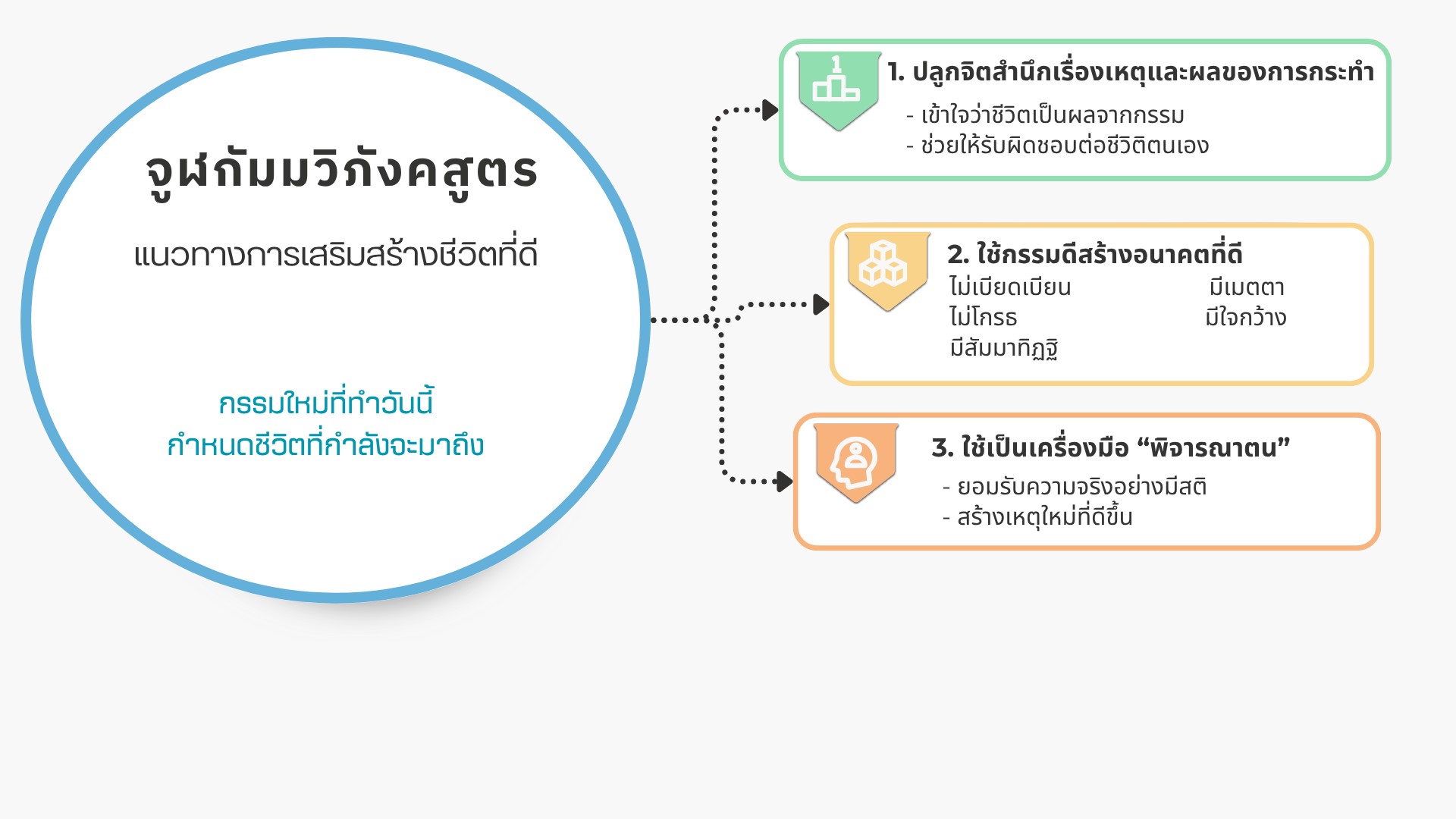
This article aims to explain the background, significance, and practical application of the Cula-kamavibhanga Sutta, a key Buddhist teaching on karma. It highlights how the lessons help promote awareness of the consequences of one’s actions and encourage both personal and social responsibility in modern society. Drawing upon the Tripitaka and relevant academic literature, the study explores practical methods of applying the principles of karma as taught in the Sutta to everyday life.
The findings reveal that in a world marked by diverse thoughts, beliefs, and behaviors, the Cula-kamavibhanga Sutta offers crucial insights into the relationship between good and bad karma and the results they create. The teaching demonstrates how everyday actions, such as careless speech that may lead to conflict, or compassionate gestures that may yield positive outcomes, can lead to immediate and long-term consequences. It also emphasizes key ethical principles such as mindfulness, compassion, forgiveness, and the importance of embracing differences in social status, knowledge, education, and life experience. These factors significantly shape individuals’ attitudes and behaviors and are essential for peaceful coexistence in a diverse society.
Applying the teachings of this Sutta can help individuals cultivate a life of moral balance, mental well-being, and inner stability. It also promotes broader social harmony. It is recommended that the teachings of the Cula-kamavibhanga Sutta should be promoted and disseminated in accessible forms and channels so that they may be practically adopted in various modern contexts. In addition, the study encourages more in-depth exploration of the long-term benefits that the application of principles of karma may bring to society.
References
ปัญญา ใช้บางยาง และโรศะนี เวชประพันธ์. (2561). พระพุทธวจนะคาถาธรรมบทจากพระไตรปิฎก. (พิมพ์ครั้งที่ 2). กรุงเทพฯ: พระพุทธศาสนาของธรรมสภา.
พระธรรมวิสุทธิกวี (พิจิตร ฐิตวณฺโณ). (2549). กฎแห่งกรรม. (พิมพ์ครั้งที่ 10). กรุงเทพฯ: สร้างสรรค์บุ๊ค.
พระพรหมบัณฑิต (ประยูร ธมฺมจิตฺโต). (2557). วิธีบูรณาการพระพุทธศาสนากับศาสตร์สมัยใหม่ พระพุทธศาสนากับความสมานฉันท์แห่งชาติ. กรุงเทพฯ: มหาจุฬาลงกรณราชวิทยาลัย.
พระมหาสุทิตย์ อาภากโร และสายชล ปญญชิต. (2558). รูปแบบการเสริมสร้างสุขภาวะและการเรียนรู้ของสังคมตามแนวพระพุทธศาสนา. Veridian E-Journal, Silpakorn University, 8(1), 958-971.
มหาวิทยาลัยมหาจุฬาลงกรณราชวิทยาลัย. (2539). พระไตรปิฎกภาษาไทย ฉบับมหาจุฬาลงกรณราชวิทยาลัย. กรุงเทพฯ: มหาจุฬาลงกรณราชวิทยาลัย.
มหาวิทยาลัยมหามกุฏราชวิทยาลัย. (2525). พระไตรปิฎกภาษาไทย ฉบับสยามรัฐ (เล่มที่ 14, 15, 17, 20, 23). นครปฐม: มหาวิทยาลัยมหามกุฏราชวิทยาลัย.
สมเด็จพระญาณสังวร สมเด็จพระสังฆราช สกลมหาสังฆปริณายก (เจริญ สุวฑฺฒโน). (2558). ชีวิตนี้น้อยนัก แต่สำคัญนัก. กรุงเทพฯ: เลี่ยงเชียง เพียรเพื่อพุทธศาสน์.
สมเด็จพระพุฒาจารย์ (เกี่ยว อุปเสณมหาเถระ). (2557). คำสอนพระหลวงพ่อสมเด็จฯ เป็นบุญจริงๆ นะ. กรุงเทพฯ: พิมพ์ดี จำกัด.
สมเด็จพระพุทธโฆษาจารย์ (ป.อ.ปยุตฺโต). (2559). พจนานุกรมพุทธศาสน์ ฉบับประมวลศัพท์. (พิมพ์ครั้งที่ 27). กรุงเทพฯ: พระพุทธศาสนาของธรรมสภา.