The Application of Buddhist Ethics to the Coffee Shop Business in Mueang District, Nakhon Ratchasima Province
Keywords:
Buddhist Ethics;, Coffee Shop Business;, ApplyingAbstract
The objectives of this study were: (1) to examine Buddhist ethics in coffee shop businesses, (2) to study the principles of coffee shop management in Mueang District, Nakhon Ratchasima Province, and (3) to analyze the application of Buddhist ethics in coffee shop operations. This qualitative research collected data from the Tripitaka, related documents, previous studies, and 35 key informants. Data were analyzed using descriptive analysis based on the inductive method.
The research results found that:
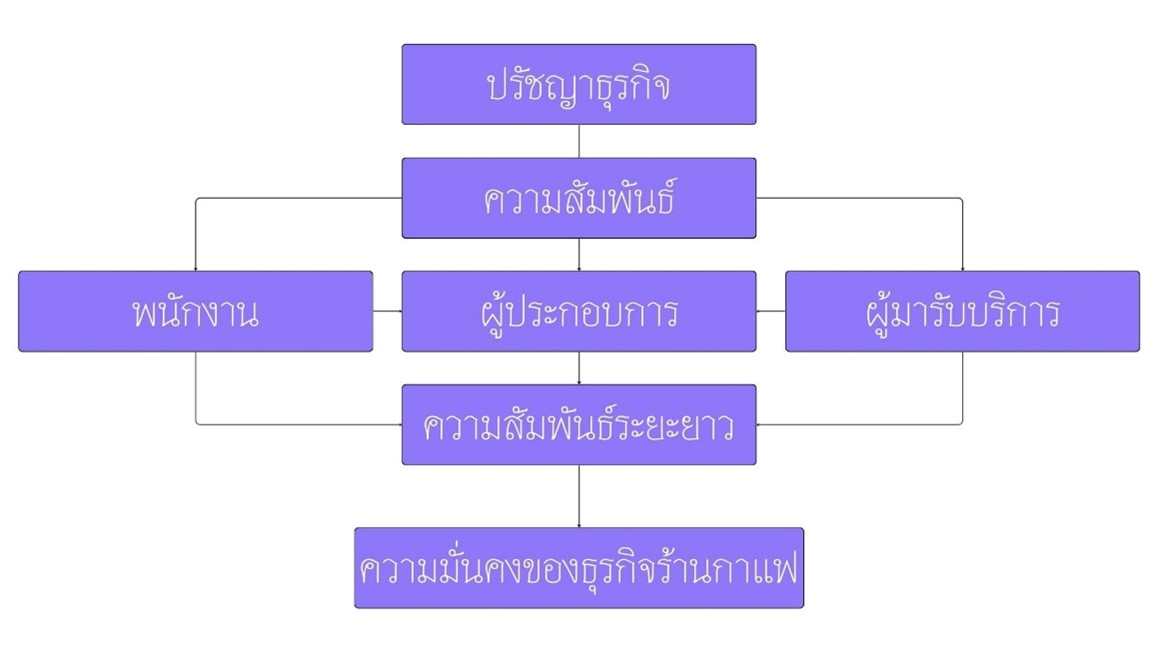
1. Buddhist ethics serve as a means to regulate physical, verbal, and mental behavior, cultivating morality and virtue. Applying Buddhist ethics in coffee shop businesses strengthens organizational relationships and customer service, contributing to sustainable success. Key principles include the Brahmavihāra, Saṅgahavatthu, and Iddhipāda.
2. Coffee shop businesses in Mueang District, Nakhon Ratchasima Province apply the 4M theory and the “service mind” principle, emphasizing service quality, staff dedication, and building positive relationships with customers.
3. The application of Buddhist ethics fosters both economic and ethical sustainability. The Brahmavihāra guides self-discipline, the Saṅgahavatthu supports work management, and the Iddhipāda motivates work performance. Integrating these principles not only generates economic profit but also enhances staff quality of life, promotes social harmony, and enables sustainable business growth.
References
กีรติ บุญเจือ และพิมพา อาทิตยา. (2538). พื้นฐานจริยศาสตร์วิชาชีพ. กรุงเทพฯ: มหาวิทยาลัยอัสสัมชัญ.
ฐิติชญาณ์ ไทยสวัสดิ์. (2550). ปัจจัยที่มีอิทธิพลต่อการบริโภคกาแฟของผู้บริโภคในเขตอำเภอเมือง จังหวัดเชียงใหม่. (รายงานการวิจัย). เชียงใหม่: คณะเศรษฐศาสตร์มหาบัณฑิต มหาวิทยาลัยเชียงใหม่.
ธัญญพัทธ์ สวนดง. (2558). ประยุกต์การเรียนรู้จากการปฏิบัติเพื่อแก้ไขปัญหาพฤติกรรมการบริการลูกค้าร้านกาแฟคาเฟ่ อเมซอน นอกสถานีบริการน้ำมันในเขตอำเภอเมือง จังหวัดนครราชสีมา. (วิทยานิพนธ์รัฐประศาสนศาสตรมหาบณัฑิต). มหาสารคาม:มหาวิทยาลัยมหาสารคาม.
พระธรรมปิฎก (ป.อ.ปยุตฺโต). (2545). พจนานุกรมพุทธศาสตร์ฉบับประมวลธรรม. (พิมพ์ครั้ง ที่ 11). กรุงเทพฯ: สหธรรมิกจำกัด.
พระพรหมคุณาภรณ์ (ป.อ.ปยุตฺโต). (2550). ธรรมนูญชีวิต. (พิมพ์ครั้งที่ 2). กรุงเทพฯ: สวยจำกัด.
พระสุวรรณ อินฺทวณฺโณ (พรหมบุตร). (2557). การบริหารจัดการการพัฒนาทรัพยากรมนุษย์ตามหลักพรหมวิหาร 4 ของบริษัท จอยแอนด์คอยน์คอร์ปอเรชั่น จำกัด. (วิทยานิพนธ์พุทธศาสตรมหาบัณฑิต). พระนครศรีอยุธยา: มหาวิทยาลัยมหาจุฬาลงกรณราชวิทยาลัย.
ภัชลดา สุวรรณนวล, พระครูภาวนาจันทคุณ และพระครูสมุห์ชินวรวัตร ถิรภทฺโท. (2564). หลักพุทธธรรมเพื่อเสริมสร้างการทำงานให้สำเร็จและมีความสุข. วารสารมหาจุฬานาครทรรศน์, 8(5), 279-291.
มหาจุฬาลงกรณราชวิทยาลัย. (2539). พระไตรปิฎกภาษาไทย ฉบับมหาจุฬาลงกรณราชวิทยาลัย. กรุงเทพฯ: มหาจุฬาลงกรณราชวิทยาลัย.
รภัสศา ธนวุฒิธนาดุล. (2567). หลักพุทธธรรมในการสร้างองค์กรสันติสุข. วารสารสันติศึกษาปริทรรศน์, 12(2).
อนิวัช แก้วจำนงค์. (2556). จริยธรรมทางธุรกิจ. (พิมพ์ครั้งที่ 2). สงขลา: นำศิลป์โฆษณา จำกัด.
อรุณ ศิริจานุสรณ์. (2548). ปัจจัยที่มีผลกระทบต่อการบริหารจัดการ บริษัท ดำเนินงานก่อสร้างขนาดเล็กที่จัดตั้งใหม่. (สถาปัตยกรรมศาสตรมหาบัณฑิต). กรุงเทพฯ: จุฬาลงกรณ์มหาวิทยาลัย.
Frederick, C. (1993). A history of philosophy. Image Books.
Friedman, M. (1998). The social responsibility of business is to increase its profits. In L. P. Hartman (Ed.), Perspectives in business ethics (International ed.). Singapore: McGraw-Hill.