การพัฒนากลุ่มวิสาหกิจชุมชนด้วยปรัชญาของเศรษฐกิจพอเพียงในพื้นที่อำเภออุบลรัตน์ จังหวัดขอนแก่น
คำสำคัญ:
วิสาหกิจชุมชน;, เศรษฐกิจพอเพียง; , การพัฒนาอย่างยั่งยืนบทคัดย่อ
การวิจัยครั้งนี้ มีวัตถุประสงค์เพื่อ 1) ศึกษาการดำเนินงานของกลุ่มวิสาหกิจชุมชนในอำเภออุบลรัตน์ จังหวัดขอนแก่น 2) ศึกษาการพัฒนากลุ่มวิสาหกิจชุมชนตามปรัชญาของเศรษฐกิจพอเพียง และ 3) เสนอแนวทางการพัฒนากลุ่มวิสาหกิจชุมชนบนพื้นฐานของหลักเศรษฐกิจพอเพียง การวิจัยใช้ระเบียบวิธีเชิงคุณภาพ โดยเก็บข้อมูลผ่านการสัมภาษณ์เชิงลึกและการสนทนากลุ่มจากผู้ให้ข้อมูลสำคัญ จำนวน 22 คน และวิเคราะห์ข้อมูลด้วยวิธีการพรรณนาเชิงเนื้อหา
ผลการวิจัยพบว่า
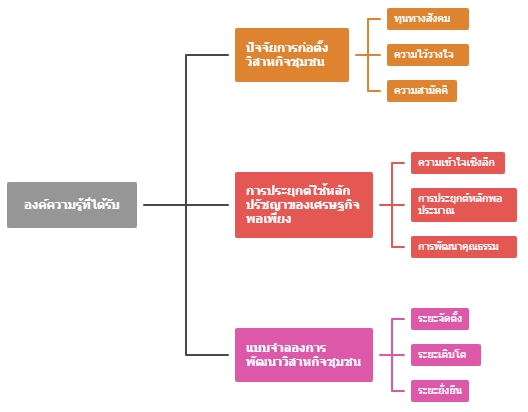
1. การดำเนินงานของกลุ่มวิสาหกิจชุมชน สามารถจำแนกได้เป็น 4 รูปแบบ ได้แก่ (1) รูปแบบมีส่วนร่วมแท้จริง (2) รูปแบบกึ่งครอบครัว (3) รูปแบบที่เกิดจากโครงการของรัฐ และ (4) รูปแบบที่ได้รับการสนับสนุนจากหน่วยงานภายนอก การดำเนินงานครอบคลุมด้านการผลิต การจำหน่าย และการบริหารจัดการ โดยพบว่าวิสาหกิจที่เข้มแข็งสามารถพัฒนามาตรฐานผลิตภัณฑ์ สร้างงาน และสร้างความมั่นคงด้านอาหารให้กับชุมชน แต่ส่วนใหญ่ยังเผชิญปัญหาด้านการบริหารจัดการ ความรู้ และความต่อเนื่องของกิจกรรม
2. การพัฒนากลุ่มวิสาหกิจชุมชนตามปรัชญาของเศรษฐกิจพอเพียง เน้นหลัก “3 ห่วง 2 เงื่อนไข” ได้แก่ ความพอประมาณ ความมีเหตุผล และการมีภูมิคุ้มกัน พร้อมเงื่อนไขความรู้และคุณธรรม พบว่ากลุ่มที่เข้มแข็งมีการนำหลักการดังกล่าวไปใช้ผ่านกระบวนการมีส่วนร่วมและการดำเนินงานอย่างเหมาะสมกับศักยภาพชุมชน อย่างไรก็ตาม หลายกลุ่มยังมีความเข้าใจไม่ลึกซึ้ง ทำให้การประยุกต์ใช้หลักปรัชญาไม่ต่อเนื่อง
3. แนวทางการพัฒนา ประกอบด้วย 3 ระยะ ได้แก่ 1) ระยะก่อตั้ง มุ่งเน้นการคัดเลือกคณะกรรมการที่มีคุณภาพและการใช้ทรัพยากรภายในชุมชนอย่างคุ้มค่า 2) ระยะเติบโต เน้นการบริหารจัดการด้านคน งาน ทุน ชุมชน และการพัฒนาตนเอง และ 3) ระยะยั่งยืน มุ่งสร้างเครือข่าย พัฒนาวัฒนธรรมการเรียนรู้ และบริหารงานตามหลักธรรมาภิบาลควบคู่กับความรับผิดชอบต่อสังคมและสิ่งแวดล้อม
เอกสารอ้างอิง
เกศสุดา โภคานิตย์. (2562). การนำหลักปรัชญาของเศรษฐกิจพอเพียงมาใช้ในการจัดการวิสาหกิจชุมชนเกษตรอินทรีย์ ในจังหวัดชัยภูมิ. วารสารวิชาการและวิจัย มหาวิทยาลัยภาคตะวันออกเฉียงเหนือ, 9(1), 50-56
นิเทศ สนั่นนารี,พระมหาวีระศักดิ์ อภินนฺทเวที, เรียงดาว ทวะชาลี, ชยันต์ บุญพิโย, จรัส ลีกา และมาริสา ไสวงาม. (2563). การประยุกต์ใช้หลักปรัชญาเศรษฐกิจพอเพียงในการพัฒนาชุมชนของวัดและชุมชนในจังหวัดขอนแก่น. วารสารสันติศึกษาปริทัศน์ มจร, 8(2), 387-404. https://so03.tci-thaijo.org/index.php/journal-peace/article/view/239987/164457
พระพรหมบัณฑิต. (2560). พระพุทธศาสนากับปรัชญาเศรษฐกิจพอเพียง [ปาฐกถา]. ใน พิธีเปิดโครงการพัฒนาสมรรถนะพระสอนศีลธรรมตามแนวทางปรัชญาของเศรษฐกิจพอเพียง. พระนครศรีอยุธยา: มหาวิทยาลัยมหาจุฬาลงกรณราชวิทยาลัย.
มหาเถรสมาคม, สำนักงานพระพุทธศาสนาแห่งชาติ, สำนักงานคณะกรรมการป้องกันและปราบปรามการทุจริตแห่งชาติ. (2563). หลักธรรมคำสอนในพระพุทธศาสนากับหลักสูตรต้านทุจริตศึกษา (Anti-Corruption Education).
วชิรา ไผ่เจริญมงคล และ จิราพร เชียงชะนา. (2563). ปัจจัยที่มีผลต่อความสำเร็จของวิสาหกิจชุมชนดีเด่น (รายงานการวิจัย). กองส่งเสริมวิสาหกิจชุมชน, กรมส่งเสริมการเกษตร.
สมยศ ปัญญามาก, พิงพร ศรีแก้ว และจิราภรณ์ คล้อยปาน. (2559). วิสาหกิจชุมชนกับการพัฒนาที่ยั่งยืน. วารสารบัณฑิตแสงโคมคำ, 1(1), 74-88. https://so02.tci-thaijo.org/index.php/jsbs/article/view/242462/164525
สำนักงานปฏิรูปที่ดินเพื่อเกษตรกรรม. (2561). 43 ปี ส.ป.ก. สานต่อศาสตร์พระราชา สู่การพัฒนาที่ยั่งยืน.
เสน่ห์ จามริก. (2549). เศรษฐกิจพอเพียงในกระแสโลกาภิวัฒน์. (พิมพ์ครั้งที่ 2). กรุงเทพฯ: สำนักงานคณะกรรมการสิทธิมนุษยชนแห่งชาติ.
อมรรัตน์ สามหาดไทย. (2550). ความพึงพอใจต่อการดำเนินงานวิสาหกิจชุมชนของสมาชิกวิสาหกิจชุมชน ในอำเภออุบลรัตน์ จังหวัดขอนแก่น. (วิทยานิพนธ์เกษตรศาสตรมหาบัณฑิต). นนทบุรี: มหาวิทยาลัยสุโขทัยธรรมาธิราช.