Buddhist aesthetics in Asubha Kammatthana
Keywords:
Asubha kammatthana;, Buddhist aesthetics; , BeautyAbstract
This study aims to: (1) examine the concept of beauty in Buddhist aesthetics, (2) explore the philosophical foundations of Asubha Kammatthana (the contemplation of impurity), and (3) analyze the relationship between Buddhist aesthetics and Asubha Kammatthana. This research employed a documentary approach, drawing upon the Tipitaka, commentaries, Buddhist philosophical texts, and related academic works. Data were analyzed through descriptive and interpretative methods.
The research findings revealed that:
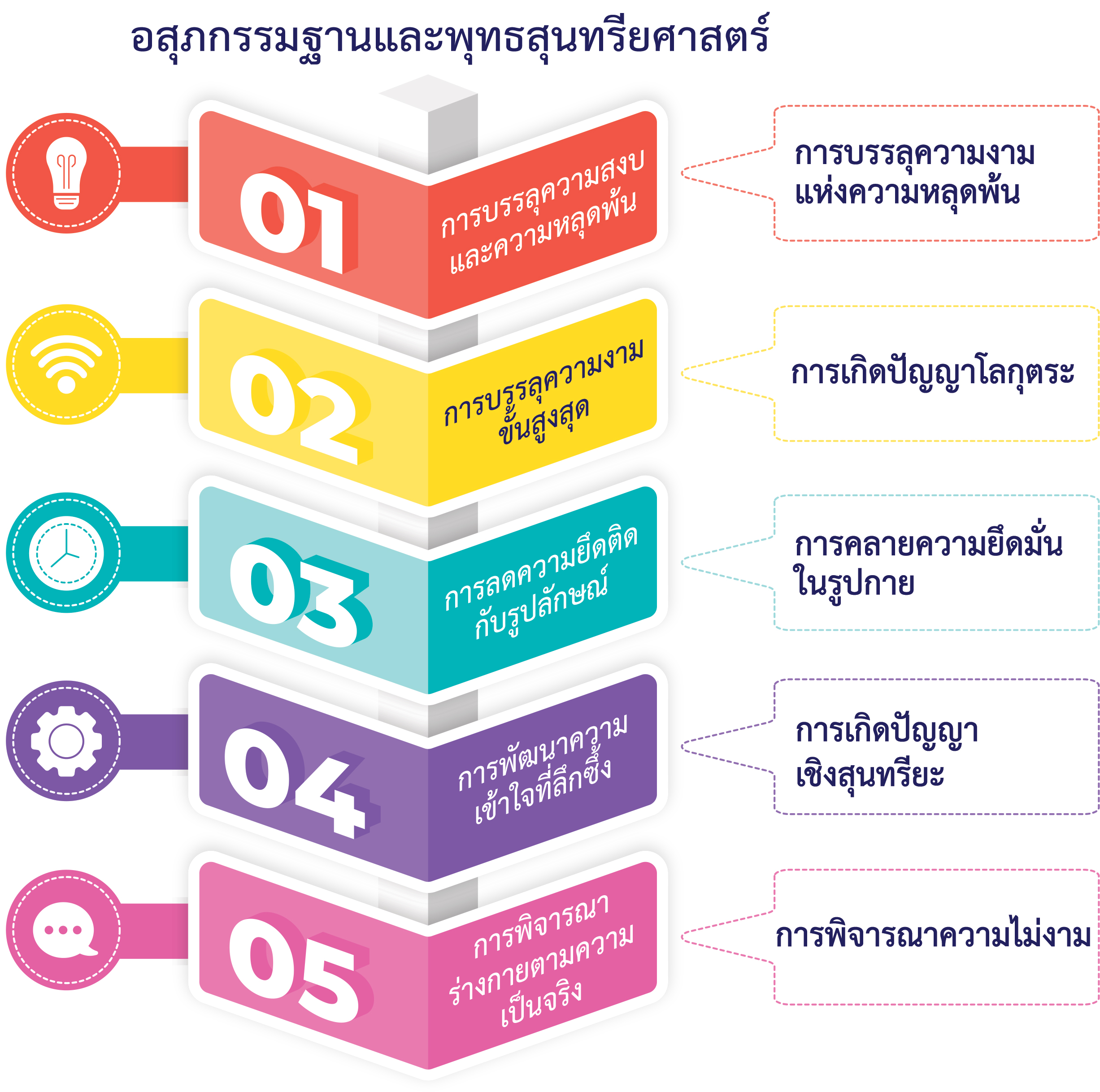
1. The concept of beauty in Buddhist aesthetics emphasizes inner beauty-a serene, compassionate, and unattached mind-rather than external or physical attractiveness. True beauty is defined as emptiness, non-attachment, and harmony with nature, serving as a gateway to insight and liberation.
2. Asubha Kammatthana is a meditative practice aimed at reducing sensual desire by contemplating the body as it truly is-impermanent, unattractive, and devoid of self. Rather than viewing it negatively, Buddhist aesthetics interprets this practice as an appreciation of truth. Genuine beauty is realized through wisdom that sees the unbeautiful without clinging, thus loosening attachment to the body and leading toward liberation from suffering.
3. Buddhist aesthetics within Asubha Kammatthana illustrates that beauty is not confined to sensory pleasures but emerges from perceiving the reality of conditioned phenomena according to the Three Characteristics. This practice transforms aesthetic experience from a worldly level to a supramundane level, purifying the mind from desire and delusion. The highest form of beauty is the beauty of Nirvana, a pure and liberated aesthetic experience.
References
พระธรรมปิฎก (ป.อ. ปยุตฺโต). (2553). พุทธธรรม. (พิมพ์ครั้งที่ 31). กรุงเทพฯ: มหาจุฬาลงกรณราชวิทยาลัย.
พระนัฐวุฒิ สิริจนฺโท(ศรีจันทร์). (2555). ศึกษาวิธีการพิจารณาอสุภกัมมัฏฐานเพื่อการแก้ปัญหากามราคะในพระพุทธศาสนาเถรวาท. (วิทยานิพนธ์พุทธศาสตรมหาบัณฑิต). พระนครศรีอยุธยา: มหาวิทยาลัยมหาจุฬาลงกรณราชวิทยาลัย.
พระพรหมคุณาภรณ์ (ป.อ. ปยุตฺโต). (2547). พุทธธรรม. กรุงเทพฯ: มหามกุฏราชวิทยาลัย.
พระพุทธโฆษาจารย์. (2530). วิสุทธิมรรค (เสถียร โพธินันท์, ผู้แปล). กรุงเทพฯ: ธรรมสาร.
พุทธทาสภิกขุ. (2548). คู่มือปฏิบัติวิปัสสนากรรมฐาน. สุราษฎร์ธานี: สวนโมกข์พลาราม.
มหาวิทยาลัยมหาจุฬาลงกรณราชวิทยาลัย. (2539). พระไตรปิฎกภาษาไทย ฉบับมหาจุฬาลงกรณราชวิทยาลัย. กรุงเทพฯ: มหาจุฬาลงกรณราชวิทยาลัย.
สมภาร พรมทา. (2558). พุทธสุนทรียศาสตร์: ความงามในกระบวนทัศน์พุทธศาสนา. กรุงเทพฯ: มหาวิทยาลัยธรรมศาสตร์.
เสถียร โพธินันท์. (2530). วิสุทธิมรรค (Visuddhimagga). กรุงเทพฯ: ธรรมสภา.
อนุช อาภาภิรมย์. (2547). เทคโนโลยีกับสวรรค์. กรุงเทพฯ: มติชน.