
LAMPANG LEGEND CONSIDERATION: PARADIGMS AND INTERACTIONS IN BUDDHA’S PREDICTION LITERATURE
Article Sidebar
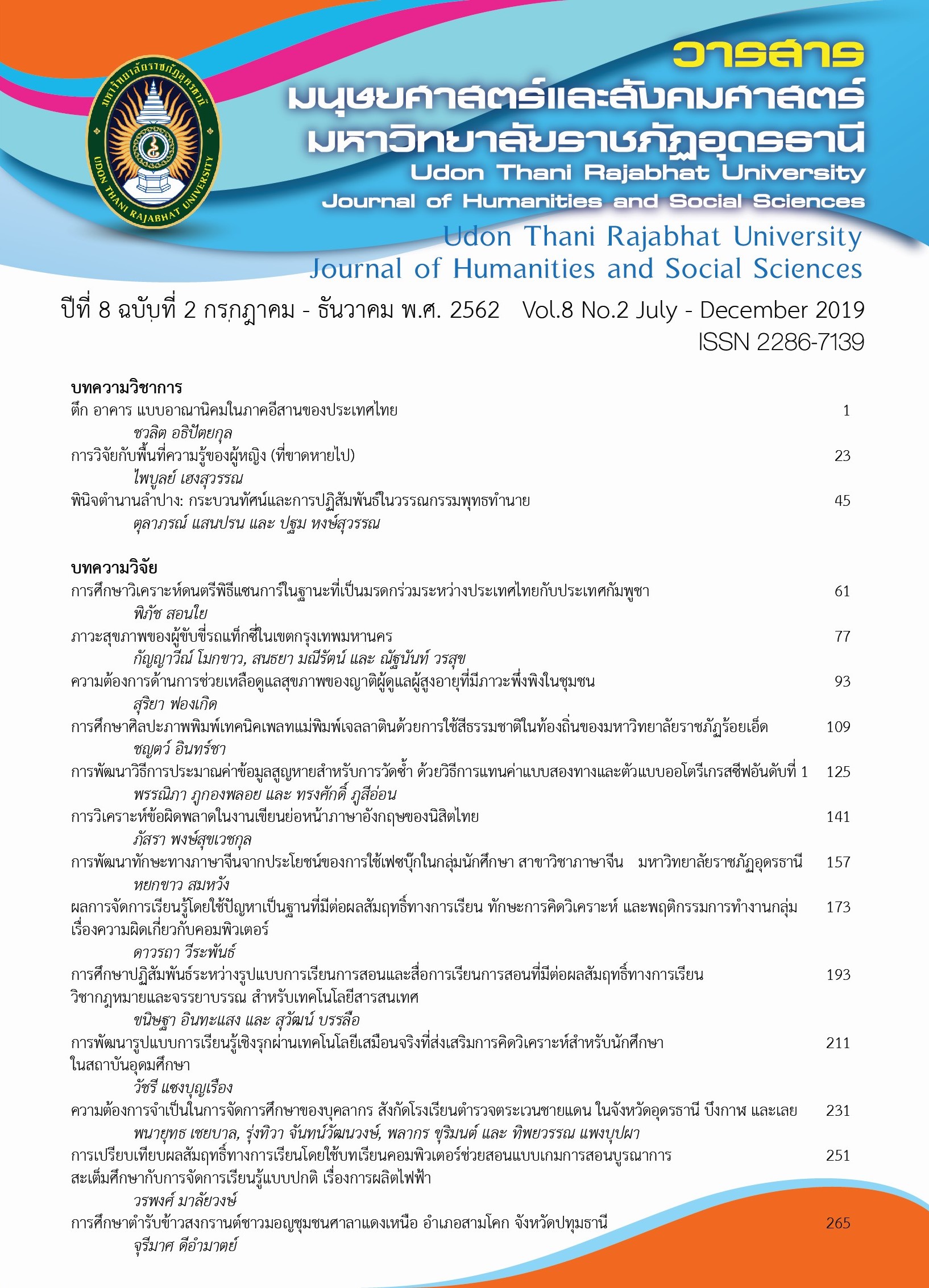
Main Article Content
Abstract
The objective of this articles was to study the paradigms and interactions of Buddha’s Prediction literature by using the structure of legend theory of Claude Levi – Strauss.
The findings found that the paradigms of Lampang legend consideration consisted of paradigms of characters, place/area, and sign by comparing the various ways of thinking between tradition and Buddhism. This led to the findings that traditional and Buddhist ways of thinking were mixed. There were the interactions of Buddhism and traditional beliefs in 3 ways. The first one was Buddhism opposed to traditional beliefs. The second one was Buddhism accepted traditional beliefs. The third one was the traditional beliefs accepted Buddhism. From the study of reflection on interactions between Buddhism and traditional beliefs it was that the interactions of beliefs between Buddhism and traditional beliefs had many styles such as conflict, acceptance, and integration of beliefs reflected the power of faith of people on traditional beliefs blended in Buddhism belief system interestingly and these traditional beliefs supported Buddhism to become the broadly acceptable religious until now.
In addition, the study of binary opposition reflected through reproduced content of Lampang legend literature divided into 3 groups. 1) The binary opposition reflected the relationship of characters 2) The binary opposition reflected the condition of characters and 3) The binary opposition reflected outcome or result occurred.
Article Details
References
Hongsuwan, P. (2005). The Buddha relics myths of the Tai peoples: significance and interaction between Buddhism and indigenous beliefs. Degree of Doctor of Philosophy Program in Thai, Department of Thai, Faculty of Arts, Chulalongkorn University. (in Thai).
ปรมินท์ จารุวร. (2549). ความขัดแย้งและการประนีประนอมในตำนานปรัมปราไทย. โครงการเผยแพร่ผลงานวิชาการ คณะอักษรศาสตร์ จุฬาลงกรณ์มหาวิทยาลัย.
Jaruworn, P. (2006). Conflict and Compromise in Thai Myths. Academic Publications Project, Faculty of Arts, Chulalongkorn. (in Thai).
ศิราพร ณ ถลาง. (2552). ทฤษฎีคติชนวิทยา: วิธีวิทยาในการวิเคราะห์ตำนาน – นิทาน พื้นบ้าน. พิมพ์ครั้งที่ 2. กรุงเทพ: สำนักพิมพ์แห่งจุฬาลงกรณ์มหาวิทยาลัย.
Nathalang, S. (2009). Theory and science of criticism for Thai folk literature. 2nd Edition. Bangkok: Chulalongkorn University Press. (in Thai).
สรัสวดี อ๋องสกุล. (2544). ประวัติศาสตร์ล้านนา. กรุงเทพ: อัมรินทร์.
Ongsakul, S. (2001). Lanna History. Bangkok: Amarin Press. (in Thai).
สรัสวดี อ๋องสกุล. (2558). พินิจตำนานลำปาง. เชียงใหม่: ศูนย์ล้านนาศึกษา คณะมนุษยศาสตร์ มหาวิทยาลัยเชียงใหม่.
Ongsakul, S. (2015). Legends of Lampang. Chiang Mai: Lanna Studies Center, Faculty of Humanities, Chiang Mai University. (in Thai).
