Development of Teachers' Active Learning Management Skills Using Literature-Based Learning in Schools of Kwang Jon Subdistrict Under Chaiyaphum Primary Educational Service Area Office 2
Keywords:
Teacher Competency Development;, Active Learning Management;, Literature-Based Learning;, In Schools of Kwang Jon SubdistrictAbstract
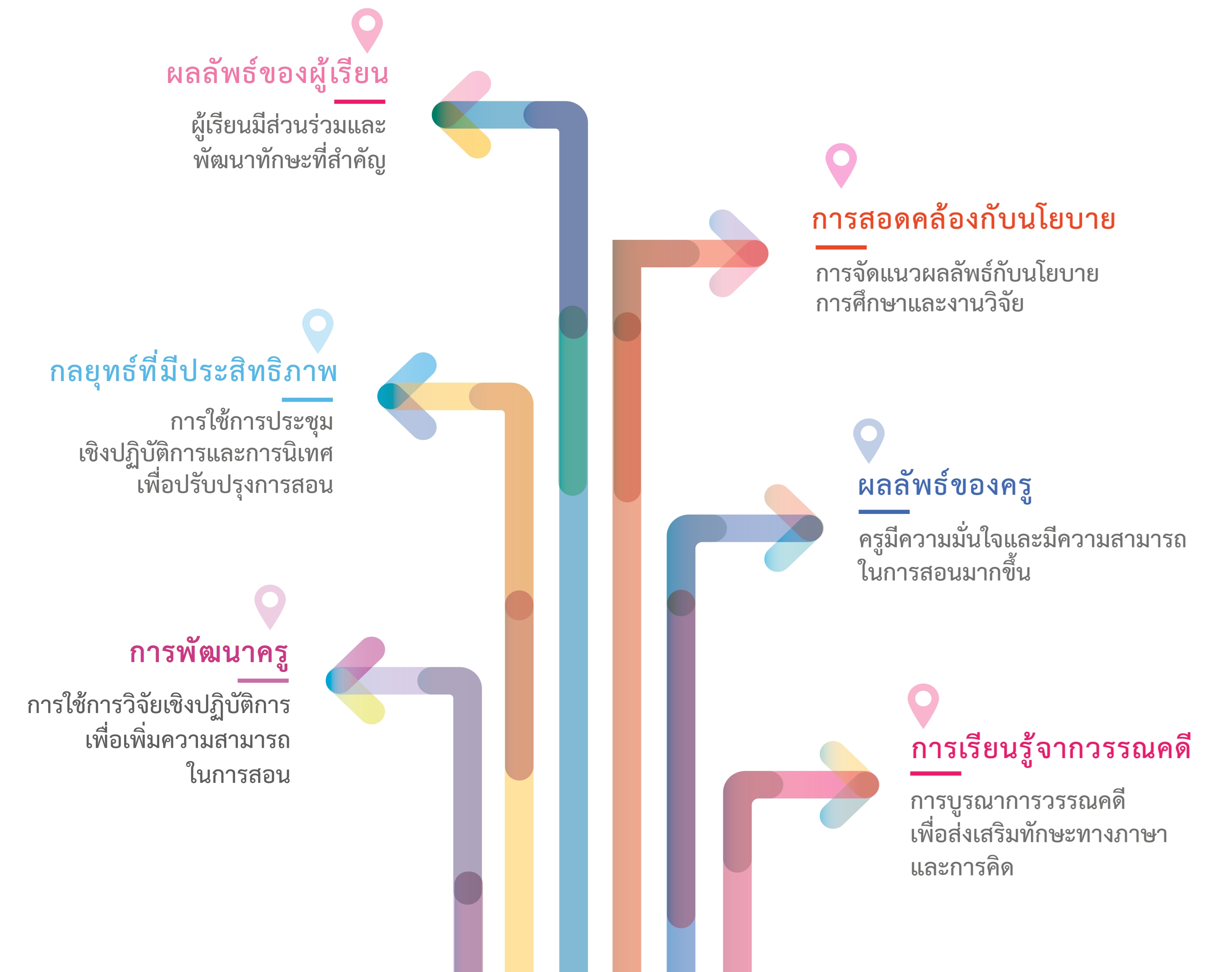
This study aimed to 1) develop teachers’ knowledge and understanding of active learning using literature as a basis, 2) develop teachers’ competencies in designing and organizing active learning activities using literature as a basis, and 3) examine teachers’ satisfaction with the competency development process. The study employed an action research design based on the framework of Kemmis and McTaggart and was conducted in two cycles. Each cycle consisted of planning, action, observation, and reflection. The research participants were seven teachers from schools in the Kwang Chon Subdistrict cluster under the Chaiyaphum Primary Educational Service Area Office 2. The research instruments included a knowledge test, interview form, observation form, meeting records, skill assessment form, questionnaire, and satisfaction evaluation form. The development activities consisted of workshops and internal supervision. Data were analyzed descriptively according to the research objectives.
The findings revealed that:
1. In the first cycle, the teachers demonstrated improved knowledge and understanding of active learning using literature as a basis and were able to prepare lesson plans and organize learning activities; however, two teachers still required further development, particularly in the implementation and assessment stages.
2. In the second cycle, internal supervision was used to provide guidance and improve the learning activities, resulting in all seven teachers being able to organize the learning process more accurately and completely in accordance with the required steps.
3. The teachers were satisfied with the development process and were able to apply the knowledge gained to learning management in ways appropriate to their students’ contexts.
References
กรมการศึกษานอกโรงเรียน. (2536). เอกสารประกอบการอบรมครูการศึกษานอกโรงเรียนสายสามัญ เล่มที่ 1. กรุงเทพฯ: โรงพิมพ์คุรุสภาลาดพร้าว.
กระทรวงศึกษาธิการ. (2552). หลักสูตรแกนกลางการศึกษาขั้นพื้นพื้นฐาน พุทธศักราช 2551. กรุงเทพฯ: องค์การรับส่งสินค้าและพัสดุครุภัณฑ์.
กลุ่มโรงเรียนตำบลกวางโจน. (2566). รายงานผลการทดสอบทางการศึกษาระดับชาติขั้นพื้นฐาน (O-NET) ปีการศึกษา 2566. ชัยภูมิ: สำนักงานเขตพื้นที่การศึกษาประถมศึกษาชัยภูมิ เขต 2.
จิราภรณ์ ยกอินทร์. (2560). การจัดการเรียนรู้ผ่านการลงมือปฏิบัติ. กรุงเทพฯ: มหาวิทยาลัยสวนดุสิต.
ชวิน พงษ์ผจญ. (2562). การออกแบบหน่วยการเรียนรู้ภาษาไทยโดยใช้แนวคิดวรรณคดีเป็นฐาน: แนวคิด แนวทางปฏิบัติ และประเด็นที่ควรพิจารณา. วารสารมนุษยศาสตร์วิชาการ, 26(2), 95-125.
ชัยวัฒน์ สุทธิรัตน์ และภัทรพร สุทธิรัตน์. (2567). Active Learning: มโนทัศน์ วิธีการ และเทคนิค. พิษณุโลก: รัตนสุวรรณการพิมพ์ 3.
ชำนาญ จิตตรง. (2562). การนิเทศและประเมินผลเพื่อการพัฒนาการศึกษา. เชียงใหม่: มหาวิทยาลัยเชียงใหม่.
ชูชัย สมิทธิไกร. (2558). การฝึกอบรมบุคลากรในองค์การ. (พิมพ์ครั้งที่ 9). กรุงเทพฯ: จุฬาลงกรณ์มหาวิทยาลัย.
ทิศนา แขมมณี. (2551). ศิลปะการสอน: แนวทางการจัดการเรียนรู้เพื่อความเป็นเลิศของผู้เรียน. (พิมพ์ครั้งที่ 5). กรุงเทพฯ: จุฬาลงกรณ์มหาวิทยาลัย.
ทิศนา แขมมณี. (2560). ศาสตร์การสอน: องค์ความรู้เพื่อการจัดกระบวนการเรียนรู้ที่มีประสิทธิภาพ. (พิมพ์ครั้งที่ 21). กรุงเทพฯ: จุฬาลงกรณ์มหาวิทยาลัย.
ทิศนา แขมมณี. (2563). ศาสตร์การสอน: องค์ความรู้เพื่อการจัดกระบวนการเรียนรู้ที่มีประสิทธิภาพ. (พิมพ์ครั้งที่ 23). กรุงเทพฯ: จุฬาลงกรณ์มหาวิทยาลัย.
ประวิต เอราวรรณ์. (2545). การวิจัยปฏิบัติการ. กรุงเทพฯ: ดอกหญ้าวิชาการ.
สำนักงานคณะกรรมการการศึกษาขั้นพื้นฐาน. (2553). ตัวบ่งชี้การใช้และพัฒนาสื่อ นวัตกรรม เทคโนโลยีเพื่อจัดการเรียนรู้เชิงรุก. กรุงเทพฯ: สำนักงานคณะกรรมการการศึกษาขั้นพื้นฐาน.
สำนักงานคณะกรรมการการศึกษาขั้นพื้นฐาน. (2562). แนวทางการนิเทศเพื่อพัฒนาและส่งเสริมการจัดการเรียนรู้เชิงรุก (Active Learning) ตามนโยบายลดเวลาเรียน เพิ่มเวลารู้. กรุงเทพฯ: หน่วยศึกษานิเทศก์ สำนักงานคณะกรรมการการศึกษาขั้นพื้นฐาน.
Custodio, B., & Sutton, M. J. (1998). Literature-based ESL for secondary school students. TESOL Journal, 7(5), 19-23.
Gifkins, J. (2015). What is ‘active learning’ and why is it important? E-International Relations. Retrieved from http://www.eir.info/2015/10/08/what-is-activelearning-and-why-isit-important
Meyers, C., & Jones, T. B. (1993). Promoting active learning: Strategies for the college classroom. San Francisco, CA: Jossey-Bass.