
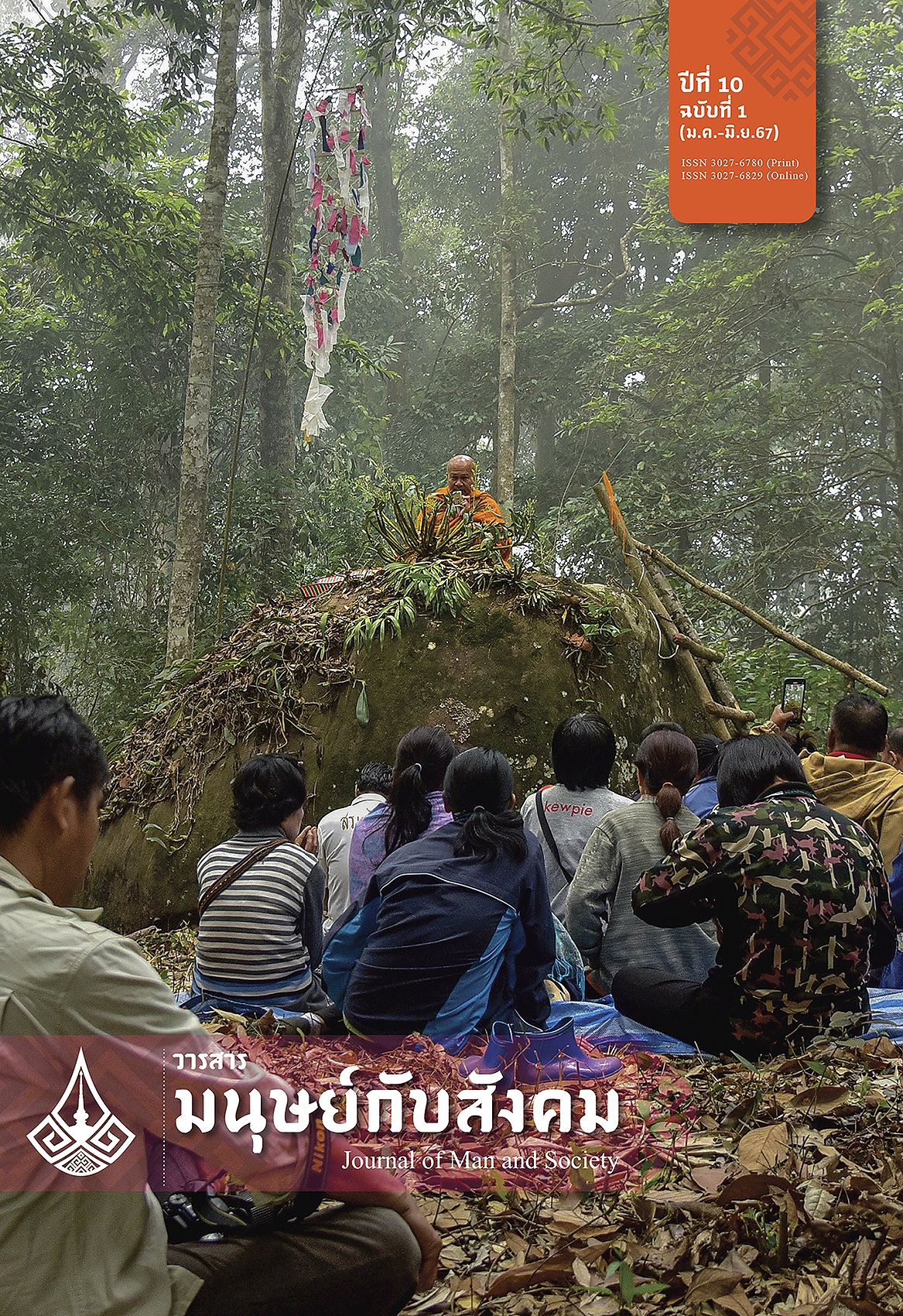
วารสารมนุษย์กับสังคมเดินทางมาถึงปีที่ 10 (ฉบับที่ 1 ม.ค.-มิ.ย.67) แล้ว แต่ทางวารสารมนุษย์กับสังคม ก็ยังมีวัตถุประสงค์คงเดิมคือเพื่อเผยแพร่องค์ความรู้ใหม่และส่งเสริมให้คณาจารย์ นักวิชาการ นักวิจัย นิสิต นักศึกษา รวมทั้งผู้สนใจได้เผยแพร่ผลงานวิชาการ ผลงานวิจัยทางด้านมนุษยศาสตร์และสังคมศาสตร์ ทั้งภาษาไทยและภาษาอังกฤษ โดยมีขอบเขตเนื้อหาบทความวิจัยและบทความวิชาการ ที่นำเสนอลงในวารสารฉบับนี้มีความหลากหลายของเนื้อหา ได้แก่ อักษรศาสตร์และมนุษยศาสตร์ ภาษาและภาษาศาสตร์ ประวัติศาสตร์และปรัชญาแห่งศาสตร์ความรู้การพัฒนา และวัฒนธรรมศึกษา
วารสารมนุษย์กับสังคม 10 ฉบับที่ 1 (ม.ค.-มิ.ย.67) นี้ได้นำเสนอบทความของนักวิชาการจากสถาบันการศึกษาต่าง ๆ 9 บทความ ประกอบไปด้วยบทความวิจัย 8 บทความ และบทความวิชาการ 1 บทความ ได้แก่ บทความเรื่องภูมิปัญญาการสอนบุตรตามพุทธวิธีทางการสอนจากเรื่องสามก๊กฉบับเจ้าพระยาพระคลัง(หน) ในบริบทสังคมศตวรรษที่ 21, เรื่องพิธีกรรมลงนางเทียม อำเภอโพนพิสัย จังหวัดหนองคาย: พลวัตและปฏิสัมพันธ์ของเทพ ผี และมนุษย์, เรื่องการใช้การสอนภาษาเพื่อการสื่อสารและการเรียนรู้โดยใช้กิจกรรมเป็นฐานเพื่อพัฒนาความสามารถด้านการเรียนรู้คำศัพท์ภาษาอังกฤษของนักเรียนชั้นประถมศึกษาปีที่ 5, เรื่องการศึกษาอัตลักษณ์ของพระกะเทย: กรณีศึกษาจากพระกะเทยในจังหวัดเชียงรายการศึกษาบทบาทหน้าที่ของประเพณียิงฟ้าขอฝน ตำบลห้วยแก้ว อำเภอบึงนาราง จังหวัดพิจิตร, เรื่องการศึกษาพฤติกรรมการใช้สื่อสังคมออนไลน์ที่มีผลต่อการรับรู้คำหลายความหมายในภาษาไทยของนักศึกษาจีนที่เรียนสาขาวิชาภาษาไทยในเขตปกครองตนเองกว่างซีจ้วงประเทศจีน, เรื่องการพัฒนาการอ่านจับใจความสำคัญ โดยการใช้เทคนิค KWL Plus สำหรับนักศึกษาจีนที่เรียนภาษาไทยเป็นภาษาที่สองในมหาวิทยาลัยราชภัฏเชียงราย, เรื่องการพัฒนาความสามารถด้านไวยากรณ์ภาษามลายู เรื่อง หน่วยคำเติม (affix) ของนักศึกษาชั้นปีที่ 2 มหาวิทยาลัยราชภัฏยะลา โดยใช้หนังสือชุดดิจิทัลการสร้างคำกริยา และบทความวิชาการเรื่อง แนวทางการบำบัดจิตใจช่วงโควิด 19: กรณีศึกษาสัญชาตญาณความเป็นมนุษย์ในนวนิยายเรื่องพุทธศักราชอัสดงกับทรงจำของทรงจำของแมวกุหลาบดำ
กองบรรณาธิการวารสารมนุษย์กับสังคม ขอบคุณเจ้าของผลงานทุกบทความที่เชื่อมั่นในวาสารฯ หวังเป็นอย่างยิ่งว่า วารสารฉบับนี้จะเป็นเวทีทางวิชาการที่จะกระตุ้นความคิดและการแลกเปลี่ยนเรียนรู้งานด้านมนุษยศาสตร์และสังคมศาสตร์ที่ทุกท่านไว้วางใจ
ภาคภูมิ หรรนภา
บรรณาธิการ
เผยแพร่แล้ว: 2024-06-28
