
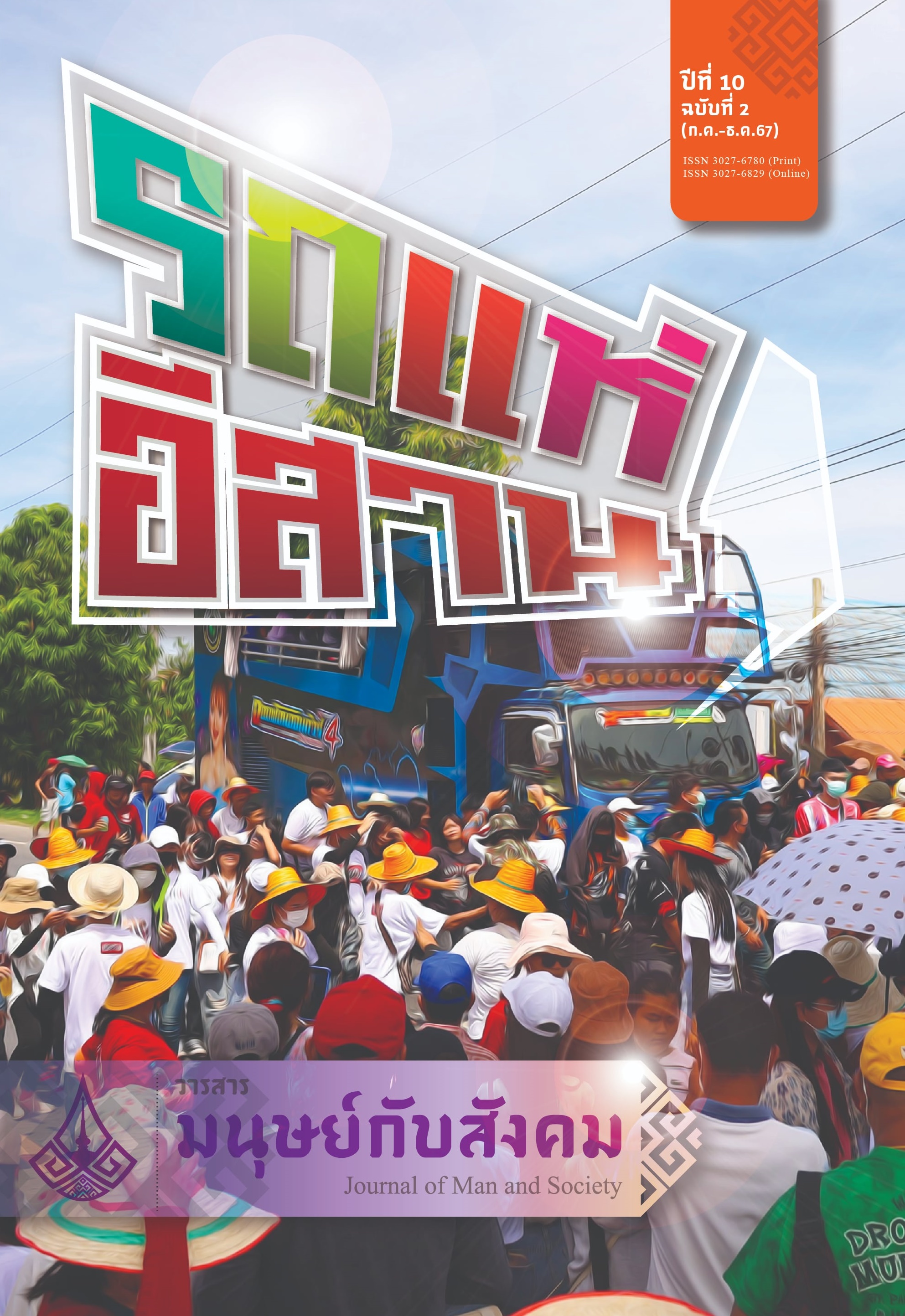
ในยุคแห่งการเปลี่ยนแปลงที่รวดเร็ว วารสารมนุษย์กับสังคม ปีที่ 10 ฉบับที่ 2 ได้นำเสนอบทความวิจัยและบทความวิชาการที่หลากหลายประเด็น และมีความร่วมสมัยที่สะท้อนถึงความท้าทายและโอกาสในบริบทปัจจุบัน บทความในฉบับนี้ครอบคลุมหัวข้อที่สำคัญ ตั้งแต่วิธีการออกแบบการเรียนรู้ การสำรวจทุนวัฒนธรรม จนถึงการวิเคราะห์พฤติกรรมดิจิทัล
เริ่มต้นจากบทความที่เน้นนวัตกรรมการเรียนรู้เพื่อพัฒนาความฉลาดรู้ด้านการอ่านสำหรับนักเรียนระดับประถมศึกษา งานวิจัยนี้สะท้อนถึงความสำคัญของการออกแบบกิจกรรมการเรียนรู้ที่ตอบสนองความต้องการของผู้เรียนและครู โดยใช้กระบวนการคิดเชิงออกแบบที่เสริมสร้างศักยภาพของการศึกษาไทย
ในด้านมิติทางวัฒนธรรม บทความที่ศึกษาลวดลายน้ำเต้าของกลุ่มชาติพันธุ์ลาหู่ในชุมชนเชียงราย ชี้ให้เห็นถึงความสำคัญของมรดกทางวัฒนธรรมและการเปลี่ยนแปลงของความหมายในบริบทสังคมที่เปลี่ยนไป เช่นเดียวกับการวิจัยเชิงปฏิบัติการที่ยกระดับทุนวัฒนธรรมในย่านเมืองเก่านครลำปาง ซึ่งเป็นต้นแบบของการผสมผสานระหว่างเศรษฐกิจสร้างสรรค์และการอนุรักษ์วัฒนธรรม
อีกหนึ่งบทความที่น่าสนใจคือ การวิเคราะห์การฟังพอดแคสต์ของนักศึกษาชั้นปีที่ 1 ในมหาวิทยาลัยศิลปากร ที่เผยให้เห็นถึงบทบาทของเทคโนโลยีในกระบวนการเรียนรู้ การศึกษานี้เน้นให้เห็นว่าการฟังพอดแคสต์สามารถเป็นสื่อที่ส่งเสริมการเรียนรู้ได้อย่างมีประสิทธิภาพในยุคดิจิทัล
นอกจากนี้ยังมีบทความการประเมินเนื้อหาหนังสือสอนภาษาอังกฤษเพื่อการโรงแรมในประเทศไทย ซึ่งเน้นการพัฒนาทรัพยากรการเรียนการสอนให้ตอบโจทย์การพัฒนาทักษะวิชาชีพของผู้เรียน และการศึกษาปัจจัยที่มีผลต่อการใช้งานอีโมจิของนักศึกษา แสดงถึงการเปลี่ยนแปลงพฤติกรรมการสื่อสารในสังคมดิจิทัล
วารสารฉบับนี้ยังครอบคลุมถึงการจัดกิจกรรมการเรียนรู้สำหรับพลเมืองในศตวรรษที่ 21 ที่พิพิธภัณฑ์สิรินธร ซึ่งเน้นการพัฒนาทักษะที่สำคัญในวัยเด็ก เพื่อเตรียมความพร้อมสำหรับอนาคต
บทความในฉบับนี้สะท้อนถึงความมุ่งมั่นของวารสารมนุษย์กับสังคมในการขับเคลื่อนองค์ความรู้ที่ทรงพลังและสร้างแรงบันดาลใจ ผ่านการผสมผสานมิติทางวิชาการ สังคม และวัฒนธรรม ผู้อ่านจะได้สัมผัสกับการวิจัยที่มีคุณค่า ท้าทายความคิด และนำไปสู่การเปลี่ยนแปลงที่สร้างสรรค์ในสังคม หวังว่าวารสารฉบับนี้จะเป็นจุดเริ่มต้นของการพัฒนาความรู้และการสร้างผลกระทบเชิงบวกในมิติต่าง ๆ อย่างลึกซึ้งและยั่งยืน
กองบรรณาธิการวารสารมนุษย์กับสังคม ขอบคุณเจ้าของผลงานทุกบทความที่เชื่อมั่นในวาสารฯ หวังเป็นอย่างยิ่งว่า วารสารฉบับนี้จะเป็นเวทีทางวิชาการที่จะกระตุ้นความคิดและการแลกเปลี่ยนเรียนรู้งานด้านมนุษยศาสตร์และสังคมศาสตร์ที่ทุกท่านไว้วางใจ
ภาคภูมิ หรรนภา
บรรณาธิการ
เผยแพร่แล้ว: 2024-12-28
