การสำรวจพื้นที่สาธารณะรอบมหาวิทยาลัยแห่งหนึ่งในกรุงเทพมหานครเพื่อพัฒนาการทัศนศึกษาเชิงสถานที่เพื่อเสริมสร้างการสื่อสารภาษาอังกฤษในชีวิตประจำวัน
Article Sidebar
Main Article Content
บทคัดย่อ
แหล่งเรียนรู้ในชุมชนและบุคลากรของแหล่งเรียนรู้เป็นสิ่งสนับสนุนการเรียนรู้ภาษาอังกฤษที่สำคัญกับผู้เรียนในบริบทที่เรียนรู้ภาษาอังกฤษเป็นภาษาต่างประเทศ แหล่งเรียนรู้เหล่านี้ช่วยเพิ่มโอกาสการใช้ภาษาอังกฤษในชีวิตประจำวันอย่างมีความหมายและสอดคล้องกับกิจกรรมในชีวิตประจำวัน การศึกษานี้มีวัตถุประสงค์เพื่อสำรวจความพร้อมของแหล่งเรียนรู้ในชุมชนและสภาพแวดล้อมในการสนับสนุนการเรียนรู้ภาษาอังกฤษของผู้เรียนภายในรัศมี 1 กิโลเมตรรอบมหาวิทยาลัยแห่งหนึ่งในกรุงเทพมหานคร โดยใช้การสุ่มอย่างง่ายในการเลือกแหล่งเรียนรู้จำนวน 5 แห่ง ประกอบด้วยแหล่งเรียนรู้ด้านวัฒนธรรมและศาสนา 4 แห่ง และห้องสมุด 1 แห่ง ผลการศึกษาพบว่า แหล่งเรียนรู้ตัวอย่างมีความพร้อมเชิงประวัติศาสตร์และวัฒนธรรม มีความเหมาะสมสำหรับการเรียนรู้แบบบูรณาการหากได้รับการพัฒนาเพิ่มเติม อย่างไรก็ตามพบว่าแหล่งเรียนรู้เหล่านี้ขาดความพร้อมในด้านการสนับสนุนการเรียนรู้ภาษาอังกฤษ เช่น ขาดสื่อภาษาอังกฤษ คำศัพท์ และกิจกรรมการเรียนรู้ภาษา นอกจากนี้ บุคลากรในแหล่งเรียนรู้ยังไม่สามารถสื่อสารภาษาอังกฤษได้ และไม่มีสิ่งอำนวยความสะดวกทางภาษาอังกฤษเพียงพอ โดยผู้วิจัยนำเสนอแนวทางการจัดการศึกษาด้วยการทัศนศึกษาเชิงสถานที่จากการสังเคราะห์วรรณกรรมไว้ 6 ขั้นตอน 1) การศึกษาเนื้อหาและสำรวจสถานที่ศึกษา 2) การออกแบบชุดกิจกรรมและแผนการสอน 3) การตรวจสอบคุณภาพและพัฒนาแผน 4) การเตรียมการทัศนศึกษา 5) การจัดการเรียนการสอนและการทัศนศึกษา และ 6) การสรุปผลและพัฒนากิจกรรม
Article Details

อนุญาตภายใต้เงื่อนไข Creative Commons Attribution-NonCommercial-NoDerivatives 4.0 International License.
เนื้อหาและข้อมูลในบทความที่ตีพิมพ์ในวารสารการศึกษาและนวัตกรรมการเรียนรู้ ถือเป็นข้อคิดเห็นและความรับผิดชอบของผู้เขียน ซึ่งกองบรรณาธิการวารสาร ไม่จำเป็นต้องเห็นด้วยหรือร่วมรับผิดชอบใด ๆ และไม่สงวนสิทธิ์การคัดลอกบทความเพื่อใช้ประโยชน์ทางวิชาการ แต่ให้อ้างอิงข้อมูลแสดงที่มาของบทความทุกครั้งที่นำไปใช้ประโยชน์
เอกสารอ้างอิง
Aguado-Moralejo, I., Enjuto, M. T., & Arenaza, O. O. (2020). Place-based learning through field trips in geography. INTED2020 Proceedings, 14th International Technology, Education and Development Conference (6015-6021). IATED. https://doi.org/10.21125/inted.2020.1626
Arcodia, C., Abreu Novais, M., Cavlek, N., & Humpe, A. (2021). Educational tourism and experiential learning: Students’ perceptions of field trips. Tourism Review, 76(1), 241-254. https://doi.org/10.1108/TR-05-2019-0155
Brooks, J. G., & Brooks, M. G. (1999). In search of understanding: The case for constructivist classrooms. ASCD.
Can, Ö. K., Lane, J. F., & Ateşkan, A. (2017). Facilitating place-based environmental education through bird studies: an action research investigation. Environmental Education Research, 23(5), 733-747. https://doi.org/10.1080/13504622.2016.1233389
Chaiyapoo, M. C., Sonrod, S., & Chanasit, C. (2025). Needs analysis of English competency development for entrepreneurs in Agro Tourism Destinations, Khlong Mahasawat, Nakhon Pathom Province. Rattanakosin Journal of Social Sciences and Humanities, 7(1), 12-20. https://so05.tci-thaijo.org/index.php/RJSH/article/view/274842 [in Thai]
Chutong, K. P. C. (2024). The development of English communication skills for ecotourism in Bang Bai Mai Subdistrict, Mueang District, Surat Thani Province: A case study of community-based boat tours. Law and Local Society Journal, 8(2), 103-128. https://so04.tci-thaijo.org/index.php/llsj/article/view/274292 [in Thai]
Cleveland, B., & Soccio, P. (2015). Evaluating the pedagogical effectiveness of learning spaces. In R. H. Crawford & A. Stephan (Eds.), Living and learning: Research for a better built environment: 49th International Conference of the Architectural Science Association 2015 (507-516). The Architectural Science Association and The University of Melbourne. https://anzasca.net/wp-content/uploads/2015/12/049_Cleveland_Soccio_ASA2015.pdf
Cleveland, B., Soccio, P., & Love, P. (2016, November 27 – December 1). Learning environment evaluation and the development of school facility design guidelines [Paper presentation]. The Annual Meeting of the Australian Association for Research in Education, Melbourne, Victoria, Australia. https://eric.ed.gov/?id=ED591864
Crew, M. (2020). The effectiveness of place-based programmes and campaigns in improving outcomes for children: A literature review. A national literacy trust research report. National Literacy Trust. https://eric.ed.gov/?id=ED607978
Davidson, S. K., Passmore, C., & Anderson, D. (2010). Learning on zoo field trips: The interaction of the agendas and practices of students, teachers, and zoo educators. Science Education, 94(1), 122-141. https://doi.org/10.1002/sce.20356
Dean, S. N. (2021). National Park interpretation and place-based education: An integrative literature review. Journal of Experiential Education, 44(4), 363-377. https://doi.org/10.1177/1053825920979626
Dewey, J. (1986). Experience and education. The educational forum, 50(3), 241-252. https://doi.org/10.1080/00131728609335764
Erickson, H. H., Watson, A. R., & Greene, J. P. (2024). An experimental evaluation of culturally enriching field trips. Journal of Human Resources, 59(3), 879-904. https://doi.org/10.3368/jhr.1020-11242R1
Gajda, K. A. (2020). Glocalism and its implementation: the case of museum-based education. The International Journal of Interdisciplinary Global Studies, 15(3), 29-42. https://doi.org/10.18848/2324-755X/CGP/v15i03/29-42
Imms, W., Cleveland, B., & Fisher, K. (Eds.). (2016). Evaluating learning environments: Snapshots of emerging issues, methods and knowledge. Advances in Learning Environments Research. Sense. https://doi.org/10.1007/978-94-6300-537-1
Kulakov, S., Purgina, M., & Koynov, R. (2020). Development of a case-based approach to the digital support of regular activities taking into international experience. In I. Klopotan, K. Czako, & V. Beker (Eds.), Economic and Social Development, 53rd International Scientific Conference on Economic and Social Development Development (1-7). Varazdin Development and Entrepreneurship Agency. https://www.esd-conference.com/upload/book_of_proceedings/Book_of_Proceedings_esdSvetiMartin2020_Online.pdf
Lim, C.-T. D., & Fraser, B. J. (2018). Learning environments research in English classrooms. Learning Environments Research, 21(3), 433-449. https://doi.org/10.1007/s10984-018-9260-6
Limsiriruengrai, P. (2022). Research to obtain guidelines for Thai-English translation for developing linguistic landscape in tourist attractions in Thailand. Journal of Studies in the Field of Humanities, 29(2), 200-222. https://so04.tci-thaijo.org/index.php/abc/article/view/236765 [in Thai]
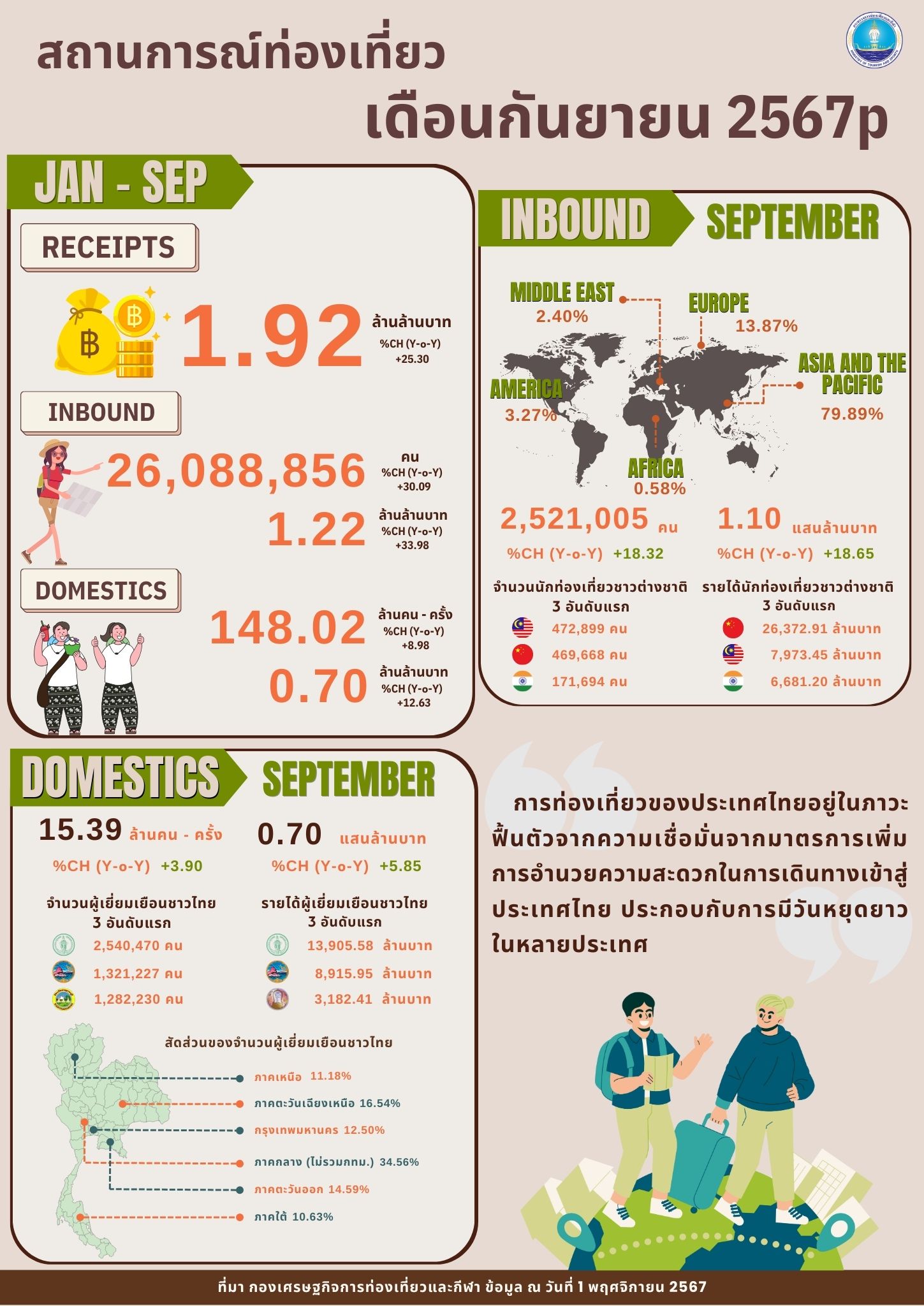
Ministry of Tourism and Sports. (2024). Infographic: International Tourist Arrivals to Thailand Jan-Sep 2024. [Infographic]. Ministry of Tourism & Sports. https://www.mots.go.th/images/v2022_17309687171024LiH4Liy4LiZIEluZm8g4Liq4LiW4Liy4LiZ4LiB4Liy4Lij4LiT4LmM4LiX4LmI4Lit4LiH4LmA4LiX4Li14LmI4Lii4Lin4LiB4Lix4LiZ4Lii4Liy4Lii4LiZLmpwZw==.jpg [in Thai]
Nespor, J. (2000). School field trips and the curriculum of public spaces. Journal of Curriculum Studies, 32(1), 25-43. http://doi.org/10.1080/002202700182835
Russell-Ciardi, M. (2006). Place-based education in an urban environment1. Museum International, 58(3), 71-77. https://unesdoc.unesco.org/ark:/48223/pf0000147302
Scarce, R. (1997). Field trips as short-term experiential education. Teaching Sociology, 25(3), 219-226. https://doi.org/10.2307/1319398
Sermsook, K., Nakplad, R., & Jantawong, L. (2021). Problems and needs analysis of English for tourism industry: A case of hotel staff in Phang Nga Province, Thailand. Education Quarterly Reviews, 4(3), 73-82. https://doi.org/10.31014/aior.1993.04.03.319
Sharafuddin, M. A. (2015). Types of tourism in Thailand. E-review of Tourism Research, 12(3), 210-219. https://www.researchgate.net/publication/283780957_Types_of_tourism_in_Thailand
Sievers, E., Spierenburg, M., Jhagroe, S. S., & van Oudenhoven, A. P. E. (2024). Place-based knowledge transfer in a local-to-global and knowledge-to-action context: key steps and facilitative factors. Ecology and Society, 29(3), Article 8. https://doi.org/10.5751/ES-15024-290308
Smith, G. A. (2002). Place-based education: Learning to be where we are. Phi delta kappan, 83(8), 584-594. https://doi.org/10.1177/003172170208300806
Sobel, D. (2004). Place-based education: Connecting classroom and community. Nature and listening, 4(1), 1-7. https://kohalacenter.org/teachertraining/pdf/pbexcerpt.pdf
Tolman, J. (2021). Teaching our cities: place-based education in an urban environment. In Merse, C. L., Seydel, J., Kensler, L. A. W. & Sobel, D. (Eds.), Trailblazers for Whole School Sustainability: Case Studies of Educators in Action (38-51). Routledge. https://doi.org/10.4324/9781003152811
Walsh, D., & Downe, S. (2005). Meta-synthesis method for qualitative research: a literature review. Journal of advanced nursing, 50(2), 204-211. https://doi.org/10.1111/j.1365-2648.2005.03380.x
Wulandari, F. (2022). Students’ perceptions of the field trip in vocabulary learning: A descriptive quantitative research in the sixth semester students of English for business and professional communication in the academic year of 2021-2022. English Language Studies and Applied Linguistics Journal, 3(1), 1-11. https://jurnal.polteq.ac.id/index.php/elsa/article/download/125/101
Yemini, M., Lieberthal, E. B., Nahhas, R., Streisfeld, S., Gnaima, Z., Kalderon, M., & Fliss, R. (2023). Place-based education in diverse urban communities: The case of Israel. International Journal of Educational Research, 121, 102224. https://doi.org/10.1016/j.ijer.2023.102224
Zhao, J., LaFemina, P., Carr, J., Sajjadi, P., Wallgrün, J. O., & Klippel, A. (2020). Learning in the field: comparison of desktop, immersive virtual reality, and actual field trips for place-based STEM education. In F. Argelaguet, G. Bruder, R. Kopper, & M. E. Latoschik (Eds.), 2020 IEEE Conference on Virtual Reality and 3D User Interfaces (VR) (893-902). IEEE. https://doi.org/10.1109/VR46266.2020.00012