การเสด็จสวรรคตของ สมเด็จพระนางเจ้าสิริกิติ์ พระบรมราชินีนาถ พระบรมราชชนนีพันปีหลวง เมื่อวันที่ 24 ตุลาคม 2568 นับเป็นการสูญเสียครั้งใหญ่ของสังคมไทยอีกครั้งหนึ่ง ด้วย สมเด็จฯ พระบรมราชชนนีพันปีหลวง คือสตรีผู้มีบทบาทสำคัญยิ่งในการสนับสนุนการปฏิบัติพระราชกรณียกิจของพระบาทสมเด็จพระบรมชนกาธิเบศร มหาภูมิพลอดุลยเดชมหาราช บรมนาถบพิตร ตลอดห้วงรัชสมัยอันยาวนาน (พ.ศ. 2489 - 2559) ไม่ว่าจะเป็นการสร้างภาพลักษณ์ “ครอบครัวที่สมบูรณ์แบบ” การเป็น “ศูนย์รวมแห่งความชื่นชมยินดี” ทั้งเป็นพลังหนุนส่งการก่อร่างสร้าง “พระราชอำนาจนำ” ของพระบาทสมเด็จพระเจ้าอยู่หัว รัชกาลที่ 9 ผู้เป็นพระราชสวามี ว่ากันว่านี่คือการปิดฉากยุคสมัย พระบาทสมเด็จพระบรม ชนกาธิเบศร มหาภูมิพลอดุลยเดชมหาราช บรมนาถบพิตร อย่างแท้จริง กองบรรณาธิการวารสารไทยคดีศึกษา ขอร่วมแสดงความอาลัย ด้วยสำนึกในพระมหากรุณาธิคุณมา ณ ที่นี้
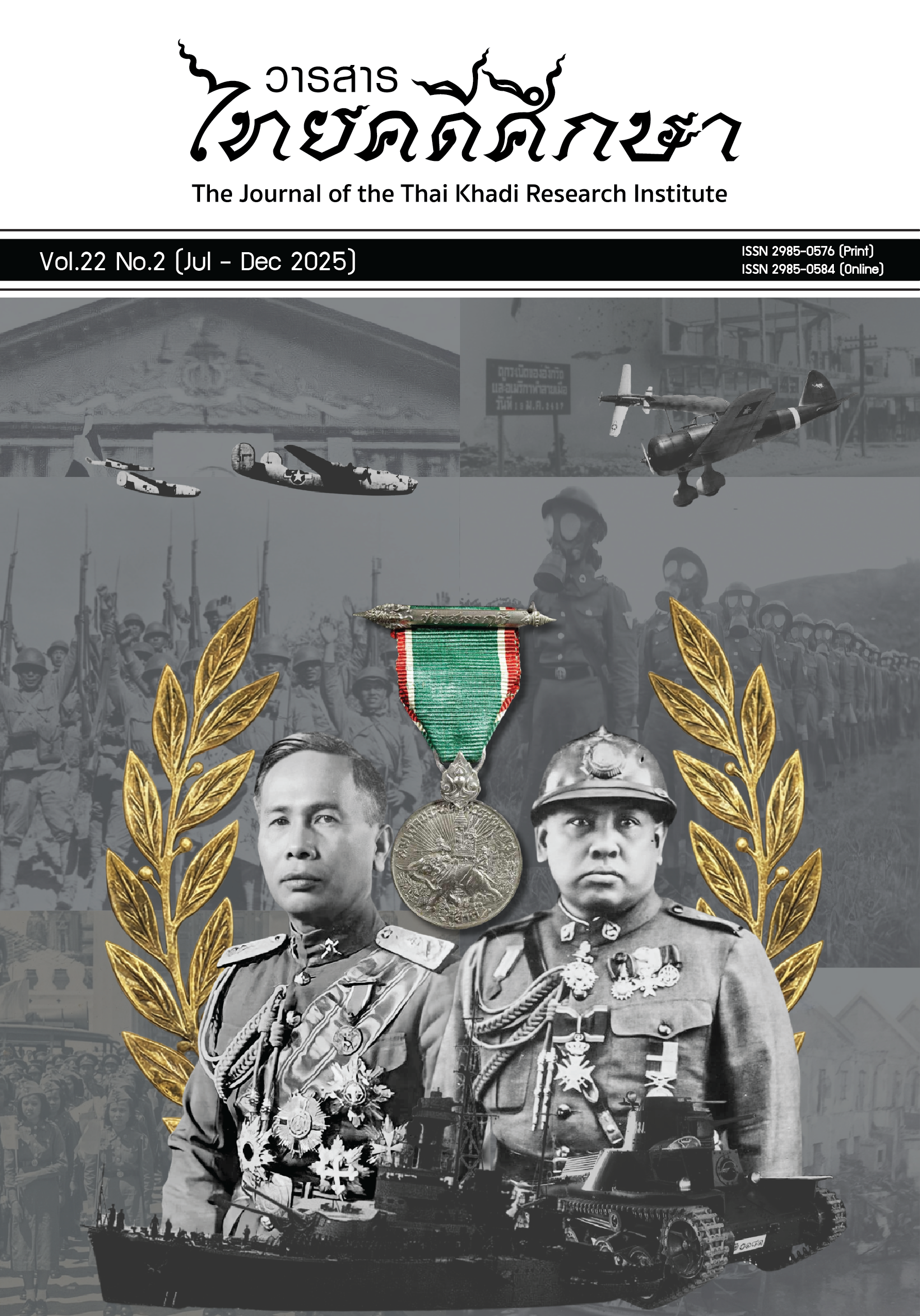
สำหรับวารสารไทยคดีศึกษาฉบับนี้ นับเป็นภาพแทนความหลากหลายของงานวิชาการทั้งงานประวัติศาสตร์ เรื่องเล่าคติชน วัฒนธรรม ประวัติศาสตร์ศิลปะ การท่องเที่ยว ฯลฯ ทั้งนี้ ในวาระครบรอบ 80 ปี การสิ้นสุดสงครามโลกครั้งที่ 2 บทความของ บุญพิสิฐ ศรีหงส์ เรื่อง กระบวนการเข้าสู่สงครามโลกครั้งที่ 2 ของประเทศไทย: ประวัติศาสตร์ทวนกระแส ชวนผู้อ่านตั้งคำถามต่อประเด็นเรื่องการเข้าสู่สงครามโลก ครั้งที่ 2 ของไทยผ่านการนำเสนอข้อมูลหลักฐานใหม่ ที่ชี้ชวนให้เห็นว่าแท้จริงแล้วรัฐบาลและประชาชนไทย มีความตื่นตัวและตระหนักรู้เป็นอย่างยิ่งต่อสถานการณ์โลกที่ส่อเค้าลางจะนำมาสู่ภาวะสงครามโลก ครั้งใหม่ นับตั้งแต่ปลายทศวรรษ 2470 เป็นอย่างน้อย การตระเตรียมรับมือต่อสภาวะสงครามจึงหาใช่เพิ่งเกิดขึ้นเมื่อกองทัพญี่ปุ่นใกล้จะบุกรุก หรือเกิดขึ้นภายใต้เงื่อนไขนโยบายชาตินิยมแบบลัทธิเชื่อผู้นำในช่วงต้นทศวรรษ 2480 ที่เป็นทัศนะมุมมองกระแสหลัก
อนึ่ง หลักฐานประวัติศาสตร์บางชิ้นที่น่าจะเป็นที่รู้จักกันดี สามารถให้ภาพมุมมองใหม่เมื่อนำมาใช้วิเคราะห์ประเด็นศึกษาเฉพาะเจาะจงเช่นเรื่องดนตรี ดังบทความ ดนตรีไทยสมัยกรุงศรีอยุธยา: การศึกษาประวัติศาสตร์สังคมจากคำให้การขุนหลวงวัดประดู่ทรงธรรม เอกสารจากหอหลวง ของ ทรงพล เลิศกอบกุล ที่ผู้เขียนใช้เอกสาร คำให้การขุนหลวงวัดประดู่ทรงธรรม ส่องภาพประวัติศาสตร์สังคมที่เห็นความคึกคักของวัฒนธรรมดนตรีไทยในช่วงปลายสมัยอยุธยา ตัวอย่างหนึ่งที่เป็นสีสันเห็นจะได้แก่ ภาพชุมชนการค้า ย่านตลาดที่มีการขายเครื่องดนตรีหลากชนิด สะท้อนความเคลื่อนไหวของวัฒนธรรมดนตรีที่สัมพันธ์กับความเป็นมวลชน ความนิยมที่แพร่หลายจนถึงกับมีตลาดขายเครื่องดนตรี ไม่เพียงให้ภาพประวัติศาสตร์สังคมที่มีดนตรีไทยเป็นหนึ่งในมิติของความคึกคักรุ่มรวย หากยังแสดงถึงสิ่งที่อาจเรียกว่า “วัฒนธรรมกระฎุมพี” ที่น่าจะปรากฏเค้าลางมาตั้งแต่ช่วงปลายอยุธยาแล้ว
ในส่วนของเรื่องเล่าและคติชน บทความ ตำนานสมเด็จพระเจ้าตากสินมหาราชกับความสัมพันธ์ทางสังคมและวัฒนธรรมเมืองนครศรีธรรมราช ของ ชาญณรงค์ คงฉิม และคณะ ให้ภาพตำนานสมเด็จพระเจ้าตากสินมหาราชกับเมืองนครศรีธรรมราชที่ปรากฏผ่านภูมินามสถานที่ สืบเนื่องจากข้อมูลประเภทพงศาวดารกระซิบระบุถึงการเคยเสด็จมาเมืองนครศรีธรรมราชและประเด็นเรื่องสมเด็จพระเจ้าตากสินมหาราชไม่ได้ถูกสำเร็จโทษ หากแต่ทรงมาใช้พระชนม์ชีพในช่วงบั้นปลายจนเสด็จสวรรคตที่นครศรีธรรมราช สิ่งนี้นำมาสู่ตำนานเกี่ยวกับสมเด็จพระเจ้าตากสินมหาราชของชาวนครศรีธรรมราชที่แตกต่างไปจากข้อเท็จจริงในหลักฐานประวัติศาสตร์ สะท้อนผ่านนิทาน เพลงกล่อมเด็ก ความทรงจำของผู้คน ตำนานสมเด็จพระเจ้าตากสินมหาราชยังมีพลวัตที่สะท้อนผ่านงานประเพณีของชาวบ้านในท้องถิ่น และกลายเป็นทุนทางวัฒนธรรมของจังหวัดไปเป็นที่เรียบร้อย
เรื่องราวภาคใต้ยังปรากฏในบทความ ความหลากหลายของวัฒนธรรมอาหารภาคใต้: อาหารข้าม / ระหว่างวัฒนธรรม ของ บัณฑิต ไกรวิจิตร และคณะ ซึ่งเป็นงานศึกษาที่ได้รับทุนสนับสนุนจากกรมส่งเสริมวัฒนธรรม กระทรวงวัฒนธรรม ผู้วิจัยมองอาหารในฐานะวัฒนธรรมโดยให้ภาพอาหารใต้ว่าเป็นภาพแทนของการแต่งงานข้ามวัฒนธรรมที่มีความหลากหลายและไม่เคยหยุดนิ่ง เช่น อาหารใต้บางเมนูที่เกิดขึ้นจากการรับส่งวัฒนธรรมอาหารอาหรับจากประวัติศาสตร์การเดินทางไปประกอบพิธีฮัจญ์ แน่นอนว่าสิ่งเหล่านี้คือการเลือกรับและปรับใช้ตามวัตถุดิบ เครื่องปรุงและรสนิยมของผู้คนในท้องถิ่น ขณะที่อาหารมลายูมุสลิมบางเมนูก็สะท้อนอิทธิพลจากวัฒนธรรมการปรุงอาหารแบบจีนที่ปรับวัตถุดิบให้เข้ากับท้องถิ่นเช่นกัน ฯลฯ สิ่งเหล่านี้สะท้อนภูมิรัฐศาสตร์และความเป็นโลกาภิวัตน์ของภาคใต้ที่ส่งผ่านมาถึงอาหารตั้งแต่ไหนแต่ไร ฯลฯ เงื่อนไขที่กล่าวมาน่าจะทำให้อาหารใต้เป็นได้มากกว่าอาหารถิ่น แต่มีจุดขายในฐานะวัฒนธรรมร่วมของอาหารระดับนานาชาติได้อีกด้วย
เช่นกัน เรื่องการผสมผสานเลือกรับและปรับใช้ ยังเห็นได้ในการศึกษาประวัติศาสตร์ศิลปะ ดังบทความ รูปแบบ ลวดลาย นาคและมกรคายนาค ประดับราวบันไดในศิลปะล้านนา พุทธศตวรรษที่ 21 - 22 โดย ณัฐตะวัน นามบุตร ที่ผู้เขียนตั้งข้อสังเกตว่าก่อนหน้าพุทธศตวรรษที่ 21 ไม่เคยมีการนำคตินาคมาสร้างเป็นราวบันไดในศิลปะล้านนา กระทั่งยุคทองของล้านนาในช่วงสมัยพระเจ้าติโลกราชต่อเนื่องถึงพระเมืองแก้ว หลานของพระเจ้า ติโลกราชแห่งราชวงศ์มังราย ที่ปรากฏการใช้ราวบันไดนาค ลวดลายนาคและมกรคายนาค สิ่งนี้น่าจะเป็นอิทธิพลที่ล้านนาได้จากศิลปะอยุธยาในยุคที่ทั้งสองรัฐมีปฏิสัมพันธ์อย่างเข้มข้นผ่านมิติการสงคราม และแน่นอนเมื่อรูปแบบดังกล่าวเข้ามาในดินแดนล้านนาก็ปรากฏการปรับเปลี่ยนรูปแบบและสร้างสรรค์ใหม่โดยช่างล้านนาเอง นอกจากนี้ ผู้เขียนยังพิจารณาเชื่อมโยงรูปแบบงานศิลปะที่อธิบายได้บนตรรกะเดียวกัน เช่น การหล่อพระลวะปุระหรือ พระเจ้าแข้งคมในสมัยพระเจ้าติโลกราช ซึ่งชัดเจนว่าเป็นรูปแบบศิลปกรรมที่ล้านนารับมาจากรัฐทางตอนใต้อย่างอยุธยา
รูปแบบงานศิลปะและงานช่าง ยังแปรเปลี่ยนไปตามบริบทของผู้สร้างและกลุ่มผู้อุปถัมภ์ ดังบทความของ ชาญคณิต อาวรณ์ เรื่อง การศึกษาสัดส่วนวิหารขนาดใหญ่ในกระบวนการครูบาศรีวิชัย ความสัมพันธ์เชิงช่าง รูปแบบศิลปกรรมและเครือข่ายผู้อุปถัมภ์ โดยผู้เขียนได้ทำการตรวจสอบ “มอก” หรือสัดส่วนของวิหารที่ถูกบูรณะและสร้างใหม่ภายใต้บริบทของกระบวนการครูบาศรีวิชัย ทั้งนี้ กระบวนการครูบาศรีวิชัยหมายรวมถึงงานสร้างและบูรณะศาสนสถานทั่วดินแดนล้านนา ที่มีครูบาศรีวิชัย ตนบุญแห่งล้านนา เป็นแม่งานใหญ่ในการระดมศรัทธากลุ่มผู้อุปถัมภ์มาร่วมงานกันทั้งกลุ่มช่าง เจ้านาย คหบดี พระเถระผู้ใหญ่ ในช่วงทศวรรษ 2460 - 2470 ภายใต้กระบวนการนี้ ผู้อ่านจะเห็นถึง “ลายเซ็น” ที่ฝากฝีมือไว้ในอาคารศาสนสถาน ผ่านเรื่องการกำหนดสัดส่วนวิหารหลวงของช่างกลุ่มเดียวกันภายใต้การควบคุมกำกับของครูบาศรีวิชัย กระทั่งสิ่งนี้คือรูปแบบของงานศิลปกรรมแห่งยุคสมัย อนึ่ง ภายใต้รูปแบบนี้ยังสะท้อนพลังการอุปถัมภ์คณะศรัทธาที่กว้างขวาง การตัดสินใจที่เด็ดขาดของผู้เป็นแม่งาน ตลอดจนการใช้วัสดุใหม่ ๆ เช่น ปูนซีเมนต์ สิ่งเหล่านี้ล้วนเป็นคำตอบถึงความสำเร็จของกระบวนการครูบาศรีวิชัย ในประวัติศาสตร์ล้านนาร่วมสมัย
ในเรื่องประเด็นการท่องเที่ยว บทความเรื่อง อัตลักษณ์และภาพลักษณ์การท่องเที่ยวเชิงสร้างสรรค์ของจังหวัดนนทบุรี ปทุมธานี และพระนครศรีอยุธยา เชื่อมโยงพื้นที่กรุงเทพมหานคร โดย ภูริวัจน์ เดชอุ่ม และคณะ อธิบายภาพการแสวงหาอัตลักษณ์การท่องเที่ยวของพื้นที่ 3 จังหวัดริมแม่น้ำเจ้าพระยาที่เชื่อมต่อกับพื้นที่แกนหลักทางการท่องเที่ยวของประเทศไทยอย่างกรุงเทพมหานคร รวมถึงดูพฤติกรรมการรับรู้ภาพลักษณ์การท่องเที่ยวเชิงสร้างสรรค์ของนักท่องเที่ยวทั้งชาวไทยและชาวต่างชาติ ทั้งนี้ อัตลักษณ์ การท่องเที่ยวของพื้นที่ 3 จังหวัดดังกล่าว คือ การท่องเที่ยวเชิงวัฒนธรรมที่ผูกพันกับวิถีชีวิตริมน้ำ ลักษณะชุมชนพหุวัฒนธรรม อันเป็นรากเหง้าประวัติศาสตร์และความเป็นไทย อัตลักษณ์นี้ยังสอดรับเป็นอย่างยิ่งกับมิติการท่องเที่ยวเชิงสร้างสรรค์ กระนั้น ในแง่การรับรู้ภาพลักษณ์การท่องเที่ยวเชิงสร้างสรรค์ของนักท่องเที่ยวทั้งชาวไทยและชาวต่างชาติในพื้นที่การท่องเที่ยวดังกล่าว กลับกลายเป็นว่าทั้งสองกลุ่มรับรู้ภาพลักษณ์ทางการท่องเที่ยวผ่านสื่อได้ดีกว่าการมาท่องเที่ยวจริง สิ่งนี้จึงเป็นโจทย์ต่อประเด็นการพัฒนาภาพลักษณ์การท่องเที่ยวที่ดีในอนาคต
วารสารไทยคดีศึกษาฉบับนี้ ยังมีบทแนะนำหนังสือ New Directions in Thai Studies (2025) Edited by Preedee Hongsaton and Ying - kit Chan แนะนำโดย วิราวรรณ นฤปิติ บทปริทัศน์นี้ให้ภาพถึงกระแสวิชาการไทยศึกษาที่ถูกครอบงำผ่านอิทธิพลของนักวิชาการ - สถาบันการศึกษาในสหรัฐอเมริกาและประเทศพันธมิตรทางวิชาการในโลกตะวันตกในยุคสงครามเย็น ทั้งยังชี้ให้เห็นกรอบการทำงานทางวิชาการโดยกลุ่มผู้เขียนซึ่งเป็นนักวิชาการรุ่นใหม่ ตลอดจนข้อเสนอหลักของหนังสือ 3 ส่วน “New History” “New Disciplines” และ “New Comparison” ทั้งนี้ เป้าประสงค์ของ พวกเขาคือสร้างบทสนทนาเชิงวิพากษ์ รวมถึงนำเสนอมุมมองที่ท้าทายทลายกรอบ มายาคติทางวิชาการดังกล่าว นอกจากนี้ ยังมีบทวิจารณ์หนังสือ ธัญชาติภิวัฒน์ ประวัติศาสตร์ความรู้เรื่องพืชในสังคมไทย 2325 - 2525 (2566) ของ ทิวากร ใจก้อน วิจารณ์โดย กวินธร เสถียร ที่เป็นทั้งการประมวลประเด็นสำคัญของหนังสือโดยชี้ให้เห็นความเป็นมาและความเปลี่ยนแปลงองค์ความรู้ด้านอนุกรมวิธานพืชของไทย ที่สัมพันธ์กับบริบททางการเมือง เศรษฐกิจ และวัฒนธรรม (เน้นในช่วงรัตนโกสินทร์) พร้อมทั้งมีข้อเสนอที่น่าจะเป็นการช่วยอุดช่องว่างของงานเขียนเล่มนี้ไว้อย่างน่าสนใจ
สุดท้ายนี้กองบรรณาธิการหวังว่าวารสารไทยคดีศึกษาจะเป็นเวทีและสื่อกลางในการเผยแพร่แลกเปลี่ยนองค์ความรู้ด้าน “ไทยศึกษา” ที่สามารถตอบโจทย์ในด้านวิชาการและเป็นคุณูปการต่อสังคมทั้งเป็นวารสารทางวิชาการที่ผู้สนใจให้การสนับสนุนต่อไป
หัวหน้ากองบรรณาธิการ
เผยแพร่แล้ว: 2025-12-23
