นโยบายพิจารณาบทความตีพิมพ์ วารสารมนุษย์กับสังคม
2026-01-13
ปรับเปลี่ยนผู้ทรงคุณวุฒิพิจารณาบทความ จาก 3 ท่าน เป็น 2 ท่าน

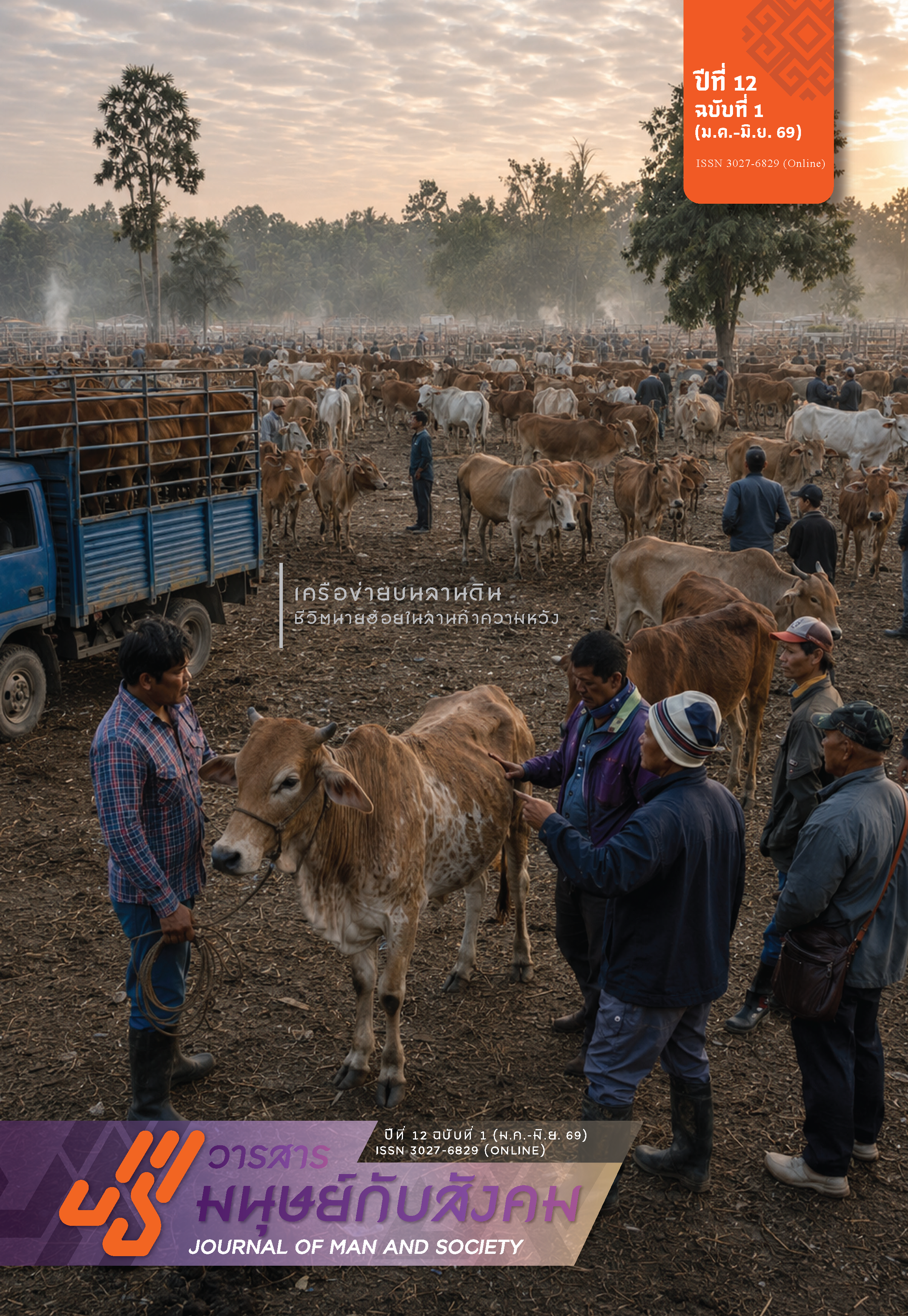
วารสารมนุษย์กับสังคม มีวัตถุประสงค์เพื่อเผยแพร่องค์ความรู้ใหม่และส่งเสริมให้คณาจารย์ นักวิชาการ นักวิจัย นิสิต รวมทั้งผู้สนใจได้เผยแพร่ผลงานวิชาการ ผลงานวิจัยทางด้านมนุษยศาสตร์และสังคมศาสตร์ โดยมีขอบเขตเนื้อหาบทความวิจัยและบทความวิชาการด้านมนุษยศาสตร์และสังคมศาสตร์ (ภาษาไทยและภาษาอังกฤษ) ได้แก่ อักษรศาสตร์และมนุษยศาสตร์ ภาษาและภาษาศาสตร์ ประวัติศาสตร์และปรัชญาแห่งศาสตร์ความรู้การพัฒนา และวัฒนธรรมศึกษา
2026-01-13
ปรับเปลี่ยนผู้ทรงคุณวุฒิพิจารณาบทความ จาก 3 ท่าน เป็น 2 ท่าน
2026-01-13
เรื่อง การเปลี่ยนรูปแบบการระบุตำแหน่งบทความจากเลขหน้าเป็นรหัสบทความ (Article ID) โดยจะเริ่ม ในวารสารปีที่ 12 ฉบับที่ 1 ม.ค. - มิ.ย. 2569 เป็นต้นไป
ปีที่ 12 ฉบับที่ 1 (2026): มกราคม-มิถุนายน 2569
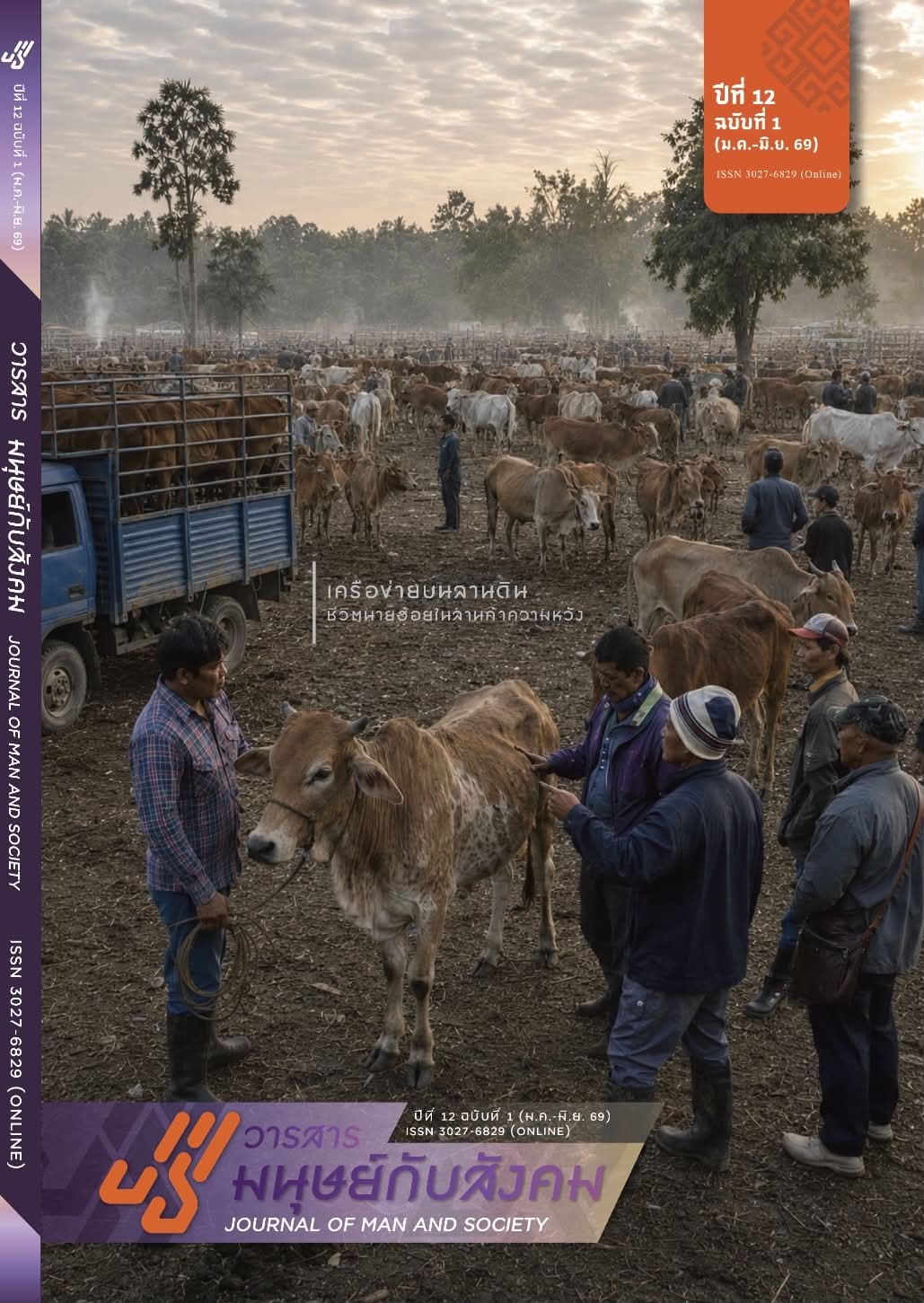
วารสารมนุษย์กับสังคม ปีที่ 12 ฉบับที่ 1 ฉบับนี้ นำเสนอการทำความเข้าใจปรากฏการณ์ทางสังคมที่กำลังเปลี่ยนแปลงภายใต้อิทธิพลของเทคโนโลยีดิจิทัล วัฒนธรรมการบริโภค การสื่อสารออนไลน์ การธำรงอัตลักษณ์ท้องถิ่น และการต่อรองความหมายของผู้คนในชีวิตประจำวัน ในบริบทที่ภาษาและวัฒนธรรมท้องถิ่นกำลังเผชิญแรงกดดันจากภาษาไทยมาตรฐานและสื่อสมัยใหม่ บทความเรื่อง การแปรการใช้ศัพท์ตามกลุ่มอายุของผู้พูดภาษาผู้ไทในอำเภอบ้านดุง จังหวัดอุดรธานี ช่วยให้เห็นพลวัตของภาษาท้องถิ่นผ่านความแตกต่างระหว่างกลุ่มวัย ภาษาในที่นี้จึงมิใช่เพียงเครื่องมือสื่อสาร หากเป็นร่องรอยของความทรงจำ อัตลักษณ์ และการสืบทอดวัฒนธรรมของชุมชน ขณะเดียวกัน บทความด้านสื่อออนไลน์ ได้แก่ ปัจจัยที่มีผลต่อการบริโภคสื่ออินโฟกราฟิกในข่าวออนไลน์ไทย และกลวิธีทางภาษาในการทำนายทางชะตาในไทยรัฐออนไลน์ สะท้อนให้เห็นว่าสื่อดิจิทัลได้เปลี่ยนวิธีที่ผู้คนรับรู้ข่าวสาร ความรู้ ความเชื่อ และความไม่แน่นอนของชีวิต อินโฟกราฟิกกลายเป็นรูปแบบการสื่อสารที่ตอบโจทย์สังคมเร่งรีบ ส่วนการทำนายดวงชะตาในสื่อออนไลน์แสดงให้เห็นว่า ความเชื่อยังคงดำรงอยู่เพียงแต่ปรับรูปแบบให้สอดคล้องกับพื้นที่สื่อร่วมสมัยในมิติของวัฒนธรรมสมัยนิยม บทความเรื่อง ละครคุณธรรมในยุคแพลตฟอร์มดิจิทัล: กรณีศึกษา“กะเทยธรรม” กับเหตุผลของความนิยมในสังคมไทยร่วมสมัย และการวิเคราะห์วาทกรรมเชิงวิพากษ์ในภาพยนตร์เรื่อง “รักหนูมั้ย” ชี้ให้เห็นว่า สื่อบันเทิงมิได้เป็นเพียงความเพลิดเพลินหากเป็นพื้นที่ผลิตและต่อรองคุณค่า ความคิด อุดมการณ์ เพศภาวะ ความสัมพันธ์ และบทเรียนทางสังคม บทความเรื่อง การแต่งกายกับภูมิทัศน์เชิงสัญญะในพื้นที่คาเฟ่: กรณีศึกษาร้านกาแฟ One Step Garden ณ นครเซี่ยงไฮ้ สะท้อนความสัมพันธ์ระหว่างพื้นที่เมือง การบริโภค และการสร้างตัวตนในยุคสื่อสังคมออนไลน์ ขณะที่บทความเรื่อง ภาษาอีสานกับการประกอบสร้างความหมายของ “ความเป็นอีสาน” ผ่านการตั้งชื่อร้านอาหารอีสาน และ ภูมิรัฐศาสตร์ของผี: ความสัมพันธ์กับพื้นที่ศักดิ์สิทธิ์และอำนาจในสังคมอีสานร่วมสมัย แสดงให้เห็นว่าท้องถิ่นมิได้เป็นสิ่งหยุดนิ่ง หากยังถูกสร้างความหมายใหม่ผ่านภาษา อาหาร ความเชื่อ พื้นที่และความสัมพันธ์เชิงอำนาจ ท้ายที่สุด บทความเรื่อง ตำนานสร้างโลกในนิทานพื้นเมืองลาว: การศึกษาตามแนวทางเรื่องเล่าเชิงนิเวศ เปิดมุมมองให้เห็นคุณค่าของเรื่องเล่าพื้นบ้านในฐานะภูมิปัญญาที่เชื่อมโยงมนุษย์กับธรรมชาติ โดยเฉพาะในช่วงเวลาที่สังคมโลกกำลังเผชิญปัญหาสิ่งแวดล้อมอย่างเข้มข้น การศึกษามนุษย์และสังคมยังคงมีความสำคัญต่อการทำความเข้าใจโลกปัจจุบัน เพราะเบื้องหลังความเปลี่ยนแปลงทางเทคโนโลยีและสังคม ล้วนมีภาษา ความเชื่อ เรื่องเล่า สัญญะ พื้นที่ และอัตลักษณ์เป็นกลไกสำคัญในการประกอบสร้างความหมาย บทความทั้ง 9 เรื่องจึงมิได้เพียงนำเสนอองค์ความรู้เฉพาะด้าน หากยังเชื้อเชิญให้ผู้อ่านมองเห็นความซับซ้อนของชีวิตร่วมสมัย และตระหนักถึงคุณค่าของมนุษยศาสตร์และสังคมศาสตร์ในการอธิบาย ทำความเข้าใจ และตั้งคำถามต่อสังคมที่เราดำรงอยู่
ภาคภูมิ หรรนภา
บรรณาธิการ
เผยแพร่แล้ว: 2026-03-29
