CONSTRUCT OF STONE SANCTUARY IN LOWER NORTHEAST THAILAND
Keywords:
Sanctuary, Stone, Lower NortheastAbstract
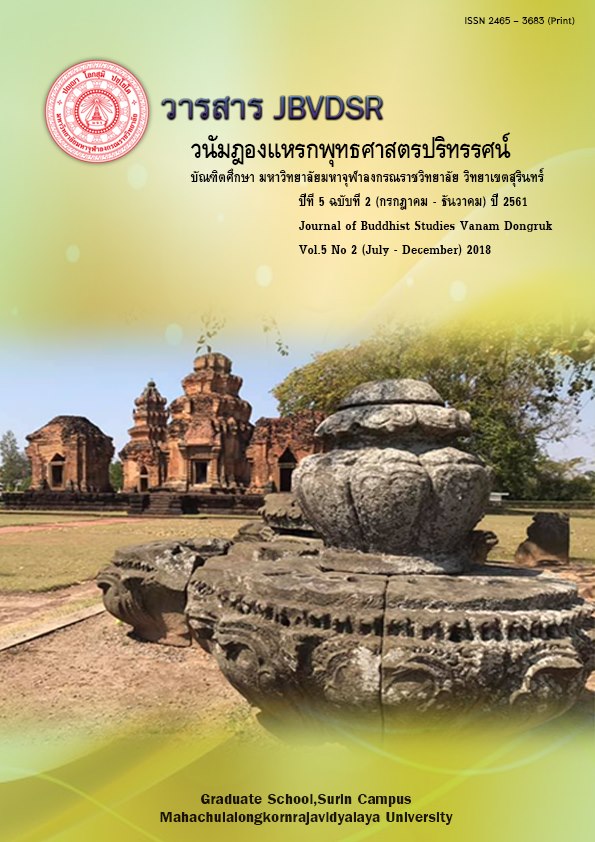
In this work, focused on the concept, meaning and importance, source of stone in the construction of castles, geological data, and current comparisons, by studies from academic papers and field study. The study found that the sanctuary means high-rise buildings, the residence of the gods, and the King. The King in all religions believes that the mountain is the primary place of the gods. The mountain is high and has a peak, so it is made with the top, so the temple is popular with stone or used as the main stone. The early creators of the gods may think that the gods used to be in the mountains. Therefore, bringing the stone from the mountain to create the Deva as a temple. For the Northeast region has one-third of the area in Thailand, and that looks like a plateau which divided into 2 parts: the Korat Plateau and the Phu Phan plateau. From Geological data, there are various stone age ranges. Presenting a perspective on the history of Khmer Castle in the South Isan region. In the northeastern area of Thailand and religious beliefs that are the driving force in the construction of Khmer castles, which is a Khmer culture that has distinguished from the past to the present.
Downloads
References
กรมศิลปากร. กองโบราณคดี. (2530). ปราสาทพนมรุ้ง. พิมพ์เนื่องในวโรกาสที่สมเด็จพระเทพรัตนราชสุดาสยามบรมราชกุมารี เสด็จพระราชดำเนินเป็นองค์ประธาน ในพิธีเปิดอุทยานประวัติศาสตร์พนมรุ้ง บุรีรัมย์.
ไพศาล ตระกูลลี้. (2545). วีรบุรุษนิรนาม. กรุงเทพฯ: โรงพิมพ์พิฆเณศร.
แสงโสม เกษมศรี. ม.ร.ว. และ วิมล พงศ์พิพัฒน์. (2539). ประวัติศาสตร์สมัยรัตนโกสินทร์ รัชกาลที่ 1 – รัชกาลที่ 3. กรุงเทพฯ: โรงพิมพ์สำนักเลขาธิการคณะรัฐมนตรี.